Edible Landscaping for Beginners – Beauty and Function Combined
Most people don’t realise that you can effortlessly blend beauty and practicality in your garden through edible landscaping. This approach allows you to create a visually appealing outdoor space while also providing fresh, nutritious produce. By strategically selecting and arranging plants that are both stunning and edible, you can transform your garden into a productive oasis. As you launch on this journey, you’ll discover how to maximise your space and enjoy the fruits of your labour, all while enhancing the aesthetic charm of your surroundings.
Key Takeaways:
- Edible landscaping integrates fruit, vegetables, and herbs into traditional garden designs, enhancing aesthetic appeal.
- Choosing native plants can promote biodiversity and reduce maintenance while providing edible options.
- Planning for seasonal changes ensures a continuous harvest and visual interest throughout the year.
Benefits of Edible Landscaping
Edible landscaping offers numerous advantages, blending beauty with practicality. You’ll enjoy fresh produce at your doorstep while enhancing your garden’s visual appeal. Additionally, it can increase biodiversity, promote pollinator activity, and reduce grocery bills. For inspiration, check out DIY Edible Plants for Your Landscaping Project. This sustainable approach encourages a connection to food sources and a greener, healthier lifestyle.
Aesthetic Appeal
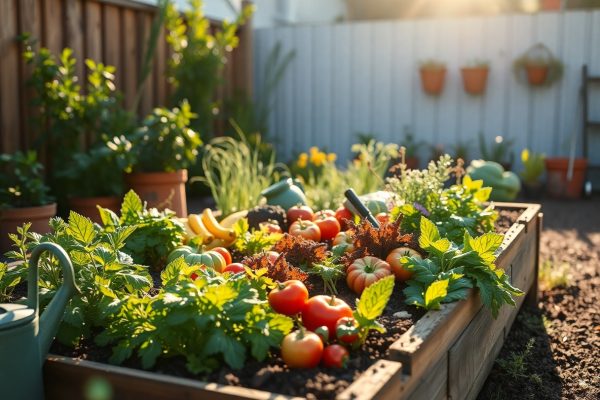
Incorporating edible plants into your landscape adds vibrant colours and unique textures, creating a visually stunning environment. Imagine the beauty of ripening tomatoes nestled among ornamental flowers or the striking foliage of kale contrasting with bright blooms. This interplay not only enhances the beauty of your garden but also showcases the bounty of nature.
Environmental Impact
Edible landscaping contributes positively to the environment by supporting local ecosystems. You can reduce the carbon footprint of your food by growing your own produce, and these gardens often require fewer chemical inputs. The plants you choose can also provide habitat and food for beneficial insects, fostering a more balanced environment.
Moreover, edible landscapes can play a significant role in urban areas by mitigating heat. Plants absorb solar radiation, and a garden can cool surrounding air, reducing the urban heat island effect. By incorporating various native species into your designs, you promote biodiversity, important for ecological resilience. Bear in mind, a well-planned edible landscape not only nourishes you but also nurtures the planet.
Planning Your Edible Landscape
Effective planning sets the foundation for your edible landscape, ensuring both beauty and productivity. Start by mapping out your space, considering sunlight, wind patterns, and accessibility. This initial step helps you make informed decisions about where to place your edible plants for maximum yield and aesthetic appeal.
Assessing Your Space
Begin by evaluating the dimensions and features of your outdoor area. Note the sunlight exposure, existing structures, and soil quality. Understanding these elements helps you determine how to optimise your layout for different plant needs, making the most of what you have.
Choosing the Right Plants
Selecting the right plants is vital for a thriving edible landscape. Consider factors such as climate, soil type, and your personal preferences. Native plants, for example, often require less maintenance and are well-adapted to local conditions, providing better yields with less effort.
In choosing plants, it’s advisable to diversify your selection. Incorporating perennial herbs like rosemary and thyme alongside annuals such as tomatoes and peppers creates a layered aesthetic while ensuring continuous harvests. Companion planting can also enhance growth; marigolds, for instance, deter pests while attracting beneficial insects. Aim for a mix of heights, colours, and textures to ensure your garden is visually appealing throughout the season.
Designing an Edible Garden
Effective design transforms your space into a harmonious blend of aesthetics and practicality. Consider the overall layout by incorporating various plant heights and colours, allowing you to create visual interest while ensuring accessibility for maintenance. Focus on the selection of plants that complement each other and thrive in your local climate. Implementing a thoughtful design approach not only enhances your garden’s beauty but also maximises yield throughout the growing seasons.
Companion Planting
Companion planting is an imperative principle for creating a thriving edible garden. By strategically pairing plants that benefit each other, such as tomatoes with basil or carrots with onions, you can enhance growth, deter pests, and improve flavour. This practise fosters a natural ecosystem, where certain plants provide shelter or nutrients for others, resulting in a more productive and healthier garden.
Layout and Structure
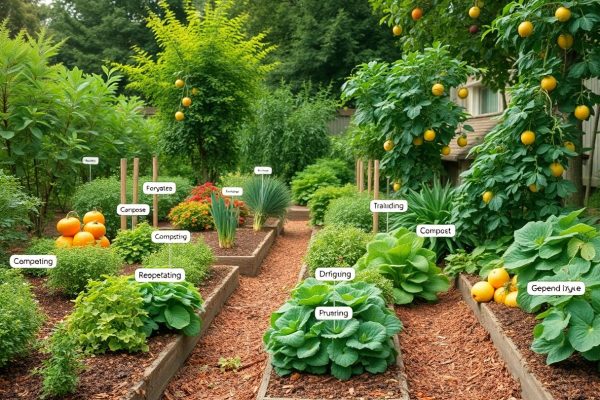
The layout and structure of your edible garden should be both practical and appealing. Utilise raised beds or containers to define spaces, which not only aids in organisation but also improves soil drainage and access. Incorporate pathways for easy navigation and maintenance while ensuring that plants receive adequate sunlight. Vertical gardening techniques, such as trellising, can maximise limited space and add height to your garden design.
Consider implementing a grid layout for orderly spacing, allowing you to optimise plant growth while maintaining aesthetics. Arrange taller plants on the northern side to prevent shading shorter ones, utilising companion planting principles to enhance biodiversity. For a more dynamic look, intersperse edible plants with ornamental species, creating visual interest while retaining functionality. These design strategies not only contribute to an efficient growing environment but also elevate your garden’s overall appeal.
Maintenance of Edible Landscapes
Regular maintenance is vital to ensure your edible landscape thrives, blending aesthetics with functionality. This involves a routine of watering, pruning, and observing plant health. Keeping a close eye on your plants enables you to address any issues early, ensuring a bountiful harvest and sustained beauty in your garden. Scheduling time for maintenance prepares you for seasonal changes and helps establish a healthy ecosystem.
Watering and Irrigation
You should implement a consistent watering schedule to support the growth of your edible plants. Consider using drip irrigation systems, as they deliver moisture directly to the roots, minimising waste. Adjust watering frequency based on the weather, ensuring that your plants receive adequate hydration without the risk of overwatering, which can lead to root rot.
Pest Management
Pest management is vital for maintaining the health of your edible landscape. Effective strategies include companion planting to naturally deter harmful insects and encourage beneficial ones. Introducing beneficial predators, such as ladybirds or lacewings, can also help keep pest populations in check without relying on chemicals.
For a more comprehensive approach to pest management, consider monitoring your garden regularly for signs of infestations. Use physical barriers, like row covers, to prevent pests from reaching your plants. Additionally, you can create homemade remedies, such as neem oil sprays, to combat specific pests without harming beneficial insects. Keeping your garden clean and free of debris reduces hiding spots, aiding in pest prevention and contributing to the overall health of your ecosystem.
Seasonal Considerations
Seasonal considerations are vital for achieving a thriving edible landscape. Each season brings unique opportunities and challenges that can significantly influence your garden’s productivity and visual appeal. By understanding these seasonal changes, you can plan your planting and care activities effectively, ensuring that your garden remains both beautiful and functional throughout the year.
Planting Timelines
To maximise your garden’s yield, adhering to specific planting timelines is vital. Spring is ideal for sowing most vegetables, while late summer is perfect for fall crops. Each plant has its preferred planting time, which can vary based on your local climate, so consulting a regional planting calendar can provide tailored guidance for your edible landscape.
Seasonal Care Tips
Caring for your edible landscape seasonally requires adjustments to your routine. During spring, focus on stimulating growth with adequate watering and fertilisation. In summer, ensure your plants receive enough shade to prevent wilting, while autumn is the time for harvesting and preparing your soil for winter. Completing these tasks helps enhance yield and prepare your garden for the next growing season.
- Keep a close eye on weather fluctuations, adjusting watering and fertilising accordingly.
- Mulching can help retain moisture in hotter months.
- Prune and remove any diseased plants to prevent spread.
- Recognising seasonal changes allows for timely interventions, ensuring optimal growth.
Incorporating seasonal care tips into your gardening routine not only boosts productivity but also contributes to the long-term health of your edible landscape. Regularly checking soil moisture and nutrient levels can guide you in tailoring your care approach. Additionally, using cover crops in the off-season can enhance soil quality while preventing erosion, enriching your garden for future plantings.
- Rotate crops annually to reduce disease and pest buildup.
- Utilise organic mulches to suppress weeds and enhance soil health.
- Monitor plants for signs of pests or disease regularly.
- Recognising the needs of each season allows you to foster a productive, sustainable garden environment.

Resources and Tools for Success
To succeed in your edible landscaping journey, you’ll need to tap into various resources and tools that can enhance your experience and yield. From gardening tools to community support, integrating these elements will facilitate your path toward a flourishing and productive outdoor space. Knowledge, equipment, and a network of fellow enthusiasts will empower you to make educated decisions and inspire creativity in your garden design.
Gardening Tools
Your toolkit is vital for cultivating an effective edible landscape. Basic gardening tools such as hand trowels, pruners, and weeding forks are indispensable. Additionally, consider investing in soil testers and moisture meters to help monitor your garden’s health. A quality pair of gardening gloves will protect your hands, enabling you to work comfortably. As your skills grow, you may wish to explore more specialised tools for specific tasks, enriching your gardening experience.
Community and Online Resources
Engaging with local gardening communities and online platforms can significantly enrich your edible landscaping efforts. These resources provide a wealth of knowledge, sharing tips on plant varieties, pest management, and design inspiration. You may find local gardening clubs or online forums dedicated to edible gardening where you can ask questions, share your progress, and learn from seasoned gardeners. These connections can also lead to seed swaps and plant exchanges, adding variety to your landscape.
Online resources such as gardening blogs, YouTube channels, and social media groups offer invaluable insights from fellow gardeners. Websites like the RHS (Royal Horticultural Society) or YouTube channels dedicated to urban farming frequently cover practical topics, including pest control and seasonal planting guides. Participating in local workshops or online webinars allows you to learn directly from experts, enhancing your skills and confidence in sustainable gardening practices. Connecting with your community fosters a sense of belonging while providing vital support for your edible landscape journey.
Final Words
Presently, engaging in edible landscaping offers you a unique way to merge beauty with functionality in your outdoor space. By selecting a diverse range of plants that are both aesthetically pleasing and produce food, you enhance your garden while cultivating your own produce. This approach not only boosts your curb appeal but also promotes sustainability and self-sufficiency. As you commence on this enriching journey, you’ll discover the joys of nurturing your garden, offering fresh ingredients for your kitchen, and creating a vibrant ecosystem right in your backyard.
FAQ
Q: What is edible landscaping?
A: Edible landscaping is the practice of incorporating food-producing plants into ornamental landscapes. This approach combines beauty and functionality, allowing homeowners to enjoy aesthetically pleasing gardens while also harvesting fruits, vegetables, and herbs.
Q: Can I start edible landscaping in a small space?
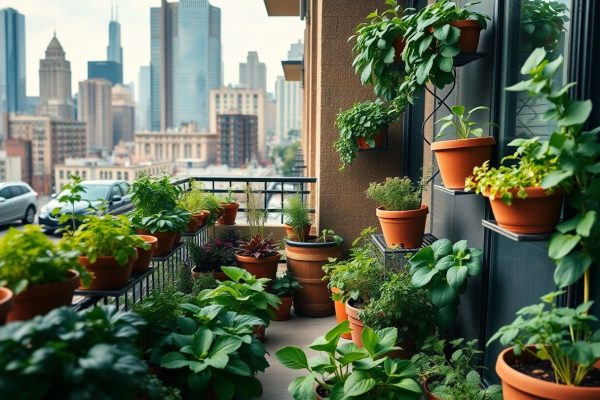
A: Yes, edible landscaping can be successfully implemented in small spaces, such as balconies or small gardens. Vertical gardens, container gardening, and the use of raised beds can maximise space while allowing for a variety of edible plants.
Q: What types of plants are best for beginners in edible landscaping?
A: Beginners should consider easy-to-grow plants such as herbs (like basil and mint), salad greens (like lettuce and spinach), and compact fruiting plants (such as strawberries or dwarf fruit trees). These plants require less maintenance and can thrive in various conditions.
Q: How can I ensure a successful edible landscape?
A: To ensure success, select the right plants for your climate and soil type, plan for adequate sunlight and water, and integrate diverse plant varieties to encourage pollinators and reduce pests. Regular maintenance such as pruning and harvesting is also important.
Q: Are there any aesthetic tips for creating an attractive edible landscape?
A: To create an attractive edible landscape, consider the colour, texture, and height of plants. Mixing ornamental and edible varieties, using decorative containers, and designing pathways can enhance visual appeal while maintaining functionality in the garden.
You may also like