Why Raised Bed Gardening Is Perfect for Beginners
You may find raised bed gardening to be an ideal solution as you commence on your gardening journey. These elevated plots offer better control over soil quality, drainage, and pests, making it easier for you to nurture your plants. With enhanced accessibility, raised beds simplify planting, weeding, and harvesting, minimising physical strain. This gardening style allows you to customise your plots, ensuring they perfectly suit your gardening preferences and available space. By choosing raised beds, you create a more manageable and rewarding gardening experience from the very start.

Key Takeaways:
- Raised beds improve soil drainage and structure, making it easier for new gardeners to cultivate plants.
- They reduce the physical strain of gardening, as the elevated height minimises bending and kneeling.
- Raised beds allow for better pest control and can extend the growing season through improved warmth.
Understanding Raised Bed Gardening
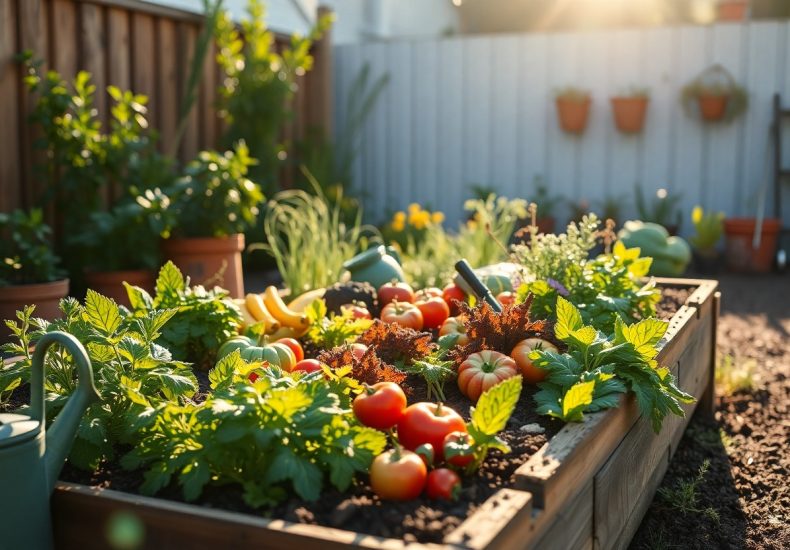
Raised bed gardening offers a structured approach that enhances the overall gardening experience. By elevating the planting area, this method focuses on soil quality, accessibility, and efficient use of space. You can customise the height and size of the beds to suit your preferences, making it easier to manage your plants and maintain a healthy garden.
Definition and Concept
Raised bed gardening involves creating a garden bed that is higher than the surrounding ground level, usually constructed from wood, stone, or other materials. These beds are filled with a quality soil mix, providing a contained environment for your plants. This innovative gardening technique encourages effective drainage, improved soil quality, and maximises plant growth.
Benefits for Beginners
For beginners, raised bed gardening simplifies the process of growing plants. You gain better control over soil conditions, which is vital for healthy growth. The elevation reduces the need for bending and kneeling, making gardening more accessible. Moreover, the defined space limits weed intrusion, allowing you to focus on nurturing your plants without excessive maintenance.
Additionally, raised beds can be tailored to your gardening goals. Whether you want to grow vegetables, herbs, or flowers, you can select specific soil mixes that match your plants’ needs. Studies show that raised beds can increase yields by up to 30 per cent compared to traditional gardens, giving you more abundance in your harvests. They also help in extending the growing season, as the soil warms up quicker in spring, allowing you to plant earlier. This ensures a rewarding gardening experience, even for those just starting on their journey.
Choosing the Right Location
Selecting the ideal location for your raised bed garden is necessary for maximising productivity and enjoyment. Look for a space that receives at least six to eight hours of sunlight daily and is easily accessible for regular maintenance. Take into account any existing trees or structures that may cast shadows, as well as proximity to a water source for watering your plants. The perfect spot will ensure your garden flourishes and remains convenient for your gardening routine.
Sunlight Requirements
Your plants thrive on sunlight, so it’s vital to position your raised beds in an area that captures ample light throughout the day. Most vegetables and fruits need full sun, which means at least six hours of direct sunlight. Observe your chosen area during different times of the day to assess how shadows may move throughout the seasons. Knowing your plants’ needs will aid your selection, leading to a bountiful harvest.
Accessibility and Drainage
Accessibility is key for keeping your raised bed garden low-maintenance. Ensure your garden is easily reachable for regular tasks like planting, watering, and harvesting. Furthermore, consider drainage; a location with adequate drainage will prevent water from pooling around your plants, reducing the risk of root rot and other issues. Ideal spots usually have slightly elevated ground or slopes to facilitate natural drainage, enabling healthy plant growth.
In addition to location, you should assess the soil quality around your garden. Improved drainage can be achieved by building your raised beds a minimum of 30cm high, allowing excess water to escape effectively. If the ground remains consistently soggy, your plants may suffer. If you have limited space, use pathways of gravel or decorative stones to create easy access, while simultaneously encouraging drainage by allowing water to flow freely away from the beds.
Selecting Materials for Raised Beds
Your choice of materials for raised beds influences not only the aesthetics but also the longevity and maintenance of your garden. It’s important to select materials that are durable and safe for growing food. Whether you opt for timber, stone, metal, or even recycled materials, the key is to ensure they are non-toxic and suited to your climate. Additionally, consider the cost and availability of materials, as well as the desired height and style of your raised beds, to create an enjoyable gardening experience.
Common Materials
<p Timber is the most popular option for raised beds, especially untreated cedar or redwood, due to their natural resistance to rot. Alternatively, you might consider composite materials or recycled plastic, offering durability without the environmental impact. Stone and brick provide a sturdy and attractive option, but they can be more labor-intensive. Choose materials that match your aesthetic preferences and budget, while safeguarding your plants' health.
Building Techniques
<p Employing the right building techniques is important for creating stable and effective raised beds. When assembling your bed, ensure the corners are securely fastened and consider using a level to maintain an even surface. It's beneficial to reinforce the sides with metal brackets or screws for added strength. You can also elevate the bed using legs or build it directly at ground level, depending on your gardening goals.
<p For enhanced durability, opt for a frame design that prevents soil from spilling out and minimises weed intrusion. You might also consider adding a weed barrier at the bottom, which can help in soil retention while keeping pests at bay. When stacking layers of materials, such as using logs or straw and incorporating compost, you create a living ecosystem that can improve soil structure and fertility over time. Adopting such techniques can lead to a more sustainable and productive garden, tailored to your preferences.

Soil Selection and Preparation
Your raised bed’s success largely hinges on the soil selection and preparation. Begin with a quality mix that promotes drainage, aeration, and nutrient retention. This approach ensures your plants receive the optimal environment to thrive, making it easier for you to nurture your garden from the outset.
Ideal Soil Mix
An ideal soil mix for raised beds consists of roughly 60% topsoil, 30% organic matter, and 10% aeration material like perlite or vermiculite. This combination promotes good drainage while maintaining moisture, providing a balanced ecosystem for your plants to grow healthy and robust.
Amending Soil for Nutrients
To enhance soil nutrient content, incorporate well-rotted compost, aged manure, or organic fertilisers. This step enriches the soil, supporting plant health and growth, particularly when growing a variety of vegetables and flowers that demand different nutrient levels.
Amending your soil doesn’t just involve adding organic matter; you should also test your soil’s pH and nutrient levels. Using a pH meter or soil test kit can provide insight into deficiencies or imbalances. For instance, adding lime can raise pH for acid-loving plants, while sulphur can decrease it. Incorporating these amendments before planting ensures your raised bed is well-equipped for optimal growth, producing a bountiful harvest that you can take pride in.
Plant Selection for Beginners
Choosing the right plants for your raised bed garden can set you up for success right from the start. Opt for crops that are easy to grow and yield results quickly, such as radishes, lettuce, and herbs. These options require minimal maintenance and provide immediate gratification. For further guidance, check out this Raised Bed Garden from A – Z | What to Know.
Best Crops for Raised Beds
Some of the best crops for raised beds include tomatoes, peppers, and squash. These vegetables thrive in the controlled environment of raised beds, benefiting from improved drainage and soil quality. They also take up less space, allowing you to maximise your harvest in a limited area.
Companion Planting
Companion planting involves growing different plants together for mutual benefits such as pest control, pollination, and optimising space. Certain pairings can deter pests or enhance flavours, making your garden both productive and harmonious.
For beginners, companion planting could become a game changer. For example, planting basil near tomatoes can enhance their growth while also repelling pests. You might also consider putting marigolds in your raised bed, as they deter nematodes and attract beneficial insects. This holistic approach not only improves plant health but also encourages a vibrant garden ecosystem.
Maintenance Tips for Success
To ensure a thriving raised bed garden, regular maintenance is key. Keep your garden healthy and productive by implementing these imperative tips:
- Monitor soil moisture levels
- Apply organic mulch to suppress weeds
- Rotate crops each season
- Fertilise according to plant needs
- Conduct periodic pest inspections
Perceiving the signs of trouble early can save you time and effort.
Watering Strategies
Establish a consistent watering routine to support your plants’ growth. Aim to water deeply but infrequently, encouraging deep root systems. Ideally, check the soil moisture by inserting your finger an inch into the soil; if it feels dry, it’s time to water. Early morning is the best time to hydrate your plants, as this reduces evaporation and fungal diseases.
Pest Management
Implementing effective pest management strategies will protect your garden from unwanted visitors. Use companion planting to deter pests naturally, while attracting beneficial insects that prey on these nuisances. Regularly inspect your plants, and remove any affected leaves or pests by hand to prevent infestations. Organic sprays can also serve as an effective deterrent.
For a more in-depth approach to pest management, consider integrating integrated pest management (IPM) techniques. This method combines biological, cultural, physical, and chemical tools in a way that minimises economic, health, and environmental risks. By identifying pests accurately and understanding their life cycles, you can effectively manage them through preventive measures and targeted interventions, thus preserving your garden’s health without relying heavily on synthetic chemicals.
To wrap up
With these considerations, raised bed gardening emerges as an ideal choice for beginners. You benefit from improved soil quality, better drainage, and easier access, making it a manageable and rewarding endeavour. As you step into gardening, utilising raised beds will not only simplify your tasks but also enhance the growth of your plants. For more insights, check out 3 Reasons Raised Beds Are Better for Gardening.
You may also like