How to Integrate Vegetables into Ornamental Garden Beds
This guide will help you seamlessly blend vegetables into your ornamental garden beds, creating a vibrant and productive landscape. By incorporating edible plants with your flowers and shrubs, you can enhance biodiversity and enjoy a continuous harvest. You’ll discover practical tips on plant selection, layout, and maintenance to ensure your garden remains aesthetically pleasing while providing fresh produce. Embrace the beauty and utility of your outdoor space as you transform it into a multifunctional area that delights the senses and nourishes your body.
Key Takeaways:
- Choose compatible vegetable varieties that complement the aesthetic of ornamental plants.
- Plan layout to ensure adequate sunlight and space for both vegetables and flowers.
- Incorporate edible plants at varying heights for visual interest and effective use of garden space.
Understanding the Benefits of Integrating Vegetables
Integrating vegetables into ornamental garden beds offers multiple benefits that enhance both your gardening experience and the surrounding ecosystem. By blending edible plants with ornamental varieties, you not only broaden the palette of colours and textures but also maximise your garden’s productivity. This approach encourages a more sustainable gardening practice, reduces the need for commercial produce, and can lead to a variety of fresh, home-grown ingredients right at your doorstep.
Aesthetic Appeal
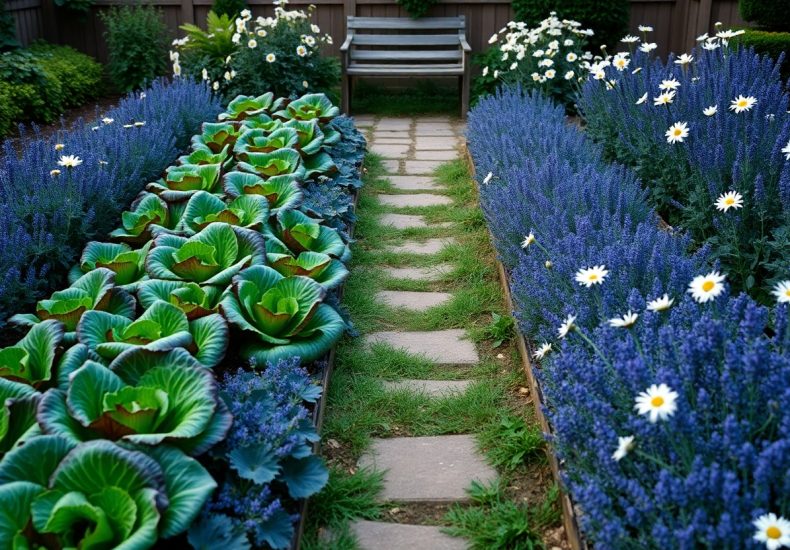
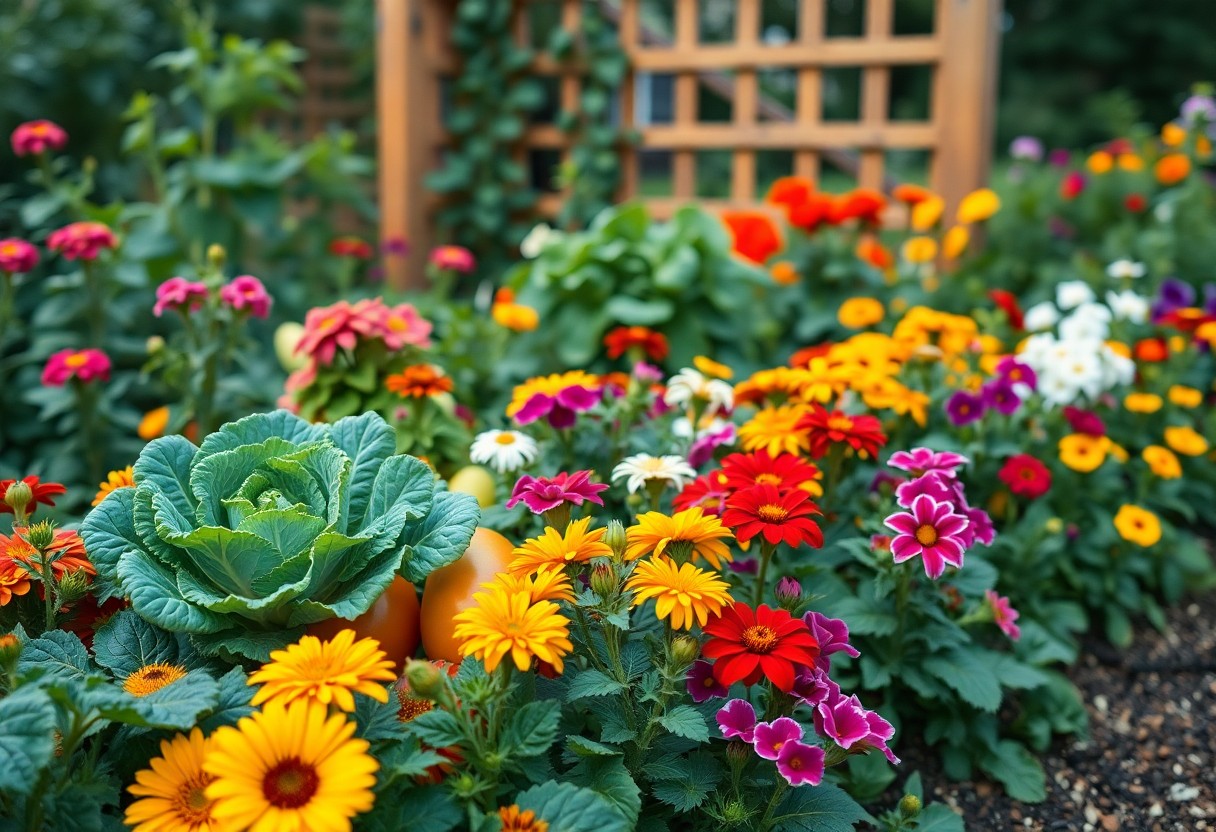
The aesthetic appeal of integrating vegetables into your ornamental garden is undeniable. Varieties such as purple cabbage, bright red tomatoes, and vibrant yellow courgettes can create visual interest that rivals traditional ornamental plants. By selecting vegetables that offer unique shapes and colours, you can craft a beautiful, edible landscape that invites admiration from visitors while still serving a functional purpose.
Increased Biodiversity
Incorporating vegetables into your ornamental garden significantly enhances biodiversity. When you grow a mix of ornamental and edible plants, you create a varied environment that attracts a wider range of beneficial insects, birds, and other local wildlife. This diversity not only improves pollination but also helps to create a balanced ecosystem that can resist pests and diseases more effectively. For instance, companion planting, where certain vegetables and flowers are grown together, can lead to healthier crops and a thriving garden. A thriving ecosystem fosters resilience within your garden, supporting its health and sustainability.
How to Choose Suitable Vegetables for Ornamental Beds
Selecting the right vegetables for your ornamental garden beds requires careful consideration of aesthetics and functionality. Opt for varieties that complement your existing plants, ensuring a harmonious design. For inspiration, check out Foodscaping | How to Create an Edible Landscape.
Factors to Consider
When choosing vegetables, evaluate several factors to ensure a successful integration. Consider the growth habits, colour, texture, and seasonal interest of the plants. Additionally, assess how much sunlight and space your selected vegetables will require.
- Growth habit (tall, bushy, trailing)
- Colour and texture compatibility
- Sunlight and space requirements
- Harvesting time and seasons
Any combination that harmonises with your ornamental design enhances both beauty and productivity.
Recommended Vegetable Varieties
Start with compact, colourful, and productive vegetable varieties that can thrive in ornamental settings. Look at options like colourful Swiss chard, dwarf varieties of tomatoes, and bush beans. These choices not only provide edible benefits but also add visual appeal to your garden.
Consider planting ‘Bright Lights’ Swiss chard for its vibrant stem colours and ease of growth, or ‘Tiny Tim’ tomatoes, which produce small fruits without overwhelming your space. Additionally, intersperse bush beans, as they grow low and offer beautiful green foliage. These vegetables can elevate your garden’s aesthetics while allowing you to enjoy fresh produce throughout the growing season. Each variety plays a role in creating a visually appealing and edible atmosphere in your garden beds.
Tips for Designing an Integrated Garden Bed
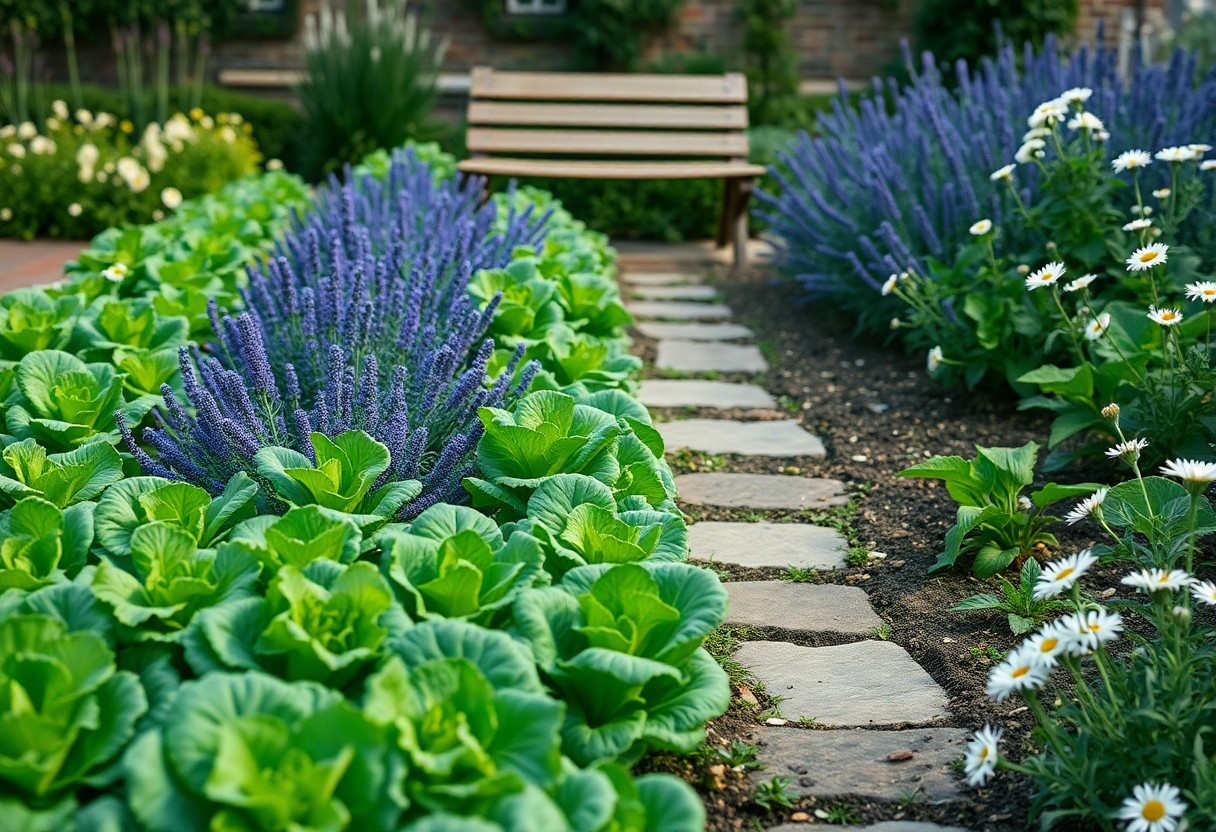
When designing an integrated garden bed, balance aesthetics and functionality. Select a variety of colours, heights, and textures to create visual interest while ensuring optimal growth conditions for your vegetables. Here are some crucial tips:
- Choose complementary plants
- Incorporate vertical elements
- Plan for seasonal changes
- Utilise borders for delineation
Thou should always keep in mind the growth and spread of your chosen plants.
Layout and Spacing
Your layout should maximise sunlight and air circulation while allowing adequate spacing for each plant to thrive. Arrange taller vegetables at the back or centre, with shorter ones at the edges. A spacing of at least 30cm between plants can prevent overcrowding and improve yield, ensuring your garden is both productive and aesthetically pleasing.
Companion Planting Techniques
Companion planting can significantly boost your integrated garden’s success by enhancing growth and deterring pests. Certain plants thrive together, while others may hinder one another. For example, planting marigolds near tomatoes can ward off nematodes, while basil enhances the flavour of tomatoes. Aim for combinations that not only look good but also support each other’s growth.
Companion planting also fosters a natural ecosystem, reducing the need for chemical pesticides. By strategically placing herbs with vegetables, such as pairing carrots with dill, you can create a harmonious environment that attracts beneficial insects like bees and ladybugs. This approach nurtures a diverse garden that enhances both beauty and productivity.
Soil Preparation and Maintenance
Preparing your soil for a mixed ornamental and vegetable garden is foundational for healthy plants. Begin by testing your soil’s pH and nutrient levels, ensuring they align with the needs of both your vegetables and ornamental plants. Incorporate organic matter, such as compost or well-rotted manure, to improve soil structure and fertility. Regularly till the soil to enhance aeration and drainage. For detailed guidance, consult How to design an ornamental vegetable garden.
Soil Requirements for Vegetables and Ornamentals
Vegetables typically prefer loamy, well-drained soils rich in organic matter, while ornamental plants may thrive in a broader range of soil types depending on their specific needs. Aim for a balanced mixture that offers adequate nutrients while still catering to the water retention requirements of both categories. A soil pH of around 6.0 to 7.0 is beneficial for most vegetables and ornamentals. Adjust your soil composition accordingly to create a harmonious environment for all plants.
Fertilization Tips
Implementing a proper fertilisation schedule is important for both vegetables and ornamental plants. Use a balanced fertiliser that provides important nutrients like nitrogen, phosphorus, and potassium. Incorporate slow-release options for long-term feeding and consider organic choices such as fish emulsion or seaweed extract for additional benefits. Feed your plants at the beginning of the growing season, followed by monthly applications during peak growth periods. Recognising nutrient deficiencies early through leaf colour changes can help you intervene promptly.
- Conduct regular soil tests to monitor nutrient levels.
- Utilise mulch to help retain moisture and suppress weeds.
- Apply fertiliser according to plant requirements and growth stages.
- Consider companion planting to naturally enhance soil nutrients.
- Recognising signs of nutrient deficiency will facilitate timely corrective measures.
When choosing fertilisers, tailor your selection based on the specific needs of the plants in your garden. Fertiliser formulations are available for different growth stages; for instance, a high-nitrogen fertiliser may be ideal for leafy vegetables, while flowering ornamentals might benefit from formulations rich in phosphorus. Pay attention to the application rates, as over-fertilisation can harm your plants and negatively affect the overall balance of your garden. Recognising the signs of nutrient excess or deficiency can lead to more effective and sustainable gardening practices.
- Monitor the growth response after fertilisation to adjust future applications.
- Incorporate green manures during off-seasons for added nutrients.
- Rotate fertiliser ingredients annually to prevent nutrient build-up.
- Consult local guidelines on fertilisation strategies specific to your region.
- Recognising that each garden is unique will help you fine-tune your fertilisation approach.
Pest Management Strategies
Effective pest management in your ornamental garden beds incorporates a blend of techniques that safeguard both your plants and the surrounding ecosystem. By employing natural solutions and routine check-ups, you can maintain a thriving garden while minimising harm to beneficial insects and the environment. Integrating various strategies enhances your garden’s resilience and helps you tackle pest issues more effectively.
Natural Pest Control Methods
Utilising natural pest control methods can significantly reduce pest populations without relying on harmful chemicals. Introduce beneficial insects like ladybirds and lacewings to combat aphids or use neem oil as an organic pesticide. Companion planting can also deter pests; for instance, marigolds help to repel nematodes and aphids, providing protection for your vegetables while adding colour to your beds.
Regular Monitoring and Maintenance
Regular monitoring and maintenance are crucial to keep potential pest issues at bay. Conducting weekly inspections of your garden enables you to identify pests early, allowing for prompt intervention. Keeping your garden tidy, with debris cleared and plants properly spaced, discourages pest habitation and promotes a healthy growing environment.
Incorporating routine checks not only helps you spot any early signs of pests but also allows you to assess plant health and growth conditions. Assess your plants for any leaf damage, wilting, or unusual discolouration, which may indicate pest activity. Regularly clearing away fallen leaves and debris minimises hiding places for pests. Additionally, maintaining appropriate watering and fertilisation practices further strengthens plant resilience against infestations, making your garden both attractive and productive.
Seasonal Considerations for Planting
Understanding the seasonal dynamics of your garden is paramount for successful integration of vegetables into ornamental beds. Each season offers unique opportunities and challenges, shaping how and when you should plant. Timing is imperative to ensure that both your vegetables and ornamental plants thrive together, contributing to a vibrant and productive garden throughout the year.
Best Times to Plant
Opt for spring and early summer for planting warm-season vegetables like tomatoes and peppers, while late summer to early autumn is ideal for cool-season varieties such as kale and spinach. Aim to plant after the last frost date for your region to optimise growth, while staggered planting can extend the harvest period. This allows your ornamental and edible plants to flourish harmoniously.
Seasonal Care Tips
Seasonal care is vital to maintain the health of both your ornamental and vegetable plants. Regularly inspect for pests and diseases, ensuring you take immediate action to prevent widespread issues. Adjust your watering regime according to the season; vegetables often require more water in the warmer months, while you should be cautious of overwatering during cooler periods. Feed your plants with appropriate fertilisers to support robust growth.
- Mulch in summer to retain moisture and suppress weeds.
- Prune ornamental plants to allow sunlight to reach vegetables.
- Rotate crops each year to prevent soil depletion and pest cycles.
- Recognising seasonal patterns helps you to plan for future growing cycles.
Furthermore, be mindful of companion planting; certain vegetables can enhance the growth of your ornamental plants. Keep a close eye on your garden during changing seasons, as swift alterations in temperature and precipitation can influence plant health. Incorporate organic matter into your soil to improve its structure and fertility.
- Use companion plants to deter pests naturally.
- Monitor soil moisture levels consistently across seasons.
- Utilise protective coverings during late frosts or harsh weather.
- Recognising the signals from your plants will guide your care practices effectively.
Conclusion
To wrap up, integrating vegetables into your ornamental garden beds enhances both aesthetics and functionality. Choose companion plants that complement each other visually and nutritionally, ensuring you provide ample sunlight and water for all. Arrange your vegetables alongside flowers and shrubs to create a harmonious blend, while also considering their growth habits. Embrace the joy of harvesting fresh produce directly from your garden, all while adding a unique charm to your outdoor space.
You may also like