Creating a Relaxing Garden Retreat
It’s time to transform your outdoor space into a tranquil garden retreat that invites serenity and peace. By thoughtfully selecting plants, furnishings, and features, you can craft a personal escape that reflects your style while promoting relaxation. Whether you have a sprawling lawn or a small balcony, simple changes can create a soothing atmosphere. This guide will provide you with practical tips and inspiring ideas to enhance your garden into a haven of calm and rejuvenation.
Key Takeaways:
- Incorporate comfortable seating and soft textiles to enhance relaxation.
- Select calming plants and soothing water features to create a tranquil atmosphere.
- Utilise natural materials and colours to harmonise with the surrounding environment.
Selecting the Right Location
Choosing the ideal spot for your garden retreat can significantly enhance your overall experience. Look for a location that offers convenience and complements your lifestyle. A space with good accessibility from your home allows you to enjoy it more frequently. Moreover, consider the views and surrounding landscape, as these can greatly influence your sense of relaxation and enjoyment.
Assessing Sunlight and Shade
Your garden retreat should benefit from the perfect balance of sunlight and shade. Observe the area throughout the day to identify how sunlight shifts, ensuring your chosen spot receives the desired exposure. Opt for a location that provides morning sun, enhancing the space’s warmth, while afternoon shade can protect you from the harshest rays during peak hours.
Considering Privacy and Noise Levels
Your sense of tranquillity can be compromised by unwanted noise and a lack of privacy. Identify your space’s boundaries and assess adjacent areas for potential disturbances. Consider incorporating natural barriers, such as hedges or trellises, to create a secluded atmosphere, providing a necessary retreat from external distractions.
To enhance privacy, consider the layout of your garden in relation to neighbouring properties and public pathways. Installing tall plants or walls can effectively deter prying eyes and noise. Additionally, think about using water features, like a small pond or fountain, which can serve a dual purpose of noise reduction while adding aesthetic appeal. Choosing a location away from busy roads or public spaces will significantly impact your relaxation, contributing to a serene environment for your garden retreat.
Choosing Plants for Your Retreat
Selecting the right plants can transform your garden retreat into a serene sanctuary. Focus on varieties that resonate with your desired atmosphere, whether that’s a vibrant display of flowers, lush greenery, or an array of aromatic herbs. Your choices should reflect your personal preferences while considering the climate and soil conditions of your garden space. Mixing textures and colours will create an inviting environment, allowing you to truly unwind.
Low-Maintenance Plants
Opt for low-maintenance plants if you seek a tranquil garden without the burden of excessive upkeep. Varieties such as lavender, succulents, and ornamental grasses thrive with minimal attention, allowing you to bask in their beauty without constant care. These plants are resilient, drought-tolerant, and often attract beneficial wildlife, adding life to your retreat while keeping maintenance to a minimum.
Fragrant and Calming Varieties
Integrating fragrant and calming plants in your retreat elevates the sensory experience of your garden. Consider adding varieties like jasmine, rosemary, and chamomile, which not only provide delightful aromas but also promote relaxation. The soothing scents can reduce stress and create a tranquil ambiance, making your outdoor space a refuge for peace and serenity.
Fragrant plants like lavender and roses possess the ability to conjure feelings of calmness, with studies indicating that certain scents can lower anxiety levels. For instance, jasmine is known for its sweet fragrance that can improve sleep quality, while rosemary’s scent is linked to enhancing memory and clarity. Incorporating these plants not only enhances the aesthetic appeal of your garden retreat but also creates an environment conducive to relaxation and mindfulness, making your space a true haven for rejuvenation.
Designing Relaxation Zones
To cultivate a serene atmosphere in your garden retreat, focus on designing relaxation zones that invite tranquillity. Incorporate elements such as soft pathways and gentle contours to guide you through the space. Consider integrating features like water sources and ornamental plants to enhance the calming effect. Explore 9 Landscaping Ideas for 2025 to Create a Relaxing Retreat that can elevate your outdoor experience significantly.
Comfortable Seating Options
Selecting the right seating is paramount for your comfort and relaxation. Opt for cushioned benches, hammocks, or reclining chairs that allow you to unwind fully amidst nature. Natural materials like wicker or wood not only blend with the garden aesthetic but also offer durability. Position your seating in shaded spots or near fragrant flower beds to amplify sensory enjoyment.
Creating Shade and Shelter
Incorporating shade and shelter enhances the comfort of your garden retreat, allowing you to enjoy the outdoors regardless of the weather. Use pergolas adorned with climbing plants or large umbrellas to provide canopy coverage. Additionally, strategically placed trees can create natural shade, fostering a cool and inviting atmosphere.
Choosing the right type of shelter adds both beauty and functionality to your garden. A pergola not only offers partial shade but can also be adorned with climbing vines, enriching the visual appeal. For full coverage, consider gazebos or wooden arbour structures, which provide a shaded refuge during the hottest days. Weather-resistant fabric drapes can further enhance comfort, creating a more private and intimate area for relaxation. Ultimately, the design should harmonise with your garden aesthetics while offering protection from the sun and elements.
Incorporating Water Features
Integrating water features in your garden can transform it into a serene oasis. These elements not only enhance the aesthetic appeal but also promote relaxation through the soothing sounds of flowing water. To explore practical ideas for incorporating water elements, check out How to Make Your Backyard Feel Like a Retreat.
Benefits of Water Sounds
The gentle sound of water can create a peaceful atmosphere, helping to reduce stress and promote mental clarity. Studies have shown that ambient water sounds can lower blood pressure and enhance relaxation, making your garden a perfect escape. Whether it’s the soft trickle of a fountain or the rhythmic sound of a waterfall, these auditory elements play a vital role in cultivating tranquillity.
Types of Water Features
When considering water features for your garden, there are various options to suit your space and style. From ponds to fountains, each feature has unique characteristics. Here’s a breakdown:
| Ponds | Provide a natural habitat for wildlife and can be enhanced with lilies or koi fish. |
| Fountains | Add elegance and can range from simple to elaborate designs. |
| Waterfalls | Offer a dramatic focal point while creating soothing sounds. |
| Bird Baths | Attract birds, adding life and movement to your garden. |
| Streams | Create a natural flow that mimics nature, especially when combined with rocks. |
- This list encompasses various choices to explore for your garden.
Understanding the types of water features available can guide your selection process. Each offers distinct benefits and aesthetics tailored to your garden’s theme. By mixing and matching, you can create a cohesive and tranquil retreat. Here’s a quick table outlining additional details:
| Size Consideration | Choose a water feature that fits your available space. |
| Maintenance | Determine the level of upkeep you’re prepared for; some features require more care. |
| Wildlife Attraction | Consider how different features will attract various wildlife to your garden. |
| Style | Match the feature to your garden’s overall design for cohesion. |
| Sound Level | Select features that provide the desired sound intensity for relaxation. |
- This should help you understand key elements to consider when incorporating water features.
Adding Personal Touches
To truly make your garden retreat your own, infuse it with personal touches that reflect your style and personality. Consider elements that evoke memories or showcase your interests, such as beloved plants, family heirlooms, or favourite colours. These details create a unique atmosphere that resonates with you, ensuring that your outdoor space feels welcoming and intimate.
Decorative Elements
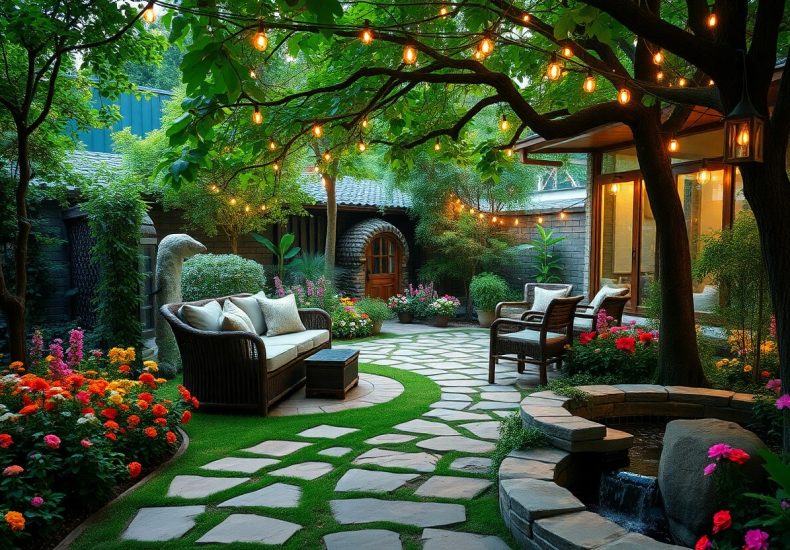
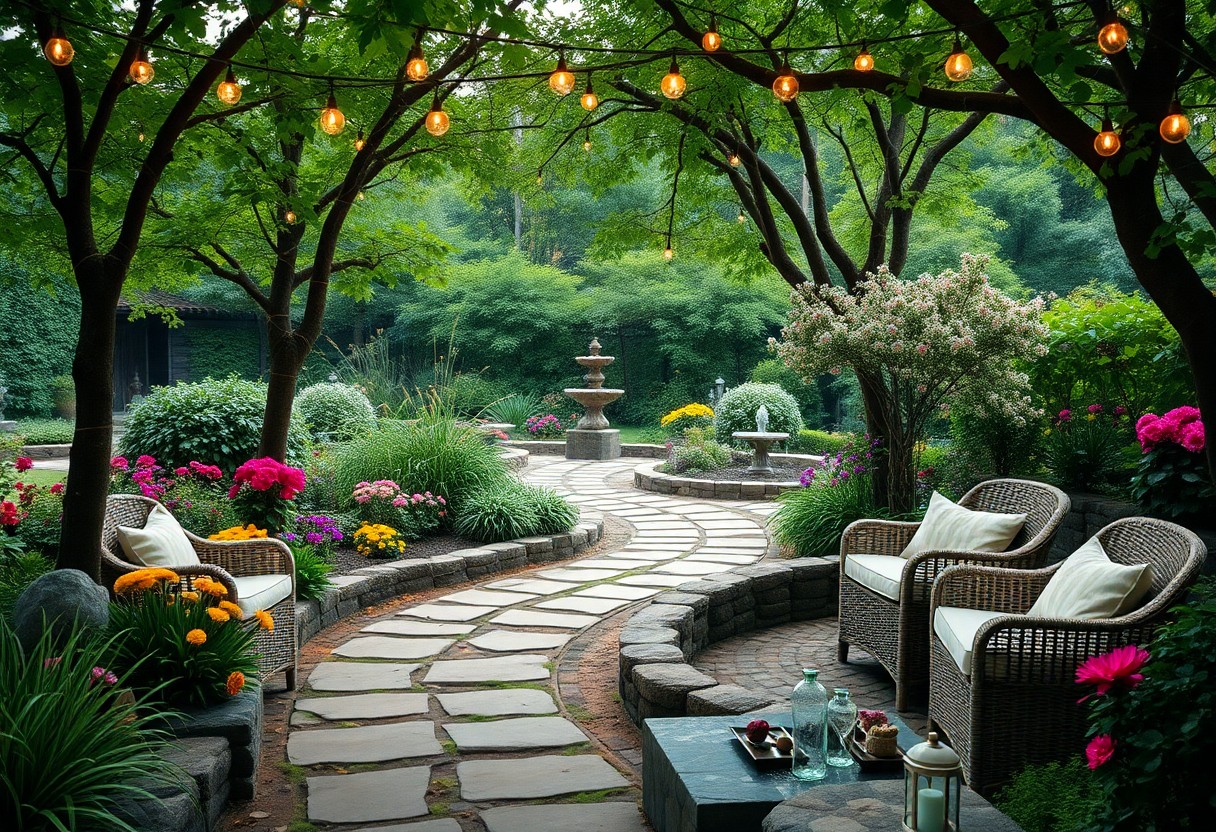
Incorporate decorative elements like fairy lights, wind chimes, or ornamental stones to enhance the tranquillity of your garden retreat. These visual accents can create a calming ambiance, especially in the evening when the soft glow of lights combines with the sounds of nature. Choose pieces that resonate with you personally, ensuring they complement the surrounding environment.
Incorporating Art and Culture
Art and cultural artefacts can add depth and character to your garden space. By selecting items that reflect your heritage or interests, you create a visually engaging experience that tells a story. Think about adding sculptures, painted pots, or mosaic tiles that resonate with the themes of relaxation and natural beauty.
Consider incorporating pieces from local artists or artisans that highlight your community’s cultural richness. This not only supports local talent but also deepens your connection to the space. For instance, a handcrafted bench can serve as a focal point, inviting relaxation while showcasing craftsmanship. When identifying art, balance aesthetics with emotional resonance—choose pieces that spark joy and reflection, transforming your garden into a sanctuary of personal expression and culture.

Maintaining Your Garden Retreat
To keep your garden retreat thriving and inviting, ongoing maintenance is imperative. Routine care not only enhances the aesthetics but also ensures that your chosen plants flourish year-round. Regularly check for pests, prune overgrown plants, and replenish mulch to maintain soil health. A proactive approach will help you cultivate an environment that remains serene and vibrant.
Seasonal Care Tips
Adapting your care techniques according to the seasons can dramatically improve your garden’s health. Spring is ideal for planting and fertilising, while summer calls for regular watering and shade adjustments. Autumn is the time for harvesting and preparing for dormancy, and winter requires protection for delicate species.
- Regularly trim and deadhead flowers in summer.
- Perform soil tests in early spring.
- Apply organic mulch in autumn to maintain moisture.
- Plan for spring blooms during winter.
Perceiving the subtle changes in your garden is key to a flourishing retreat.
Sustainable Gardening Practices
Incorporating sustainable practices not only benefits your garden but also supports the environment. You can reduce water consumption by implementing drip irrigation or rainwater harvesting systems, and using organic fertilisers encourages biodiversity. Companion planting fosters a natural pest control system, allowing your garden to thrive without harmful chemicals.
For sustainable gardening, consider using native plants that require less maintenance and are adapted to local conditions, thereby reducing water usage. Implementing composting practices can return valuable nutrients to the soil, creating a rich food source for your plants. Additionally, encouraging beneficial insects through habitat creation contributes to a balanced ecosystem. By embracing these methods, you’re not only creating beauty in your garden but also actively participating in environmental stewardship.
Summing up
With this in mind, by thoughtfully selecting plants, incorporating comfortable seating, and utilising natural materials, you can create a tranquil garden retreat that offers a perfect escape from daily life. Focus on elements that resonate with your personal style and needs, ensuring that your space promotes relaxation and rejuvenation. By enhancing sensory experiences through colour, texture, and fragrance, you will cultivate an inviting atmosphere where you can unwind and reconnect with nature.
FAQ
Q: What are the key elements of a relaxing garden retreat?
A: The key elements include comfortable seating, soothing water features, fragrant plants, soft lighting, and privacy. Incorporating natural materials like wood and stone can also enhance the calming atmosphere.
Q: How can I choose the right plants for my garden retreat?
A: Select plants that promote tranquillity and relaxation. Consider fragrant herbs, soft-textured foliage, and resilient perennials that suit your climate. Plants like lavender, jasmine, and ferns are excellent choices for a soothing environment.
Q: What types of seating are best for a garden retreat?
A: Opt for comfortable seating such as hammocks, lounge chairs, or benches with cushions. Choose materials that blend with the natural surroundings and offer durability for outdoor use.
Q: How can I incorporate sound into my garden retreat?
A: Introduce sounds of nature through water features like a small fountain or pond. Additionally, consider wind chimes or a gentle sound system that plays ambient music to enhance the serene atmosphere.
Q: What lighting options are suitable for a relaxing garden retreat?
A: Use soft, warm lighting to create a calming ambiance. Fairy lights, solar lanterns, or candles can add charm. Position them strategically to highlight features without overwhelming the space.
You may also like