Garden Design Principles – Creating Beautiful Outdoor Spaces
Just as you curate a room in your home, applying fundamental garden design principles can transform your outdoor space into a stunning retreat. By understanding elements such as layout, balance, and plant selection, you can create a harmonious environment that reflects your personal style and meets your functional needs. Whether you have a small courtyard or a sprawling garden, these principles will guide you in making thoughtful choices to enhance the beauty and usability of your outdoor areas.
Key Takeaways:
- Incorporate elements of balance, proportion, and harmony to create visually appealing layouts.
- Utilise varying textures, colours, and plant heights to enhance depth and interest in the design.
- Keep functionality in mind by ensuring pathways, seating areas, and plant choices meet the needs of the space.
Understanding Garden Design
Effective garden design melds aesthetics with functionality, creating spaces that reflect personal style while serving practical needs. You begin by analysing the available area, considering light, soil quality, and climate, as these factors play a decisive role in your plant choices and layout. Each garden tells a story, and by understanding design principles, you create a cohesive narrative that enhances your outdoor experience.
The Importance of Landscape Planning
Your landscape plan acts as a blueprint, guiding the overall design and ensuring that all elements work harmoniously together. Without proper planning, you risk overcrowding your garden or choosing incompatible plants, which can lead to unbalanced aesthetics and maintenance challenges. By evaluating your space meticulously before planting, you optimise both beauty and functionality.
Elements of Design: Line, Form, and Texture
Lines in garden design create movement, guiding the eye throughout the landscape. Forms refer to the shapes of plants and structures, adding character and presence. Meanwhile, texture enriches the visual appeal, as differing leaf shapes and surface qualities introduce variety. Together, these elements establish the garden’s rhythm and interplay, enhancing its overall impact.
Incorporating line, form, and texture skillfully elevates your garden’s design. For instance, curved lines can soften rigid spaces, promoting a more organic feel, while geometric forms deliver a structured elegance. When you layer various textures, such as the glossy leaves of a choisya alongside the rough bark of a birch tree, you create tactile interest that invites exploration. Consider planting clusters of contrasting forms—like tall spiky plants next to low-lying ground cover—to further engage the senses. Attention to these elements not only transforms your garden into a visual masterpiece but also provides seasonal dynamics as growth and colour evolve over time.
Plant Selection and Layout
Your choice of plants and their arrangement significantly influence the overall aesthetics and health of your garden. Selecting suitable species for your garden involves considering colour, texture, bloom time, and growth habits. A well-considered layout promotes cohesion, allowing plants to thrive in harmony while keeping maintenance manageable. Aim to create layers and pathways that invite exploration, ensuring your outdoor space feels as vibrant as it is welcoming.
Choosing the Right Plants for Your Climate
Select plants that are well-suited to your local climate for the best results. Understanding your hardiness zone can guide you towards species that will flourish in your garden’s specific temperature range, soil type, and moisture levels. When you choose native plants, you’ll find they are often more resilient and require less maintenance, adapting beautifully to your environment and supporting local wildlife.
Planting Techniques and Spacing
Effective planting techniques and adequate spacing are necessary for plant health and garden aesthetics. When planting, consider the mature size of each species to prevent overcrowding, which can lead to competition for nutrients and light. A general rule of thumb is to space plants according to their adult dimensions; for example, perennials may need at least 30-45 cm apart, while larger shrubs may require considerable gaps to ensure proper growth.
Utilising proper planting techniques enhances your garden’s visual appeal and functionality. Dig holes that are twice the width of the root ball for ample space to expand, ensuring roots are not constricted. Position taller plants at the back of borders (or in the centre for island beds) to create layers, allowing shorter species to thrive in sunlight. Consider incorporating groupings of odd numbers to create a sense of balance and movement, while varying heights adds depth to your design. Interspersing perennials with annuals can maintain a continuous bloom throughout the seasons, enriching the garden’s vibrancy.
Color Schemes in the Garden
Integrating a thoughtful colour scheme into your garden can transform its aesthetic and emotional impact. You can create harmony or contrast by selecting plant palettes that align with your vision, whether it’s a vibrant and lively display or a serene and calming environment. Consider the combination of blooms, foliage, and hardscaping materials to achieve depth and visual interest throughout the seasons.
The Psychology of Color
Your choice of colours greatly influences the mood and feelings evoked in your garden space. Warm tones like reds and oranges can energise and motivate, while cool shades such as blues and greens often promote a sense of tranquillity and relaxation. By understanding colour psychology, you can curate an outdoor environment that reflects your desired atmosphere.
Seasonal Color Considerations
Seasonal changes provide an excellent opportunity to refresh your garden’s colour scheme. Choosing plants that bloom at different times ensures your garden remains vibrant year-round. Spring bulbs and summer perennials can be complemented by autumnal foliage and winter evergreens, creating a dynamic visual experience that evolves with the seasons.
When planning for seasonal colour, select a mix of plants that bloom in succession. For example, combine early spring crocuses and daffodils with mid-summer roses and late-autumn asters. Additionally, consider the varying hues of leaves, such as the rich golds and reds of autumn, to maintain visual interest during colder months. Choosing hardy plants with vibrant winter berries or interesting bark textures can also ensure that your garden remains beautiful even in the depth of winter.
Structural Elements in Garden Design
Incorporating structural elements enhances the functionality and visual appeal of your garden, providing a framework that guides the overall design. These elements define spaces, influence movement, and create inviting areas that draw the eye. By integrating features such as paths, walls, and focal points, you can establish a cohesive design that harmonises with nature while reflecting your personal style.
Pathways and Edging
Pathways serve as the arteries of your garden, guiding visitors through various spaces and ensuring accessibility. You can utilise materials such as gravel, stone, or wood to create different effects and textures. Edging, on the other hand, helps define borders and keeps plants in check, with options ranging from brick to natural stone, enhancing both form and function in your outdoor areas.
Focal Points and Garden Features
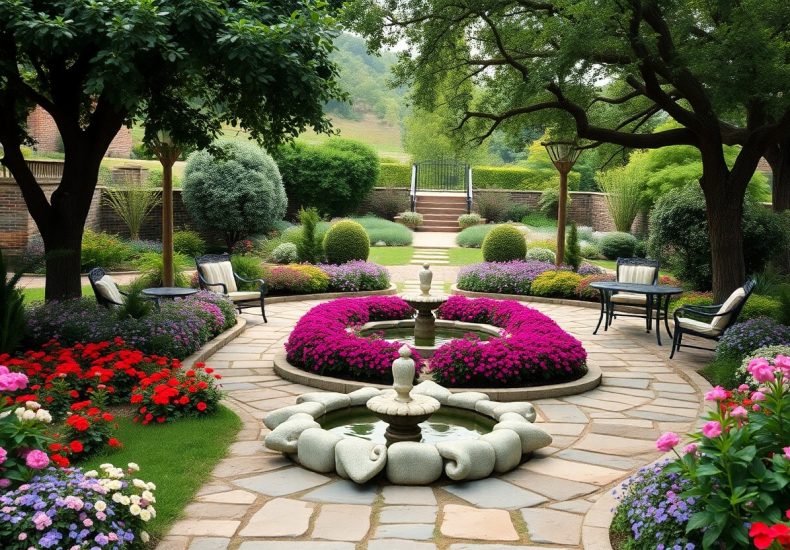
Focal points draw attention and create visual interest within your garden. These might include sculptures, trees, or water features that serve as anchor points in the design. Strategically placing these elements can dictate the flow of movement and invite exploration throughout your outdoor space.
Consider incorporating diverse focal points tailored to the size and style of your garden. A large tree can serve as a natural landmark, while an ornate fountain could become a gathering space. Use contrasting materials, such as smooth stone against rough wood, to heighten interest. Seasonal plants, vibrant flowers, or ambient lighting can further accentuate these features, ensuring your garden remains engaging throughout the year. By thoughtfully selecting and positioning focal points, you create a sense of harmony and purpose in your programme of garden design.
Sustainability in Garden Design
To create a visually stunning yet environmentally conscious outdoor space, sustainability must be at the forefront of your garden design. By choosing native plants, using organic materials, and employing techniques that reduce waste, your garden can thrive while supporting local ecosystems. Integrating sustainability not only enhances the beauty of your garden but also contributes positively to the environment, ensuring that it remains enchanting for future generations.
Eco-Friendly Practices
You can adopt several eco-friendly practices to make your garden sustainable. Using organic compost not only enriches the soil but also reduces reliance on chemical fertilisers. Opting for native and drought-resistant plants minimises water usage and maintenance, while responsibly sourced materials for hardscaping promote environmental stewardship. Implementing these practices helps in fostering a garden that is both beautiful and kind to the planet.
Water Management Strategies
Effective water management strategies are imperative in maintaining a sustainable garden. Implementing techniques such as rainwater harvesting and drip irrigation ensures efficient use of water, reducing waste and promoting healthy plant growth. Using permeable surfaces for patios and pathways also allows rainwater to seep into the ground, replenishing groundwater supplies while preventing erosion.
Rainwater harvesting systems can collect and store up to 60% of the average household’s water usage, dramatically decreasing reliance on municipal supplies. Drip irrigation systems, which deliver water directly to the plant’s roots, can reduce water consumption by up to 50% compared to traditional watering methods. Additionally, mulching your garden beds helps retain soil moisture, reducing the need for frequent watering while suppressing weeds. By employing these strategies, you can create an efficient, water-wise garden that thrives even during dry spells.
Garden Maintenance for Lasting Beauty
Maintaining your garden is crucial to preserving its beauty and functionality over time. Regular care ensures that your plants remain healthy, vibrant, and well-structured. Effective maintenance can prevent common issues such as pests and diseases, while also encouraging an abundance of blooms and lush foliage.
Seasonal Care Tips
Each season brings unique challenges and opportunities for your garden. Adapting your care routine to the changing weather patterns is vital for success.
- Spring: Fertilise and mulch to promote growth.
- Summer: Water deeply but infrequently to encourage root development.
- Autumn: Clear fallen leaves and prepare your garden for winter.
- Winter: Inspect dormant plants and plan for the upcoming season.
Recognising the specific needs of each season will help you optimise your garden’s health and aesthetic appeal.
Pruning and Rejuvenation Techniques
Effective pruning and rejuvenation practices can significantly enhance your garden’s vitality. Pruning should be tailored to each plant type, ensuring you encourage healthy growth while maintaining the desired appearance. For example, you may remove dead or crossing branches in shrubs to allow better airflow and light penetration, and cut back perennials after flowering to stimulate new growth in spring. Techniques like coppicing or pollarding can also rejuvenate older trees and shrubs, promoting fresh shoots and improved flowering.
Understanding the right times to prune is equally important; for instance, late winter or early spring is optimal for most tree species to minimise disease risk. Applying sterilised tools can further protect your plants. Additionally, consider the age and health of your plants—this informs whether a light tidy-up or a more drastic rejuvenation is necessary. Utilising these techniques not only revives your plants but contributes to a more structured and visually appealing garden all year round.
Final Words
With this in mind, effective garden design principles empower you to create beautiful outdoor spaces that reflect your personal style and preferences. By considering elements such as symmetry, colour harmony, and plant selection, you can cultivate a garden that is not only aesthetically pleasing but also functional. Embracing these principles allows you to maximise the potential of your outdoor area, ensuring it serves as a tranquil retreat or a vibrant gathering space for you and your loved ones.
FAQ
Q: What are the fundamental principles of garden design?
A: The fundamental principles of garden design include balance, proportion, unity, rhythm, and focal points. Balance ensures a sense of stability, while proportion relates to the scale of the elements within the space. Unity creates a cohesive look, rhythm guides the eye through the garden, and focal points draw attention to specific features.
Q: How can I create a sense of balance in my garden?
A: To create balance, consider symmetry and asymmetry in your design. Symmetrical designs provide formal balance, often with identical elements on either side of a path. Asymmetrical designs involve different elements that still provide visual balance through careful placement and scale.
Q: What role does colour play in garden design?
A: Colour significantly influences the mood and perception of a garden. Warm colours like reds and yellows tend to stimulate energy, while cool colours such as blues and greens create a calming effect. Combining colours thoughtfully can enhance the overall aesthetic and help guide movement through the space.
Q: How do I incorporate different textures in my garden?
A: Incorporating different textures can add depth and interest. Use a variety of plants with diverse leaf shapes and sizes, such as soft ferns, spiky agaves, and smooth, glossy leaves. Additionally, consider hardscaping materials like wood, stone, and metal to enhance tactile diversity.
Q: What are focal points, and how can I create them?
A: Focal points are specific areas in the garden designed to draw the eye. They can be created using architectural features, standout plants, sculptures, or water features. Positioning these elements strategically within the landscape can create visual interest and serve as anchors in the design.
You may also like