Common Garden Pests – Identification and Control Guide
Just as you nurture your garden, it is necessary to recognise and manage common pests that can undermine your efforts. This guide provides you with the knowledge to identify various garden pests and effective methods for controlling them. By understanding the behaviours and signs of these nuisances, you can take proactive steps to protect your plants and maintain a flourishing garden. Your green space will thrive with the right strategies in place.
Key Takeaways:
- Effective identification of common garden pests is necessary for timely intervention and effective control.
- Organic and chemical control methods should be matched appropriately to the specific pest problem while considering environmental impact.
- Regular monitoring of plants can help prevent pest infestations and minimise damage to garden health.

Types of Common Garden Pests
Identifying the various types of common garden pests is vital for effective management. Understanding their behaviour and lifecycle will enable you to implement the best control strategies. Below are the main categories of garden pests, along with examples for each type:
- Insect Pests
- Diseases caused by organisms
- Weeds
- Rodents
- Birds
After recognising these types, you can tailor your pest management approach accordingly.
| Type of Pest | Examples |
|---|---|
| Insect Pests | Aphids, slugs, caterpillars |
| Disease-causing Organisms | Fungi, bacteria, viruses |
| Weeds | Dandelions, thistles, nettles |
| Rodents | Rats, mice, voles |
| Birds | Birds such as sparrows, pigeons |
Insect Pests
Insect pests are among the most common challenges gardeners face. These include aphids, caterpillars, and slugs, each causing varied degrees of harm. Aphids tend to suck sap from plants, leading to wilting, while caterpillars munch through leaves. Effective control methods include introducing beneficial insects like ladybirds or utilising organic insecticides.
Disease-causing Organisms
Disease-causing organisms significantly impact plant health and yield. Common examples include fungi, bacteria, and viruses, which can wreak havoc on your garden. Early detection is crucial, as these diseases can spread rapidly between plants, leading to extensive damage.
Fungal infections, such as powdery mildew, thrive in humid conditions, while bacterial blight can devastate crops. Understanding the signs of infection allows for timely treatment, typically involving the removal of affected plants and the application of fungicides or bactericides. Additionally, maintaining proper plant spacing and good air circulation can help prevent these issues.
Weeds
Weeds compete with your plants for crucial resources, hindering their growth. Common weeds like dandelions and thistles not only consume nutrients but also can harbour pests and diseases. Regularly removing or controlling these weeds is imperative for maintaining a healthy garden.
Effective weed management strategies include mulching, hand-pulling, and the use of selective herbicides. Implementing these practices can significantly reduce the weed population, allowing your desired plants to flourish without competition. Additionally, establishing a thick ground cover can naturally suppress weed growth by blocking sunlight from reaching the soil.
Identification of Garden Pests
Identifying garden pests is fundamental for effective management. You may encounter various species, from aphids to slugs, each posing unique threats to your plants. Familiarising yourself with their appearance and behaviours aids in swift recognition and action, ultimately protecting your garden’s health. Focus on not just the pests themselves but also the damage they inflict, as some may be more challenging to spot than others.
Visual Identification Tips
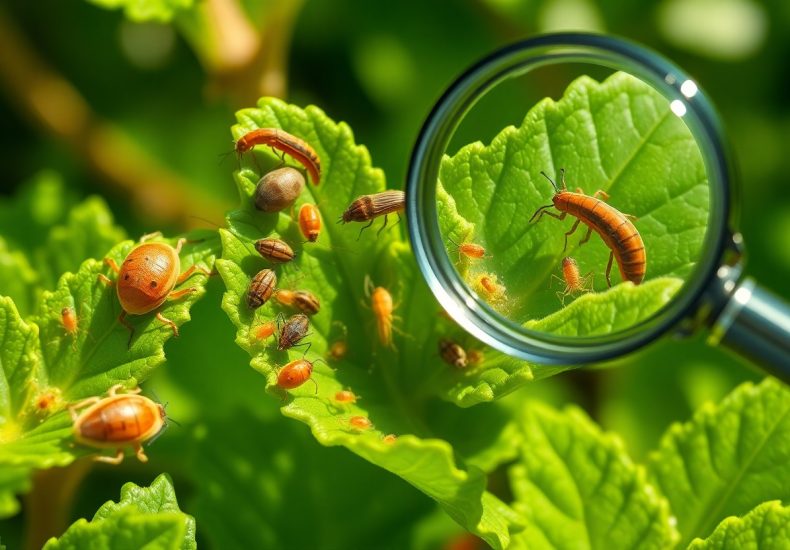
To accurately identify pests, observe their size, shape, and colour. Many pests have distinctive markings, while others may emit a particular scent. Keep a close watch on their movement patterns and feeding behaviours; for instance, caterpillars often munch visibly on leaves, whereas spider mites create fine webbing. Use the following tips for better identification:
- Compare with online resources or guides.
- Use a magnifying glass for small pests.
- Take photographs for later analysis.
- Visit local gardening clubs for shared insights.
- Thou should evaluate pest activity throughout seasons.
Signs of Pest Infestation
Visual cues of pest infestation can significantly ease your identification process. Look for unusual holes or browning on leaves, sticky residues, or droppings. You might also notice wilting plants or stunted growth, indicating that pests are sap-sucking or otherwise impairing your plants. Common examples include white fluffy substances from mealybugs or webbing from spider mites, which signal an active problem.
In addition to visual signs, listen for unusual noises or observe any increased activity during specific times, as certain pests may be more active at dawn or dusk. Regularly inspecting your plants can uncover these issues early, allowing for timely intervention. Establishing a routine check ensures you can respond before infestations escalate, safeguarding your garden’s vitality.
Pest Control Strategies
Effective pest control strategies encompass both preventative measures and active interventions. A combination of cultural, biological, and chemical methods is often the best approach to protect your garden from infestations while promoting a healthy ecosystem. Adapting your practices based on the specific pests in your garden will yield the best results in maintaining plant health and minimising damage.
Organic Control Methods
Organic control methods focus on natural solutions to manage pests without synthetic chemicals. You can utilise beneficial insects like ladybirds and lacewings to prey on aphids, or introduce biopesticides made from natural ingredients, such as neem oil, to eliminate unwanted pests while ensuring the safety of your plants and the environment.
Chemical Control Options
Chemical control options may become necessary when pest populations are overwhelming and organic methods prove insufficient. You can choose from a range of pesticides, including systemic insecticides that are absorbed by plants and contact insecticides that kill pests on contact. Be sure to follow application guidelines carefully to minimise harm to beneficial organisms and reduce chemical residues.
Chemical control options should be considered carefully, as misuse can lead to resistance in pest populations or harm to non-target species. Select specific products based on targeted pests, and consider using insect growth regulators that disrupt pest development. Always consult labels for safety precautions and compatibility with your plants. Regular monitoring after application will help you assess effectiveness and determine if further treatment is necessary, ensuring an integrated pest management approach that aligns with your garden’s needs.
Step-by-Step Guide to Pest Management
| Step | Description |
|---|---|
| Monitoring | Regularly observe your garden for signs of pests and damage. |
| Assessment | Identify the type of pest and its population level. |
| Treatment | Choose an appropriate control method for the identified pest. |
| Evaluation | Monitor the effectiveness of the treatment and adjust as necessary. |
Monitoring and Assessment
To effectively manage pests, begin by regularly inspecting your garden for any signs of infestation, such as discolouration or wilting plants. Using sticky traps can help detect insects like aphids or whiteflies. Once pests are identified, assess their population levels, as this will dictate your management strategy. For example, a small number of caterpillars might be tolerated, but a widespread aphid outbreak demands immediate action.
Treatment Application
Applying the right treatment requires precision and an understanding of the pest’s lifecycle. For instance, insecticidal soap is effective against soft-bodied insects, while neem oil works well against various pests in different growth stages. Ensure you apply treatments during the cooler parts of the day to reduce stress on plants and enhance effectiveness. Always follow the manufacturer’s directions for dosage and application frequency.
When applying treatments, consider your garden’s ecology. Rather than resorting solely to chemical options, integrate biological controls like introducing beneficial insects such as ladybirds that prey on aphids. This holistic approach not only targets pests but also supports the health of your garden’s ecosystem, promoting long-term sustainability. Make sure to re-evaluate your control methods regularly to ensure they meet the needs of both your plants and the environment.
Factors Influencing Pest Issues
Your garden’s susceptibility to pest problems can be influenced by various factors. Understanding these elements will aid in effective management. Key aspects to consider include:
- Environmental conditions
- Plant health and variety
- Soil quality
- Gardening practices
Perceiving these influences allows you to create an environment that deters pests and promotes robust plant health.
Environmental Conditions
The climate in your area plays a significant role in pest dynamics. For instance, warm and humid weather can encourage rapid pest reproduction, leading to infestations. Similarly, prolonged wet periods may foster fungal diseases that attract certain pests. Monitoring local weather patterns can provide insight into when to expect increased pest activity.
Plant Health and Variety
The health and variety of your plants are paramount in pest management. Healthy plants with robust immune systems can resist pest damage more effectively than weakened ones. Additionally, choosing native or pest-resistant plant varieties can reduce infestations. For example, marigolds are known to deter nematodes, while certain herbs can repel aphids. Diversification in plant selection promotes a balanced ecosystem that reduces the likelihood of large-scale pest problems.
Pros and Cons of Pest Control Methods
| Pros | Cons |
|---|---|
| Effective results in eliminating pests | Can harm beneficial insects and wildlife |
| Quick action against infestations | Potential health risks for humans and pets |
| Wide variety of methods available | Some methods require repeated applications |
| Can provide long-lasting solutions | Environmental impact from chemicals |
| Accessibility of products | Costly for specialised treatments |
Benefits of Organic Solutions
Organic pest control methods often prioritise environmental health, utilising natural substances that are less harmful to beneficial organisms and ecosystems. You can harness the power of plants or microorganisms to deter pests effectively without introducing synthetic chemicals into your garden. This approach also supports biodiversity, promotes soil health, and reduces food contamination risk, making it a safer choice for families and pets.
Risks of Chemical Treatments
Chemical treatments can swiftly address pest problems, but they come with significant risks that warrant consideration. You might find that these chemicals not only target pests but also disrupt local ecosystems, harming beneficial insects, pollinators, and the surrounding wildlife. Furthermore, persistent use can lead to chemical resistance in pests, rendering treatments less effective over time.
The potential consequences of chemical treatments extend beyond immediate pest control. Residues may linger in soil and water sources, contributing to long-term environmental contamination. Additionally, overexposure can affect human health, with symptoms ranging from mild irritation to more severe conditions. It’s imperative to weigh these risks against the benefits, ensuring the chosen pest control method aligns with your gardening philosophy and sustainability goals.
Summing up
Drawing together the information on common garden pests, you now have the tools to effectively identify and control these intruders in your garden. By recognising signs of infestation and understanding the behaviour of various pests, you can implement appropriate strategies to protect your plants. Your proactive approach in managing these challenges will not only safeguard your garden’s health but also enhance your gardening experience, ensuring that you can enjoy the fruits of your labour without undue stress from unwanted visitors.
FAQ
Q: What are the most common garden pests to look for?
A: The most common garden pests include aphids, slugs, snails, caterpillars, and whiteflies. Each of these pests can cause various levels of damage to plants and require different control methods.
Q: How can I identify aphids on my plants?
A: Aphids are small, soft-bodied insects often found in clusters on the undersides of leaves. They vary in colour, mostly green, black, or yellow, and can cause wilting and stunted growth in plants.
Q: What effective methods can I use to control slugs in my garden?
A: To control slugs, you can use barriers such as copper tape, set beer traps, or handpick them in the evening. Additionally, encourage natural predators like birds and frogs to help keep their numbers in check.
Q: How can I prevent caterpillars from damaging my vegetables?
A: To prevent caterpillar damage, regularly inspect your plants and remove any eggs or larvae you find. You can also use neem oil or insecticidal soaps as a preventive measure to deter them.
Q: What are some natural predators of whiteflies?
A: Natural predators of whiteflies include ladybirds, lacewings, and parasitic wasps. Introducing these beneficial insects can help reduce whitefly populations in your garden.
You may also like