How to Store Your Garden Gear to Prevent Rust and Damage
Over time, inadequate storage can lead to rust and damage to your garden gear, affecting both performance and longevity. By implementing a few simple strategies, you can ensure that your tools remain in top condition. In this guide, you will learn effective methods for storing your gardening equipment, protecting it from moisture and environmental factors. With the right approach, you’ll maintain your tools for years to come.
Key Takeaways:
- Ensure all tools are clean and dry before storage to reduce moisture that can cause rust.
- Store garden gear in a dry, well-ventilated area, ideally off the ground to minimise exposure to dampness.
- Use protective coatings, such as oil or rust inhibitors, on metal surfaces to further prevent corrosion.
Assessing Your Garden Gear
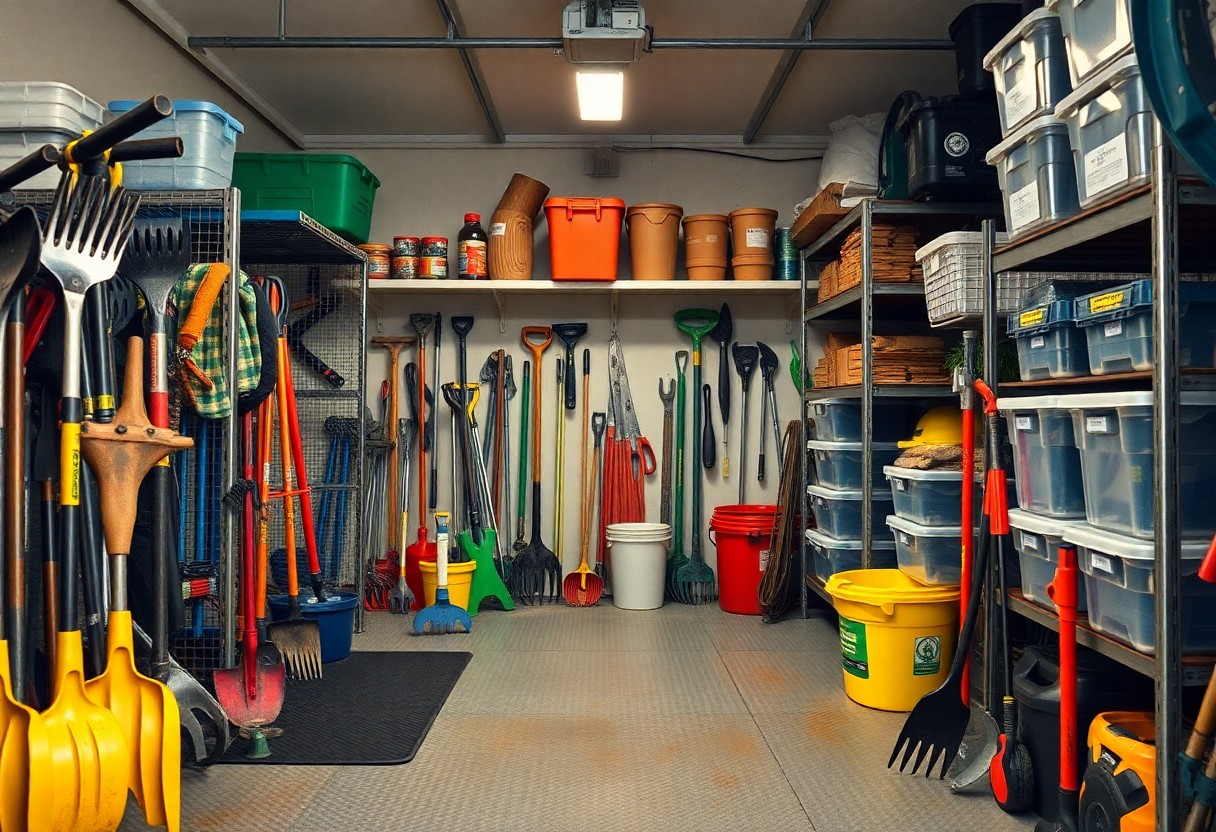
Begin by evaluating your garden tools to identify any signs of wear or potential for rust. Look for nicks, scratches or areas where protective coatings may have worn off. This assessment will inform how you should clean and store each item, ensuring longevity and optimal performance in your garden. Make a list of items that need attention; this will help streamline your storing process and highlight any replacements you may need.
Identifying Rust-Prone Materials
Certain materials are more susceptible to rust than others, with steel and iron tools being the most at risk. Stainless steel offers better resistance, while aluminium and plastic tools are generally rust-free. Familiarising yourself with the composition of your gear allows you to make informed decisions about storage and maintenance practices that can mitigate rust formation over time.
Understanding Weather Conditions
Your local climate plays a significant role in the rusting of garden tools. High humidity and coastal areas present a greater challenge, as moisture in the air accelerates rust development. Cold, damp winters can also contribute to metal deterioration, particularly if tools are left unprotected outdoors. By knowing your environment, you can take preventive measures like using protective coatings and storing tools in suitable conditions.
Understanding Weather Conditions is not just about your garden’s immediate environment; it includes predicting seasonal changes that can affect tool integrity. For instance, during rainy seasons, the accumulation of moisture can lead to rapid rusting, while prolonged exposure to sunlight can degrade plastic components. Knowing when to shelter your tools or apply rust-resistant sprays can save you time and money in the long run. By establishing a routine based on typical weather patterns in your area, you can take proactive steps to protect your gear effectively.
Choosing the Right Storage Location
Selecting the optimal storage location for your garden gear is crucial to mitigate rust and damage. Ideally, you should aim for a space that is dry, cool, and well-ventilated, shielding your tools and equipment from harsh weather conditions. Consider both indoor and outdoor options based on available space and your gardening habits, ensuring that you choose a spot that you can access easily while also protecting your gear from potential environmental hazards.
Indoor vs. Outdoor Storage
Indoor storage is typically more advantageous, as it protects your tools from moisture and extreme temperature fluctuations. However, if space is limited, outdoor storage can be acceptable if adequately sheltered, such as in a shed or using waterproof covers. You’re likely to benefit from indoor storage’s consistent conditions but balancing accessibility and protection is critical in your decision.
Humidity and Temperature Considerations
High humidity can lead to accelerated rusting of metal tools and equipment. Aim to store your garden gear in a location where humidity levels are low and stable. Avoid areas such as basements that naturally retain moisture, and instead, focus on places with good airflow. Ideally, temperatures should remain within a moderate range to prevent condensation that could spawn rust.
| High Humidity | Increases rust risk for metal tools. |
| Low Temperatures | Can cause tools to become brittle. |
| High Temperatures | May warp wooden handles and degrade plastic components. |
Maintaining stable humidity levels is paramount for preserving your garden gear. Consider investing in a hygrometer to monitor environmental conditions. If humidity levels routinely fluctuate, using a dehumidifier can help. Additionally, storing items on shelves rather than directly on the floor can further reduce exposure to moisture, crucial for protecting metal tools and machinery.
| Silica Gel Packs | Place within storage areas to absorb moisture. |
| Ventilation | Enhance airflow with vents or small fans. |
| Heating Options | Use a small heater during colder months to maintain temperature. |
Cleaning and Preparing Your Gear
Before storing your garden gear, it’s imperative to clean and prepare them properly to ensure longevity. Removing dirt, plant matter, and moisture will prevent rust and degradation. Make it a habit to inspect each item for wear or damage, addressing any issues before storage. This proactive approach not only maintains your tools but also enhances your gardening experience when the season resumes.
Essential Cleaning Techniques
Start by rinsing off soil and debris with water, using a stiff brush for stubborn particles. For metal tools, a mixture of vinegar and water can effectively remove surface rust. After scrubbing, dry each item thoroughly to eliminate moisture. It’s wise to pay particular attention to joints and moving parts, where dirt accumulates and can cause damage over time.
Applying Protective Coatings
After cleaning, consider applying protective coatings to your tools. A thin layer of vegetable oil or a commercial rust-inhibiting spray can prevent moisture from causing corrosion. Ensure you apply these coatings evenly, covering all surfaces, especially the edges and joints where rust is likely to start.
For larger tools and machinery, consider using grease or petroleum jelly for even more durable protection. This is especially important for garden equipment that may sit unused for long periods. For instance, a well-applied rust-inhibiting spray can create a barrier, preventing moisture contact for months. Regular applications after cleaning will ensure your investment remains in prime condition, ready for use whenever you need it.
Organising Your Storage Space
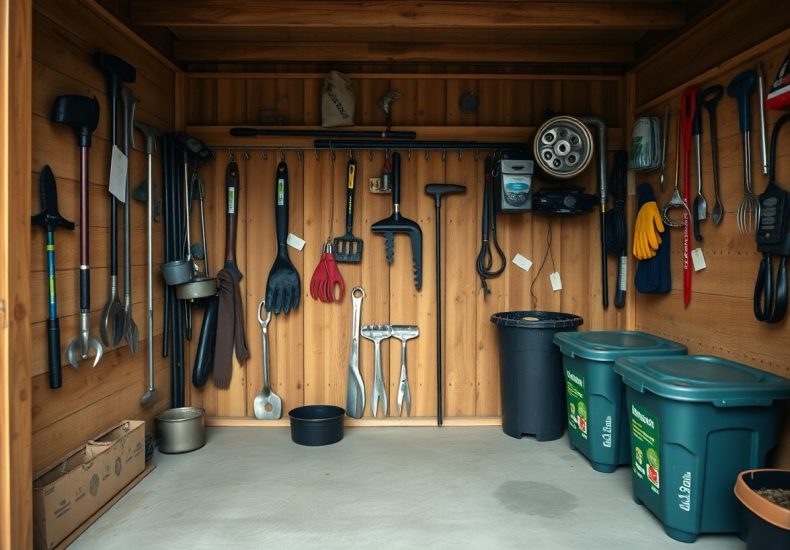
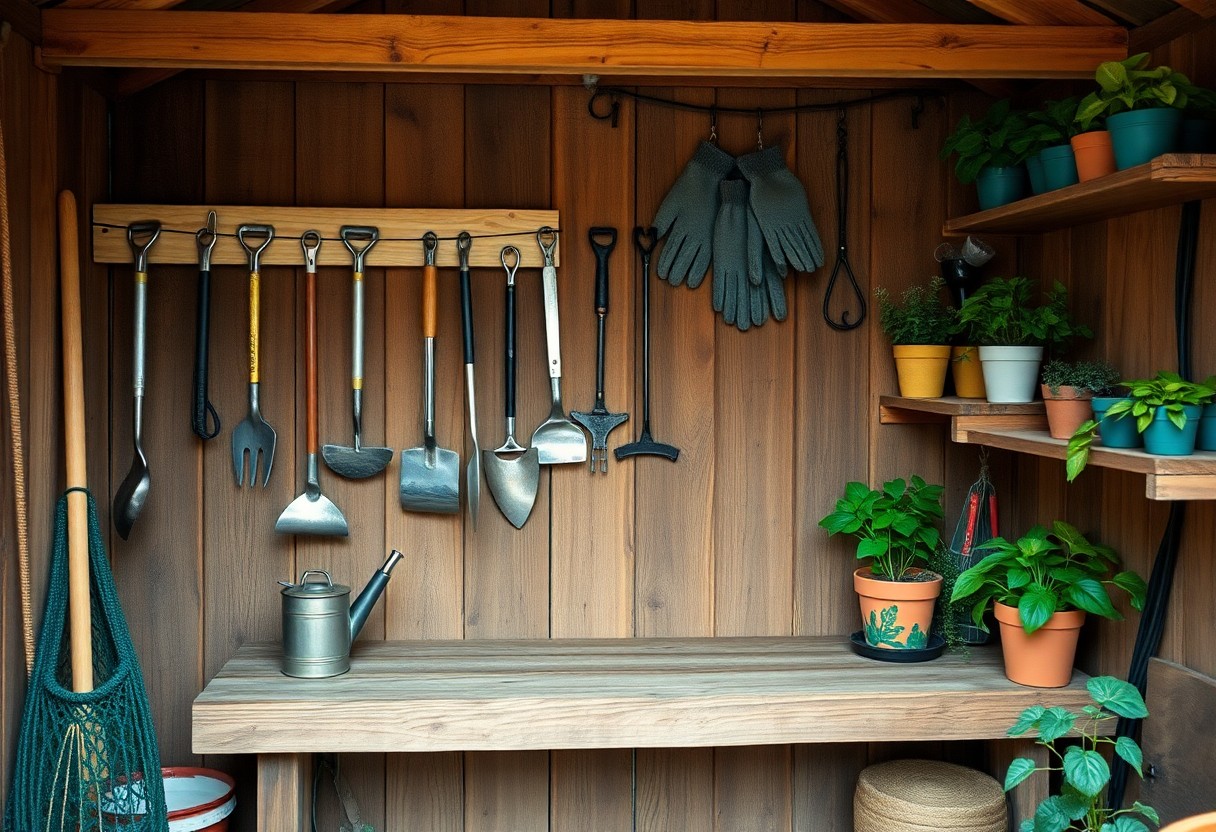
To keep your garden gear in prime condition, organisation is key. Create a designated area for each type of equipment, ensuring easy access and visibility. Use clear labels, bins, and shelving to prevent clutter. Consider utilising a pegboard for tools and adding hooks for items like hoses and ladders. For further guidance on how to store garden equipment and tools | Rust prevention …, explore innovative storage solutions that keep everything tidy and protected.
Storage Solutions for Different Tools
Each garden tool serves a specific purpose, and their storage should reflect this distinction. Use sturdy toolboxes for hand tools, while larger tools like rakes and shovels benefit from vertical storage using wall-mounted racks. Keep smaller items like gloves and seeds in clear plastic containers to prevent moisture ingress. Designating specific storage solutions not only maintains their integrity but also makes your gardening routine far more efficient.
Maximising Vertical Space
Maximising vertical space allows you to utilise every inch of your storage area. By installing shelves and racks, you can store items out of the way, safeguarding them from potential damage. This approach creates a more open area, reducing the risk of accidents and making it easier to locate what you need. Consider vertical wall storage systems that accommodate various tool sizes, freeing up floor space and contributing to a well-organised environment.
Tips for Maintaining Your Gear
To keep your garden gear in prime condition, adopt a routine that includes regular upkeep and care. This includes checking for rust, lubricating moving parts, and ensuring that tools are sharp and ready for use. Additionally, consider the following:
- Store tools appropriately after each use.
- Apply oil to metal surfaces to prevent moisture buildup.
- Use protective covers when storing gear outdoors.
Knowing these practices can save you time and money in the long run, keeping your tools functional and effective.
Regular Inspections and Maintenance
Conducting regular checks of your garden equipment allows you to identify and address deterioration before it escalates. Aim for inspections at the start of each season, where you can clean and examine tools for rust or wear, tightening screws or bolts as necessary. A well-maintained tool not only performs better but lasts significantly longer, providing you with reliable performance throughout the gardening season.
Seasonal Storage Best Practices
Adopting seasonal storage best practices is important for preventing damage to your garden gear. At the end of each gardening season, thoroughly clean your tools to remove soil and debris. Store them in a climate-controlled environment where humidity levels are low, ideally using shelves instead of hanging them, which can trap moisture. Additionally, applying a protective coating to metal parts can shield against the elements.
When preparing for seasonal storage, take extra steps to ensure optimal conditions. For instance, consider using silica gel packets in storage bins to absorb excess moisture or placing tools inside breathable fabric covers rather than plastic, as this prevents condensation. You should also segregate tools by type and frequency of use, making it easier to access them when the new season begins. Ultimately, these practices will enhance the longevity of your gear and maintain their functionality through varying weather conditions.
Common Mistakes to Avoid
When storing your garden gear, avoiding typical pitfalls can save you time and money. For instance, failing to clean tools before storage can lead to rust and degradation. To learn more about how to keep your tools from rusting in an outdoor shed, check out How do you keep tools from rusting in an outdoor shed?
Improper Storage Methods
Utilising inadequate storage solutions can result in inevitable damage to your gear. For example, stacking tools haphazardly or leaving them exposed to moisture can lead to rusting and breakage. Ensure that you use waterproof containers and dedicated shelving to protect your tools effectively.
Neglecting Small Tools
Small tools often receive less attention in storage planning, but neglecting them can lead to significant issues. They are easily lost and can rust if left in damp conditions. Regularly check on them and ensure they are cleaned and stored properly, just like your larger equipment. Ignoring small tools can lead to costly replacements that could otherwise be avoided.
To wrap up
Hence, by implementing proper storage techniques for your garden gear, you ensure its longevity and functionality. Keep your tools clean and dry, use rust-inhibiting coatings where necessary, and store them in a well-ventilated area to minimise moisture accumulation. Organising your equipment in a shed or designated space will also help you swiftly locate items when needed. By taking these steps, you protect your investment and maintain the readiness of your gardening tools for future use.
You may also like