Top Ten Houseplants for Outdoor Spaces
You can enhance your outdoor areas with the right selection of houseplants that not only thrive in outdoor conditions but also add beauty and interest to your space. This guide outlines the top ten plants to consider for your garden, balcony, or patio, ensuring you choose species that suit your climate and lifestyle. From vibrant flowers to lush foliage, discover the ideal plants to elevate your outdoor experience and create a relaxing environment for your enjoyment.
Key Takeaways:
- Consider the specific light and climate conditions of your outdoor space when selecting houseplants.
- Look for resilient plants that can withstand outdoor elements, ensuring longevity and health.
- Incorporate a mix of textures and colours to enhance visual appeal in your outdoor area.

Benefits of Houseplants in Outdoor Spaces
Incorporating houseplants into your outdoor spaces offers a myriad of benefits that enhance both your environment and wellbeing. These plants not only elevate the aesthetic appeal of your garden or patio but also contribute positively to the ecosystem. By choosing the right varieties, you can create a sanctuary that encourages biodiversity, improves air quality, and infuses your space with tranquility.
Aesthetic Appeal
Your outdoor spaces can transform into stunning visual displays through the strategic placement of houseplants. Varieties like ferns, begonias, and trailing ivy create layers of texture and colour, inviting a sense of relaxation. Unique planters and arrangements allow you to express personal style while enhancing the overall design of your garden or balcony.
Environmental Impact
Beyond mere aesthetics, houseplants in outdoor areas play a significant role in promoting environmental health. They absorb carbon dioxide and produce oxygen, thereby improving air quality. Additionally, plants can help regulate temperatures, reduce noise pollution, and attract beneficial insects such as bees and butterflies, which are vital for pollination.
Moreover, studies have shown that urban settings with more greenery can lower surface temperatures by as much as 5°C, combatting the urban heat island effect. With each houseplant you introduce, you contribute to a healthier ecosystem, creating habitats that support wildlife and promote biodiversity. Your choices can lead to cleaner air and a more pleasant outdoor climate, proving that even small adjustments in your outdoor spaces can lead to significant environmental benefits.
Top Ten Houseplants
Your outdoor spaces can be transformed into a lush retreat with the right houseplants. Here, you’ll discover the top ten houseplants perfectly suited for outdoor areas, offering not only beauty but also unique characteristics that enhance your garden or patio. From vibrant foliage to stunning flowers, each selection brings something special to your space.
Fiddle Leaf Fig
The Fiddle Leaf Fig is a striking choice, known for its large, glossy leaves that can create a dramatic focal point. Thriving in bright, indirect light, it can add height and texture to your outdoor area, making it a favourite for plant enthusiasts.
Snake Plant
Snake Plants are resilient and adaptable, thriving in various light conditions and requiring minimal care. Their upright, sword-like leaves can add interest to your outdoor spaces, and they are also known for their air-purifying qualities.
Also known as Sansevieria, the Snake Plant is a fantastic option for beginners. It tolerates neglect and can survive on infrequent watering, making it ideal for busy gardeners. Plus, it offers a modern aesthetic that complements contemporary outdoor decor.
ZZ Plant
The ZZ Plant is another low-maintenance option, with glossy leaves that reflect sunlight beautifully. It thrives in low light and infrequent watering, making it perfect for shaded outdoor areas. Its sturdy nature ensures it can withstand fluctuating weather conditions.
With its unique, architectural form, the ZZ Plant can elevate your outdoor design with minimal effort. Ideal for patios or balconies, its ability to tolerate drought adds to its appeal, allowing you to enjoy greenery without constant upkeep.
Pothos
Pothos is a versatile vine that can decorate your outdoor spaces with trailing foliage, perfect for hanging baskets or climbing structures. This fast-growing plant thrives in a range of light conditions, making it easy to incorporate into various garden styles.
<pWith its beautiful variegated leaves, Pothos offers an attractive option for vertical gardening. Its adaptability allows it to flourish in bright or low light, and it can also help filter air pollutants, enhancing the overall quality of your outdoor environment.
Rubber Plant
The Rubber Plant, with its thick, glossy leaves, adds a lush feel to your outdoor areas. This plant prefers bright, indirect light and can grow quite large, making it a stunning backdrop to your garden layout.
<pKnown for its striking appearance, the Rubber Plant can also improve air quality, making it a functional addition to your outdoor space. It thrives in well-drained soil and should be watered only when the top inch feels dry, making it relatively easy to care for.
Bird of Paradise
The Bird of Paradise boasts exotic, banana-like leaves and can produce striking flowers that resemble tropical birds. This vibrant plant loves full sun and can quickly become a dramatic feature in any outdoor space.
<pIdeal for creating a tropical vibe, the Bird of Paradise requires well-draining soil and regular watering. With its dynamic presence, it can serve as a statement plant, drawing attention and admiration in any garden setting.
Boston Fern
The Boston Fern is cherished for its lush, feathery fronds that cascade beautifully, creating a soft, green texture. It thrives in humid conditions and indirect light, making it an excellent choice for shaded outdoor areas.
<pAs a natural air humidifier, the Boston Fern can enhance your outdoor experience, especially in drier environments. With consistent moisture and a bit of shade, this plant will thrive, providing a soothing, vibrant element to your outdoor oasis.
Bougainvillea
Bougainvillea is a vibrant and hardy plant, renowned for its striking papery bracts that bloom in various colours. It thrives in full sun, making it perfect for bright outdoor gardens and patios.
<pThis climber can transform walls or trellises into a burst of colour, adding an exotic flair to your outdoor space. Bougainvillea is drought-tolerant once established, requiring minimal watering, which makes it an excellent option for easy-care landscaping.
Lavender
Lavender is a perfect addition to your outdoor space, renowned for its delightful fragrance and stunning purple blooms. It attracts pollinators, making it beneficial for your garden ecosystem. This hardy perennial thrives in well-drained soil and full sun, typically requiring minimal care once established. You can use lavender to create a beautiful border or as a focal point in your patio arrangement. For further inspiration on houseplants, check out 14 Stylish San Diego Houseplants.
Succulents
Succulents bring diversity and vibrant colour to outdoor spaces, needing very little water and thriving in sunny locations. These resilient plants store moisture in their leaves, allowing them to withstand dry conditions, which makes them ideal for low-maintenance gardening. You might consider using a variety of shapes and sizes for visual interest, such as the rosette-forming Echeveria or the cascading Sedum. Their unique textures and patterns will enliven your garden while complementing other plants beautifully.
Care Tips for Outdoor Houseplants
Proper care is imperative for outdoor houseplants to thrive. Ensure you choose the right potting mix, provide adequate drainage, and monitor environmental conditions. Regularly inspect your plants for signs of stress and disease, and adjust your care routine accordingly. Consider factors like wind protection and seasonal changes that may affect growth.
- Choose the right potting mix.
- Ensure proper drainage.
- Monitor environmental conditions.
- Inspect plants regularly for signs of stress.
- Adjust care as needed for seasonal changes.
Thou art now equipped to nurture your vibrant outdoor oasis.
Sunlight Requirements
Different plants have varying needs for sunlight exposure, so it’s vital to understand these requirements. Some thrive in full sun, needing at least six hours of direct sunlight daily, while others prefer partial shade. Assess your outdoor space’s light patterns to match your plant selections to their sunlight preferences and ensure they flourish.
Watering Guidelines
Watering outdoor houseplants requires attention to the specific needs of each species as well as environmental factors. Most plants prefer consistent moisture but dislike waterlogged conditions, so it’s best to water deeply and infrequently rather than shallowly and often. Ensure the soil is damp but well-drained to promote healthy root growth.
For effective watering, check the top inch of soil before saturating; if it’s dry, water thoroughly until excess drains out of the bottom. Adjust your schedule according to rain patterns and temperature, as hotter days will necessitate more frequent watering. Using mulch can help retain soil moisture and keep roots cool.
Pest Management
Outdoor houseplants can attract pests like aphids, slugs, and spider mites, so vigilance is crucial. Regular checks on your plants will allow you to spot potential infestations early. Utilising natural remedies, such as neem oil or insecticidal soap, can effectively manage these issues without harmful chemicals.
Introduce beneficial insects, like ladybirds or lacewings, which will help control pest populations in a natural way. Establishing a routine of monitoring plant health and taking action at the first sign of pests will save you significant hassle later, ensuring your outdoor space remains healthy and vibrant.

Seasonal Considerations
Understanding seasonal considerations is necessary for maintaining the health and vibrancy of your outdoor houseplants. Different seasons bring unique challenges and opportunities for growth. Adapting your care routine according to these seasonal shifts ensures your plants thrive throughout the year. From the hot, demanding days of summer to the chill of winter, your approach to plant care is vital for optimal growth and longevity.
Summer Care
In summer, it’s necessary to provide ample water to your outdoor plants, as heat can quickly dry out the soil. Regularly checking moisture levels and ensuring proper drainage can prevent root rot. Increased sunlight exposure requires you to monitor heat-sensitive plants closely, offering partial shade where needed to prevent sun scorch.
Winter Protection
As temperatures drop, protecting your plants from frost and harsh conditions becomes paramount. You should consider moving potted plants indoors or to a sheltered location, using materials such as burlap or frost cloth to insulate vulnerable species. Mulching around the base can also help retain warmth in the soil.
In addition to relocating plants, frequently assess any potential threats that winter weather can pose. For those left outside, ensure they are adequately watered before the first frost, as well-hydrated plants withstand freezing better. If you have non-hardy varieties, consider grouping them together, as plants huddled close can provide mutual protection and retain heat more effectively. Taking these precautions can significantly enhance your plants’ resilience against winter’s bite.
Designing Your Outdoor Space with Houseplants
Incorporating houseplants into your outdoor space can transform your garden into a vibrant oasis. Start by assessing the area’s sunlight, wind, and moisture levels to select the right plants. Strategically positioning greenery around seating areas encourages relaxation and enhances aesthetics. Layering plants of various heights and textures creates depth, while colour-coordinated pots can unify your design. Emphasise pathways with fragrant or flowering species for sensory delight, ensuring that every corner reflects your personal style.
Container Gardening
Container gardening allows you to showcase your houseplants regardless of space limitations. Choose pots that complement your outdoor decor and ensure proper drainage. By mixing different plants, you can create eye-catching arrangements that enjoy the benefits of flexible placement, sunlight optimisation, and seasonal changes. Regularly rotate containers to keep your displays fresh and engaging.
Vertical Gardens
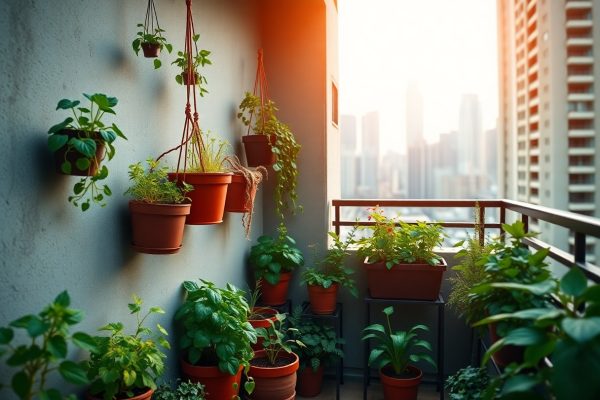
Vertical gardens provide an innovative way to maximise space while adding greenery to your outdoor area. These structures can be as simple as wall-mounted planters or elaborate systems utilising a trellis. Choose plants that thrive in vertical setups, such as climbing vines, herbs, and succulents. This method not only enhances visual interest but also optimises air flow and makes gardening accessible.
Vertical gardens are a practical solution for small spaces, transforming blank walls into lush displays of life. They can be designed using various materials, like wooden pallets or modular planters, allowing for creativity. You can tailor the plant selection based on the amount of sunlight the area receives, opting for sun-loving species like jasmine or shade-tolerant ferns to create a diverse living tapestry. These gardens contribute to improved air quality and can even serve as natural insulation for your home, making them both functional and aesthetically pleasing.
Frequently Asked Questions
What are the best outdoor houseplants for my region?
Your choice largely depends on your local climate. For hot, sunny areas, consider succulents or cacti, while shaded regions might benefit from ferns or hostas. Check local gardening guidelines for more tailored advice, such as those detailed in Houseplants for your outdoor spaces.
How do I protect my houseplants during winter?
Bringing sensitive plants inside or using frost cloths can help, but also ensure they are placed in sheltered areas. It’s often effective to group plants together to create a microclimate that offers additional warmth.
How often should I water my outdoor houseplants?
Watering frequency varies based on plant type, weather conditions, and pot size. Generally, check the top inch of soil; if dry, it’s time to water. In warmer months, daily checks may be necessary, while cooler seasons might require less frequent watering.
Final Words
From above, it’s clear that selecting the right houseplants for your outdoor space can significantly enhance its aesthetic appeal and functionality. By choosing from the top ten houseplants discussed, you can create a vibrant environment that suits your style and meets your needs. Ensure to consider factors such as climate, maintenance requirements, and the amount of sunlight your plants will receive. With the right selection, you can enjoy a thriving outdoor oasis that reflects your personal touch and provides joy throughout the seasons.
FAQ
Q: What are the best houseplants for outdoor spaces?
A: The top ten houseplants for outdoor spaces include Fuchsia, Lavender, Begonia, Geranium, Petunia, Coleus, Heuchera, Ferns, Succulents, and Jasmine. These plants thrive in outdoor conditions while adding beauty and interest to gardens and patios.
Q: How do I care for houseplants placed outside?
A: To care for outdoor houseplants, ensure they receive appropriate sunlight according to their specific needs, water regularly to keep the soil moist but not soggy, and provide adequate drainage. Fertilise periodically and monitor for pests or diseases.
Q: Can all houseplants survive outdoors?
A: Not all houseplants are suitable for outdoor conditions. Many are sensitive to temperature changes and may not survive once exposed to the elements. It’s crucial to choose plants that are hardy and suited for your local climate.
Q: What type of soil is best for houseplants outdoors?
A: A well-draining potting mix is ideal for houseplants outdoors. It should retain moisture while allowing excess water to escape, preventing root rot. Consider adding organic matter or compost to enhance soil quality and fertility.
Q: When is the best time to bring houseplants outdoors?
A: The best time to move houseplants outdoors is during the late spring when the risk of frost has passed. Gradually acclimatising them to the outdoor environment over a week or two helps minimise shock.
You may also like