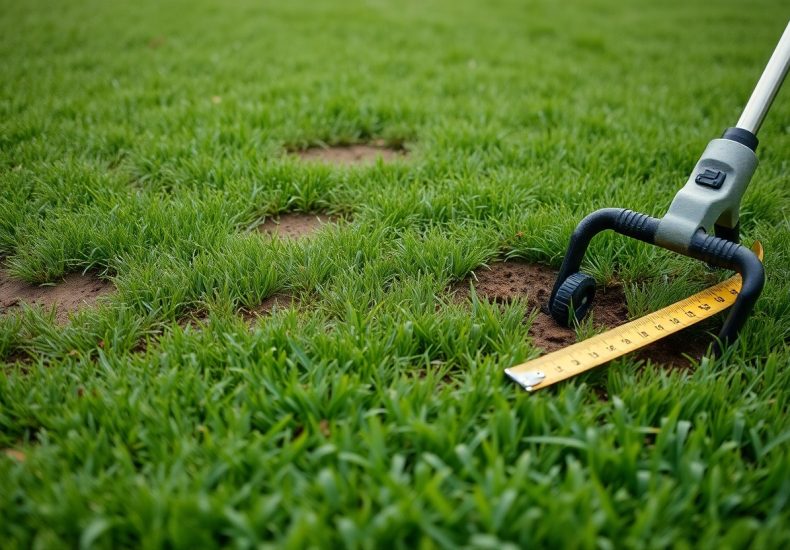
When to Aerate Your Lawn for Maximum Growth
Growth hinges on the right practices, and aerating your lawn is one of the most effective ways to improve its health. By understanding the optimal times to aerate, you can enhance the soil structure, boost nutrient absorption, and promote robust root development in your grass. Typically, you’ll want to aerate during the growing season, either in spring or autumn, depending on your grass type. Knowing when to implement this technique will ensure your lawn remains vibrant and lush all year round.
Key Takeaways:
- Aeration is best performed during the growing seasons of spring and autumn.
- Optimal soil moisture levels enhance the effectiveness of aeration.
- Aerate immediately before fertilising to improve nutrient absorption.
The Importance of Lawn Aeration
Lawn aeration is vital for maintaining a healthy, vibrant lawn. It enhances the penetration of moisture, nutrients, and air deep into the soil, fostering a robust root system. This process alleviates soil compaction, promotes microbial activity, and supports overall grass health. By prioritising aeration, you can cultivate a resilient lawn that thrives through varying weather conditions while mitigating issues such as water runoff and fungal growth.
Benefits of Aeration
Aerating your lawn offers numerous benefits, including improved nutrient uptake, better drainage, and enhanced root development. By creating small holes in the soil, you facilitate air exchange, which is imperative for microbial activity and healthy grass growth. Moreover, aeration reduces thatch build-up, allowing imperative resources to reach the roots more effectively, leading to a lush, vibrant lawn.
Understanding Soil Compaction
Soil compaction occurs when soil particles are pressed together, reducing pore space and hindering root growth. Factors contributing to compaction include foot traffic, heavy machinery, and improper irrigation practices. The consequence is often a dense layer that limits the movement of air, water, and nutrients to your lawn’s roots, ultimately stunting growth and health.
Soil compaction is frequently exacerbated by factors like clay-heavy soils and excessive moisture. When you walk on or drive over your lawn, the soil gets denser, leading to an unfavourable environment for grass. Research indicates that even moderate compaction can impede water infiltration by up to 60%, significantly affecting the overall health of your lawn. Recognising the signs of compaction, such as pooling water or sparse growth, enables you to take proactive steps, including aeration, to remedy the situation.
Signs Your Lawn Needs Aeration
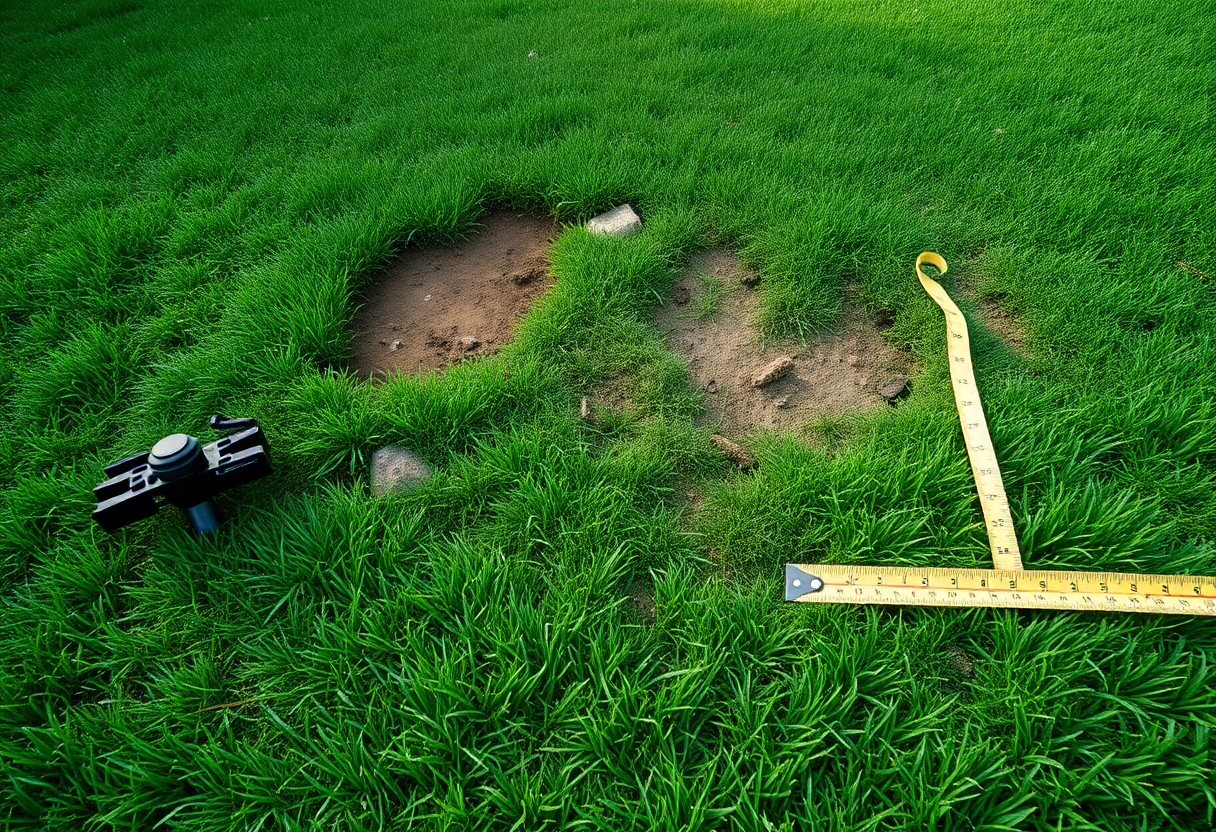
Identifying the signs that your lawn requires aeration can significantly enhance its overall health and growth. Look for symptoms such as dull or thin grass, water pooling on the surface, or compacted soil, all of which indicate compaction issues that hinder root development and nutrient absorption.
Dull or Thin Grass
If your grass appears dull or is thinning out, it’s likely a sign that aeration is necessary. Healthy grass should have vibrant colour and thickness. A lack of these qualities typically points to soil compaction, limiting roots’ access to nutrients and water, necessary for robust growth.
Water Pooling on the Surface
When your lawn shows water pooling after rainfall or watering, it indicates poor drainage, often due to compacted soil. Compaction inhibits water from penetrating the ground effectively, leading to surface runoff instead of absorption.
This pooling not only prevents adequate hydration of the grass but can also create an environment conducive to pests and diseases. Ideally, water should seep into the soil rather than remain stagnant; if you regularly observe puddles, aeration will improve soil structure, allowing water to infiltrate and nourish the roots properly. Enhanced drainage can lead to healthier grass and less water-related issues over time.
Best Times to Aerate Your Lawn
The timing of aeration plays a significant role in the health of your lawn. For most grass types, the best times to aerate are during the growing seasons in spring or autumn. These periods allow the grass to recover quickly and take full advantage of the improved conditions, leading to robust growth and a lush, healthy lawn.
Seasonal Considerations
Aerating your lawn in spring prepares it for the active growing season. Ideally, you should aim for aeration after the last frost to enable quick recovery. Alternatively, autumn aeration can greatly benefit cool-season grasses, allowing them to establish strong root systems before winter dormancy.
Regional Differences
Your specific location heavily influences the timing of aeration. For instance, in northern regions with cool-season grasses, early autumn is optimal. In warmer southern zones with warm-season grasses, late spring or early summer is preferable to ensure the grass thrives post-aeration.
Different regions have distinct climates that dictate grass types and their growth patterns. For example, in the Midwest, transitioning to aeration in late summer can be beneficial for cool-season grasses, while southern states may require aeration between May and June for optimal warm-season grass growth. Understanding your region’s specific environmental conditions will help you choose the best aeration timeframe, ensuring your lawn receives the necessary care it requires to flourish.
Aeration Techniques and Tools
Choosing the right aeration technique and tool can greatly affect the success of your lawn care efforts. Manual and mechanical aerators each have their advantages; for smaller areas, manual tools like spike aerators can be effective, while larger spaces benefit from mechanical aerators that remove plugs of soil. For further insights, explore these 10 Signs It’s Time To Aerate And Seed Your Lawn.
Manual vs. Mechanical Aeration
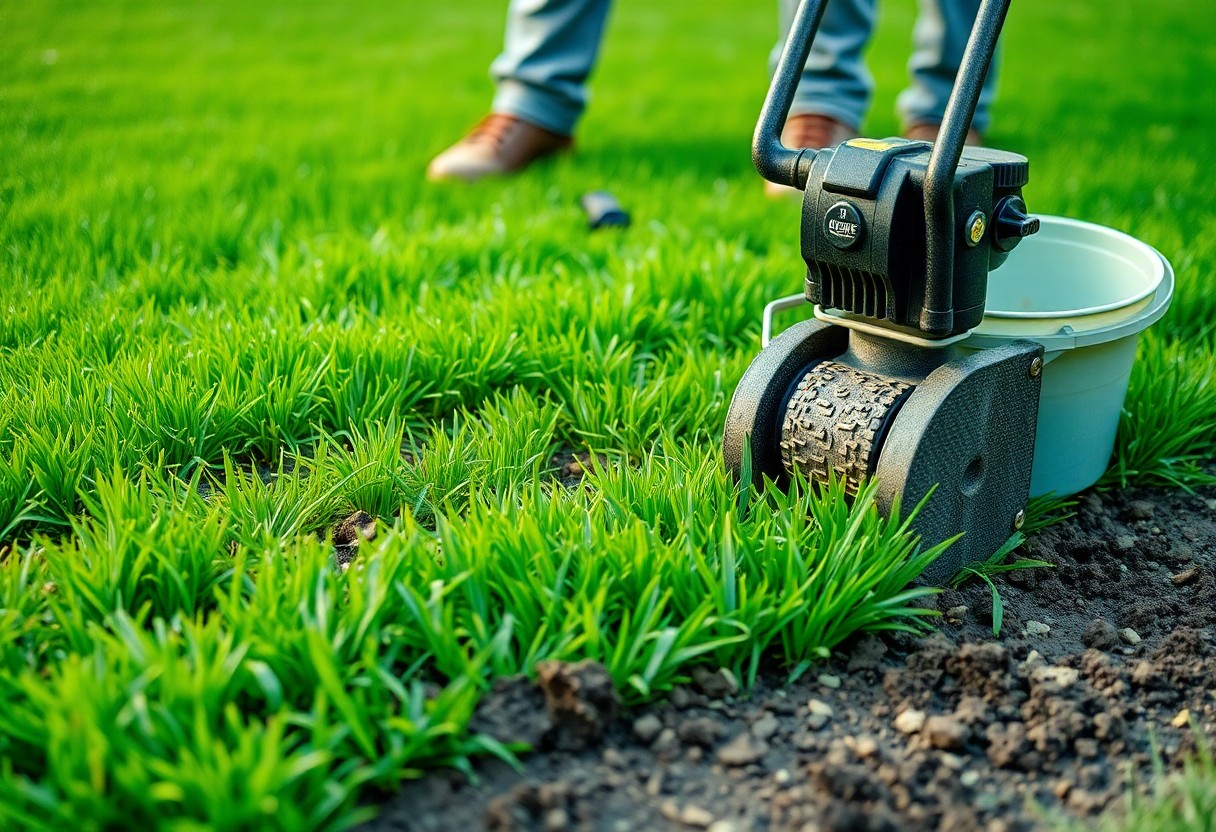
Manual aeration tools, such as hand-held aerators or garden forks, can provide a good workout while ensuring that you control the depth and spacing of holes. This method is suitable for small lawns or patchy areas. Conversely, mechanical aerators, including motorised models, are designed to cover larger areas quickly and effectively, removing soil plugs that contribute to improved drainage and root growth.
Aeration Patterns and Methods
When aerating, the pattern you choose can impact lawn health. Overlapping your passes ensures even coverage, while linear patterns may work well for rectangular lawns. Using a checkerboard pattern can enhance nutrient absorption due to increased airflow. It’s recommended to aerate in two directions to maximise effectiveness, especially in high-traffic areas prone to compaction. Adhere to a pace that allows for optimal plug removal, ideally with around three inches between holes.
Post-Aeration Care
After aeration, your lawn requires careful attention to thrive. Ensuring proper post-aeration care maximises the benefits of the treatment. This includes timely fertilisation, adequate watering, and potentially overseeding. For guidance on aerating, refer to How to Aerate & Dethatch Your Lawn.
Fertilization and Watering
Fertilise within a week of aeration to provide nutrients to your lawn. Applying a slow-release fertiliser helps in steady nutrient release, promoting robust root development. You should water your lawn thoroughly post-aeration, ensuring moisture penetrates deeply into the soil, facilitating nutrient uptake and encouraging new growth.
Overseeding for Enhanced Growth
Overseeding is an effective method to fill in bare patches and improve lawn density. By spreading grass seed after aeration, you allow seeds to penetrate the soil more easily, promoting germination and growth in the open holes created during aeration.
When overseeding, aim to select a grass type that complements your existing lawn. Following aeration, the combination of fresh seed and the aeration holes enhances seed-to-soil contact, significantly increasing sprouting success. For best results, do this during the optimal growing season, which varies depending on your local climate, typically spring or early autumn.
Common Mistakes to Avoid
Aerating your lawn can yield exceptional results, but several errors can undermine your efforts. Failing to recognise the right timing, disregarding soil health, and using inappropriate equipment can all hinder your lawn’s growth. Being aware of these common mistakes will help you maximise the benefits of aeration, ensuring your grass thrives.
Timing Errors
Timing your aeration poorly can significantly diminish its effectiveness. Aerating during periods of drought or extreme heat places unnecessary stress on your lawn. Ideally, you should aim for early spring or autumn when soil conditions are optimal, allowing grass to recover and flourish post-aeration.
Neglecting Soil Health
Your lawn’s success hinges on the quality of its soil. Overlooking soil health can lead to poor aeration results; compacted or nutrient-deficient soil will resist aeration and impede root growth. Regularly testing your soil for pH and nutrient levels will guide you in providing necessary amendments to create a thriving environment for your grass.
Neglecting soil health can manifest in multiple ways, such as ignoring compaction or failing to incorporate organic matter. Soil that is too compacted will not allow the aeration process to achieve its intended goals, ultimately leading to wasted effort. You should regularly assess your soil’s aeration needs and consider adding compost or fertilisers to enhance nutrient availability and improve overall soil structure, which can greatly elevate the efficacy of your aeration routine.
Conclusion
Considering all points, you should aerate your lawn in the spring or autumn when the grass is actively growing. This ensures optimal conditions for the aeration process to enhance root development and nutrient absorption. Pay attention to your lawn’s specific needs, such as soil compaction and water drainage, to determine the best timing. By aerating at the right moment, you promote a healthier, more resilient lawn capable of thriving throughout the seasons.
You may also like