Organic Lawn Care – Ditch Chemicals for a Healthier Yard
Just as you prioritise the health of your family, your yard deserves the same attention. By adopting organic lawn care techniques, you can maintain a vibrant, lush lawn while avoiding harmful chemicals that can affect both your environment and your well-being. Transitioning to organic methods enables you to cultivate a healthier ecosystem, promote biodiversity, and create a safe outdoor space for your family and pets. This guide will equip you with the knowledge to transform your lawn care approach, fostering an eco-friendly and sustainable yard.
Key Takeaways:
- Utilising organic methods promotes soil health and biodiversity.
- Natural alternatives reduce the risk of chemical exposure for family and pets.
- Organic lawn care fosters sustainable gardening practices that benefit the environment.
The Importance of Organic Lawn Care
Transitioning to organic lawn care not only nurtures a lush, green yard but also fosters a healthy ecosystem. By choosing organic methods, you enhance soil fertility, improve water retention and create habitats for beneficial organisms. This approach cuts down on the dependency on synthetic chemicals, ensuring your lawn remains vibrant and sustainable. Embracing organic practices allows you to cultivate a yard that is not only beautiful but also environmentally friendly, significantly reducing pollution and promoting biodiversity.
Benefits for the Environment
Organic lawn care practices contribute positively to the environment by minimising chemical runoff and preserving local waterways. By avoiding synthetic fertilisers and pesticides, you reduce the risk of harmful substances leaching into soil and streams, safeguarding valuable ecosystems. Furthermore, organic methods enhance biodiversity, supporting various wildlife, including pollinators and other beneficial insects. This creates a healthier, more resilient environment for all living organisms.
Health Impacts of Chemical Lawn Treatments
Regular use of chemical lawn treatments poses significant health risks for you and your family. Exposure to these harmful substances has been linked to various health issues, including respiratory problems, skin irritations, and even long-term conditions such as cancer. As these chemicals can remain in your environment for extended periods, their impact is cumulative, raising concerns about the safety of your outdoor spaces.
The health impacts of chemical lawn treatments extend beyond immediate effects. Studies indicate that children playing on treated lawns may be at a higher risk of developing health issues due to their increased exposure to these substances. Furthermore, pets frequently roaming treated areas can also be adversely affected, leading to potential toxicity from grass ingestion. Choosing organic alternatives significantly reduces these risks, promoting a safer space for both humans and animals. By eliminating harmful chemicals, you not only protect your family’s health but also contribute to a cleaner, healthier community.
Understanding Soil Health
Your lawn’s health is intricately linked to the quality of its soil. Healthy soil supports the growth of resilient grass and plants while nurturing beneficial microorganisms. When you focus on soil health, you create a thriving environment that can withstand pests, diseases, and environmental stresses. By fostering a balanced ecosystem beneath the surface, you enable your lawn to flourish naturally, reducing the need for synthetic chemicals.
Soil Composition and Fertility
The composition of your soil directly influences its fertility. A well-balanced mixture of sand, silt, and clay provides the necessary texture for water retention and drainage, while organic matter enhances nutrient availability. Testing your soil’s pH and nutrient levels can reveal deficiencies or excesses, guiding your decisions for optimal lawn care. Healthy soil composition leads to a robust lawn, capable of thriving without chemical inputs.
Natural Amendments for Healthy Soil
Incorporating natural amendments can significantly enhance soil health by restoring nutrients and improving its structure. These amendments, such as compost, manure, and mulch, enrich the soil with organic matter, fostering a vibrant ecosystem for beneficial microorganisms. By using these organic materials, you promote soil fertility, enhance moisture retention, and facilitate healthy grass growth.
The use of natural amendments is necessary for maintaining thriving soil. For example, compost not only adds nutrients but also improves soil structure and promotes microbial life. Incorporating worm castings can boost nitrogen levels, while bone meal provides necessary phosphorous for root development. Regularly applying mulch helps retain moisture and suppress weeds. You can also utilise cover crops, such as clover or rye, to enhance soil quality while preventing erosion. Each of these strategies contributes to a more sustainable, healthy lawn without reliance on harmful chemicals.
Choosing the Right Grass Type
Selecting the appropriate grass type is fundamental for an organic lawn that thrives in your specific environment. Consider factors such as climate, soil type, and sunlight availability to ensure your chosen variety flourishes naturally. For instance, cool-season grasses like fescue work well in northern areas, while warm-season varieties like Bermuda are ideal for southern climates. By making an informed choice, you can cultivate a resilient surface that requires less maintenance and is more susceptible to pests and diseases.
Native Grass Varieties
Opting for native grass varieties can enhance your lawn’s resilience to local pests and diseases while requiring less water and fertilisation. Native grasses, such as fine fescue or blue grama, are well-adapted to your region’s climate and soil conditions. This reduces the need for chemical treatments and promotes biodiversity, creating a harmonious outdoor space that supports local wildlife.
Grass Care and Maintenance
Proper care and maintenance of your grass involve regular mowing, watering, and aeration to sustain health and vitality. Implementing techniques such as deep watering encourages root growth, while seasonal aeration helps alleviate compacted soil, allowing air, water, and nutrients to penetrate effectively. Adjust mowing heights based on the grass type to promote denser growth and discourage weeds.
For a thriving lawn, you should adopt a consistent maintenance routine that aligns with the seasonal needs of your grass type. Mow regularly but avoid cutting more than one-third of the grass height at once, which supports root health and minimizes stress on the plants. You could also establish a composting system to enrich the soil, providing crucial nutrients without synthetic fertilisers. Regularly checking for pests and diseases will allow for prompt action, ensuring the integrity of your organic approach.
Organic Fertilizers and Nutrients
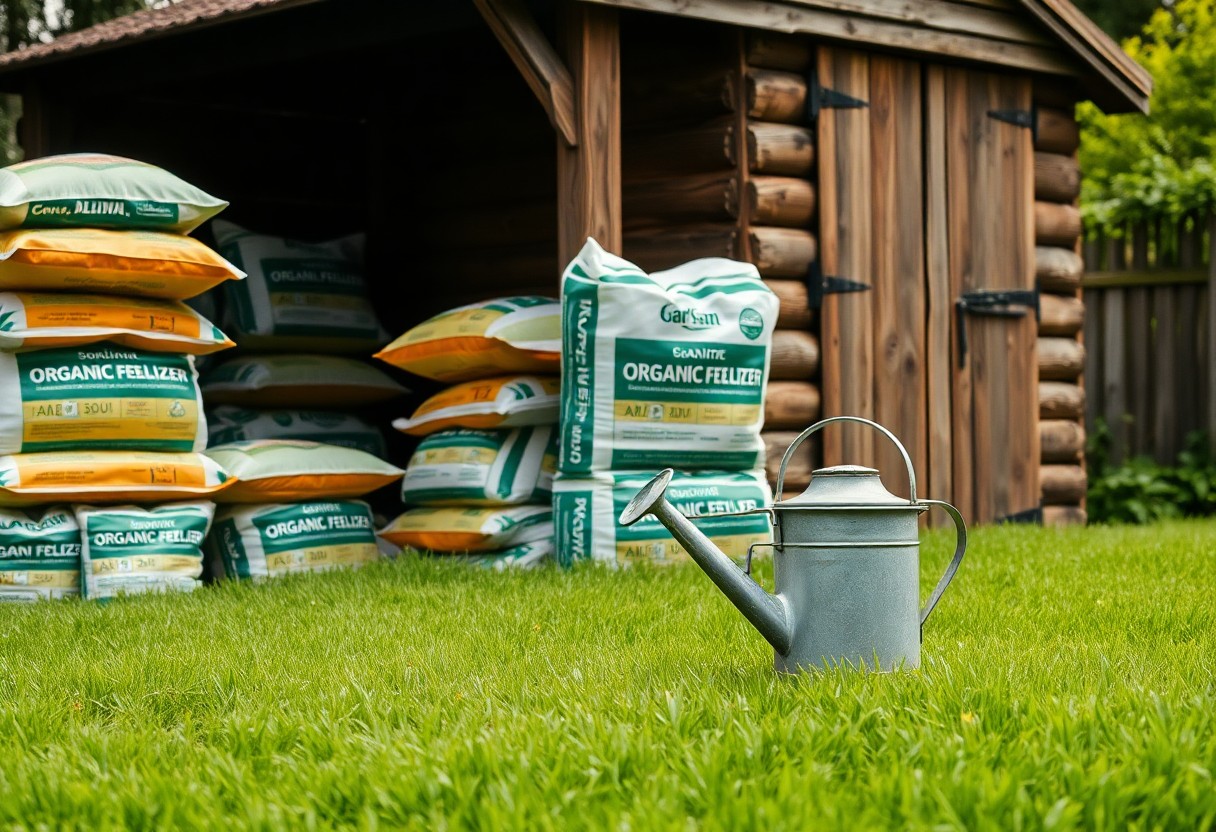
To maintain a thriving organic lawn, you’ll need to focus on providing it with natural fertilisers that enhance soil health and boost nutrient availability. Organic fertilisers improve soil structure, encourage beneficial microbial activity, and supply necessary nutrients to your grass. By using these alternatives to synthetic products, you can foster a sustainable environment that leads to a lush, green lawn without harming the ecosystem.
Types of Organic Fertilizers
Various types of organic fertilisers are available, each with unique benefits for your garden.
- Compost.
- Manure.
- Bone meal.
- Seaweed extract.
- Fish emulsion.
Perceiving the differences in these options will help you select the best fit for your lawn’s needs.
| Type | Benefits |
|---|---|
| Compost | Rich in nutrients and improves soil structure. |
| Manure | Provides nitrogen and enhances microbial activity. |
| Bone meal | High in phosphorus, promoting root development. |
| Seaweed extract | Contains trace minerals and growth hormones. |
| Fish emulsion | Quickly adds nitrogen and is great for foliar feeding. |
How to Apply Organic Fertilizers Effectively
Applying organic fertilisers correctly ensures that your lawn reaps the maximum benefits. Focus on timing, method, and quantity to optimise nutrient uptake. Ideally, apply fertilisers in early spring and autumn when your grass is actively growing, to align feeding with its peak nutrient demands.
To improve application efficacy, spread the fertiliser evenly using a hand or broadcast spreader, ensuring all areas of your lawn receive a consistent dosage. Incorporate a light watering after application to help nutrients penetrate the soil. Adjust the amount based on grass type and soil conditions, using recommended guidelines for best results. Timing and consistency will allow your lawn to flourish organically and resist pests and diseases more effectively.
Pest and Weed Management
Managing pests and weeds organically requires a proactive approach. This includes fostering a diverse ecosystem in your garden, where beneficial insects and natural predators can thrive. By implementing strategies like companion planting and introducing beneficial nematodes, you can effectively deter unwanted pests while promoting a healthy environment for your plants. For a deeper understanding of maintaining your lawn without chemicals, explore Organic Lawn Care: The Pros & Cons Of A Chemical Free ….
Natural Pest Control Methods
To keep pests at bay, consider using natural pest control methods such as neem oil, garlic spray, or insecticidal soap. These treatments can effectively disrupt pest life cycles without harming beneficial insects. Additionally, attracting predatory insects, such as ladybirds and lacewings, can provide an ongoing solution to pest problems. Promoting biodiversity in your garden is key to a balanced ecosystem.
Organic Weed Management Solutions
Organic weed management focuses on preventing weeds from taking hold through cultural practices like mulching and maintaining healthy soil. Techniques such as flame weeding, using vinegar, or applying corn gluten meal can help manage weeds without resorting to chemicals. The aim is to create challenging conditions for weeds while encouraging the growth of your desired plants.
By adopting organic weed management solutions, you’re not only reducing reliance on chemical herbicides but also fostering a more sustainable garden. Regularly monitoring your lawn for weed presence, hand-pulling when necessary, and utilising natural barriers, such as landscape fabric, can significantly decrease weed competition. Implementing these methods establishes a thriving, resilient lawn environment, promoting overall health and vitality in your garden.
Sustainable Lawn Care Practices
Implementing sustainable lawn care practices not only nurtures your garden but also benefits the environment. Incorporating organic nutrients, practising crop rotation with clover or other cover crops, and using natural pest deterrents significantly contribute to a healthier lawn. You can also enrich your soil by composting kitchen scraps and yard waste, creating a closed-loop system that reduces reliance on commercial fertilisers and promotes biodiversity.
Water Conservation Techniques
Utilising water conservation techniques effectively reduces your lawn’s water usage without sacrificing its health. Installing a rainwater harvesting system or a drip irrigation setup ensures the plants receive adequate moisture while conserving precious resources. Watering during early morning or late afternoon minimises evaporation, while deep watering encourages stronger root development, making your grass more drought-resistant over time.
Eco-Friendly Mowing Practices
Adopting eco-friendly mowing practices significantly influences the sustainability of your lawn. Keep your mower blades sharp to ensure clean cuts, which promotes better healing and growth. Additionally, opt for mulching mowers that return grass clippings to the soil, providing vital nutrients and reducing waste. Aim to mow at a higher setting, which encourages deeper root systems and enhances drought tolerance.
When considering eco-friendly mowing, prioritise the frequency and method of cutting your grass. Avoid cutting more than one-third of the grass height at once, as this can stress the plants and make them more susceptible to weeds and diseases. Experiment with different mower types, such as electric or manual reel mowers, which reduce emissions and noise pollution. Keeping a regular mowing schedule not only maintains an attractive appearance but also supports healthier growth and a more resilient lawn ecosystem.
Final Words
The shift to organic lawn care allows you to cultivate a healthier yard while protecting the environment. By reducing reliance on harmful chemicals, you not only improve the biodiversity of your garden but also create a safe space for your family and pets. Implementing sustainable practices will yield a lush and thriving lawn. For practical advice, consider exploring 7 Organic Lawn Care Tips to Try This Year to enhance your gardening journey.
You may also like