Lawn Alternatives for Eco-Friendly Yards
Just consider transforming your outdoor space with sustainable alternatives to traditional grass lawns. As environmental concerns grow, many homeowners are seeking eco-friendly options that reduce water usage, eliminate harmful pesticides, and promote biodiversity. This guide explores various lawn alternatives that can enhance your garden’s aesthetic while being kind to the planet, allowing you to enjoy a beautiful, low-maintenance landscape that meets your values and practical needs.
Key Takeaways:
- Consider native ground covers and ornamental grasses, which require less water and maintenance.
- Incorporate drought-resistant plants to create a low-water garden that supports local biodiversity.
- Utilise environmentally friendly materials, such as gravel or mulch, to reduce lawn space and increase drainage.
The Environmental Impact of Traditional Lawns
Traditional lawns contribute significantly to environmental degradation, primarily through their high resource consumption and reliance on harmful chemicals. These manicured green spaces demand extensive maintenance, leading to unsustainable practices that can be detrimental to local ecosystems.
Water Consumption
Your traditional lawn requires substantial watering, particularly during dry spells. Estimates suggest that lawns can consume as much as 60% of residential water usage in summer months, placing immense pressure on local water supplies. This excessive consumption can lead to drought conditions and weaken surrounding biodiversity.
Chemical Usage
The use of fertilisers, herbicides, and pesticides in lawn care can have dire consequences on the environment and your health. While you aim for that pristine lawn, these chemicals can contaminate soil and waterways, harming beneficial insects and aquatic ecosystems.
For example, glyphosate, a widely used herbicide, has been linked to negative effects on amphibian populations and pollinators. Over time, reliance on synthetic chemicals not only disrupts natural ecosystems but can also lead to chemical-resistant pests, necessitating even more potent treatments. Many homeowners remain unaware of these impacts, as the allure of a perfect lawn overshadows the hidden costs of chemical usage.

Drought-Resistant Ground Covers
Drought-resistant ground covers are an excellent choice for eco-friendly yards, providing beauty and function while conserving water. These hardy plants thrive in dry conditions, requiring minimal maintenance and irrigation, helping to reduce your environmental footprint. Options such as creeping thyme, sedum, or native grasses can create vibrant, green spaces without the need for heavy watering, making them ideal for sustainable landscaping.
Native Plant Options
Opting for native plant options enhances your garden’s resilience and supports local ecosystems. Plants such as creeping phlox or blue fescue are not only beautifully adapted to your climate, but they also attract beneficial wildlife, including pollinators. By choosing native varieties, you contribute to biodiversity while ensuring that your landscaping needs less water and care.
Benefits of Succulents
Succulents are a superb choice for drought-resistant ground covers, offering a variety of unique shapes and colours. Their ability to store moisture in their leaves allows them to thrive in arid conditions, making them a low-maintenance, visually appealing option for your garden.
These hardy plants are not only drought-tolerant but also remarkably versatile, working well in rock gardens, container arrangements, or as accents in traditional landscapes. With thousands of succulent species available, you have the opportunity to create stunning visual displays that require minimal watering. Some varieties, like Sedum morganianum, also provide excellent ground cover, suppressing weeds while enhancing your garden’s aesthetic appeal. Investing in succulents helps reduce your water usage while promoting a sustainable and attractive outdoor space.
Edible Landscaping
Transforming your yard into an edible landscape not only adds beauty but also provides fresh produce. By integrating a variety of plants, you can create a sustainable garden that supports biodiversity while reaping the benefits of homegrown fruits, vegetables, and herbs. This practical approach encourages you to engage with your outdoor space, making gardening not just a chore, but an enriching experience that pays off in both flavour and environmental impact.
Incorporating Vegetables and Herbs
Vegetables and herbs can be seamlessly incorporated into your garden beds, borders, or even decorative containers. For instance, companion planting, such as pairing tomatoes with basil, not only optimises space but also enhances growth and flavour. By choosing a variety of colours and textures, you can create a lush and visually appealing environment, while enjoying the added benefit of fresh ingredients right at your doorstep.
Fruit Trees as Lawn Alternatives
Fruit trees serve as excellent lawn alternatives, offering both aesthetic appeal and edible rewards. Varieties such as apple, pear, or cherry trees can thrive in smaller spaces, providing seasonal fruits while adding height and beauty to your landscape. Uniformly spaced, they can transform an ordinary lawn into a vibrant orchard, yielding a consistent supply of fresh produce in the warmer months.
Opting for fruit trees can significantly enhance your outdoor experience. For example, the average apple tree can produce over 500 apples in a single season, providing a bountiful harvest that extends well beyond a traditional lawn’s utility. Moreover, many fruit trees require minimal maintenance once established, with some even thriving in poor soil conditions, which further supports your eco-friendly goals. By selecting dwarf or semi-dwarf varieties, you maximise space and create a manageable garden that delivers both beauty and sustenance throughout the year.
Hardscaping Solutions
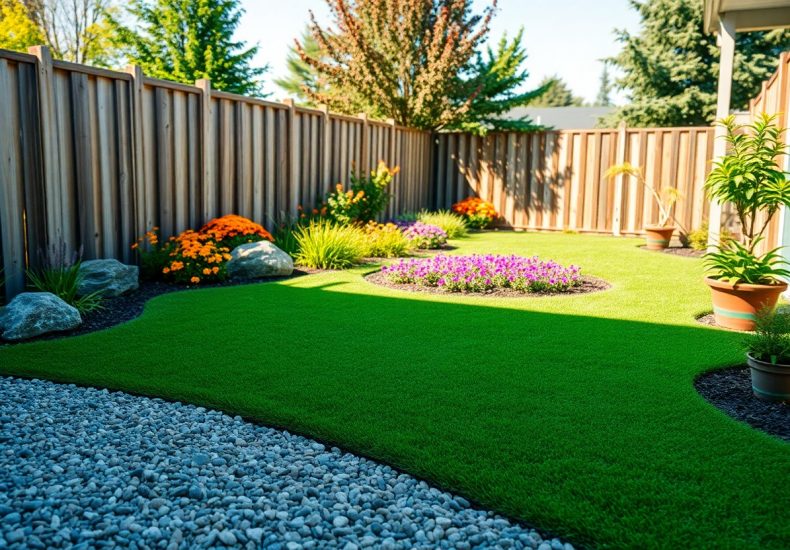
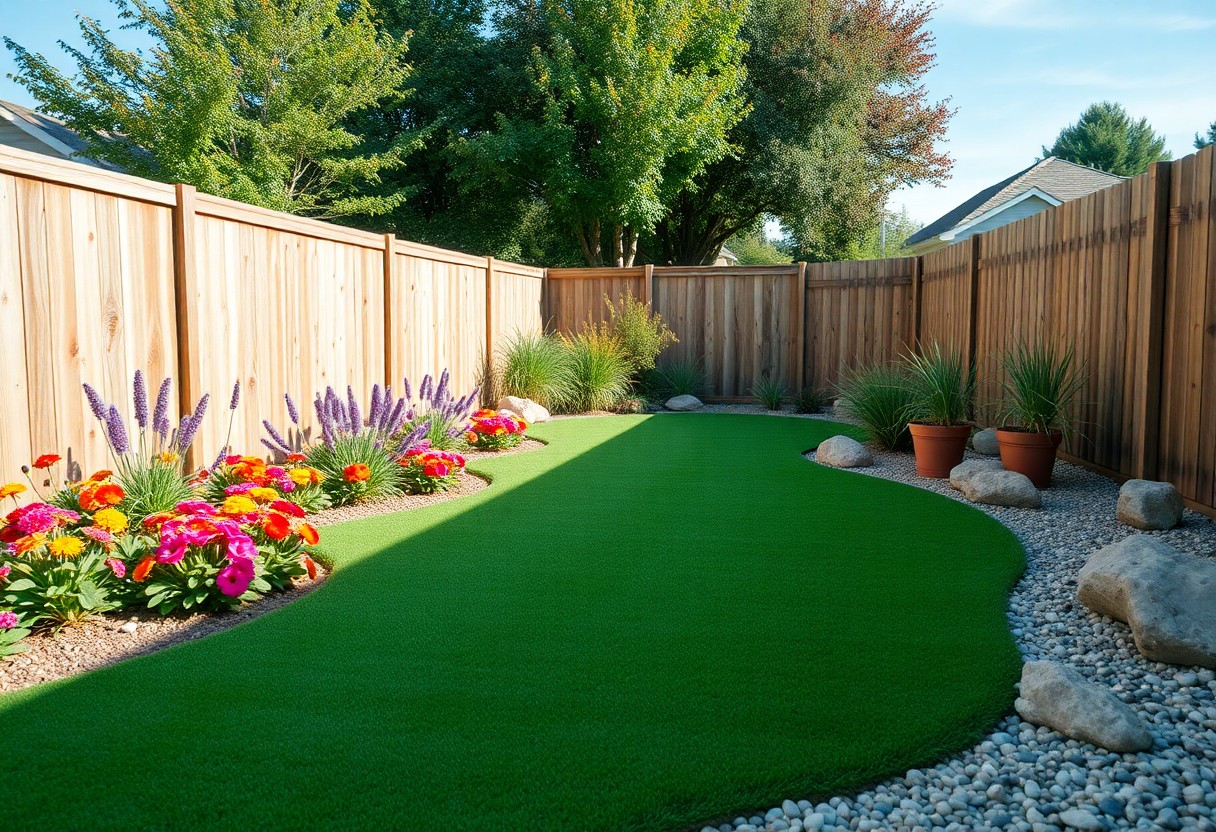
Hardscaping presents a versatile approach to creating low-maintenance, eco-friendly yards by incorporating non-plant elements such as stone, gravel, and various structures. Utilising these materials can reduce water consumption, minimise upkeep, and create beautiful outdoor spaces that enhance your garden’s functionality while reducing reliance on traditional grass lawns.
Gravel and Stone Yards
Gravel and stone yards provide a stylish and practical alternative to grass, offering excellent drainage and minimal maintenance. You can create unique designs that incorporate various sizes and colours of gravel to suit your personal style while ensuring your yard remains functional and aesthetically pleasing.
Patios and Pathways
Patios and pathways not only add structure to your landscape but also improve accessibility and functionality. Using permeable materials, such as natural stone or reclaimed bricks, enhances the environment by promoting effective water drainage and reducing runoff, making these features both beautiful and sustainable.
Investing in patios and pathways allows you to design inviting outdoor spaces for relaxation or entertaining. You might consider integrating seating areas or fire pits into your patio design, creating focal points that encourage social gatherings. Furthermore, employing eco-friendly materials maximises sustainability while allowing you to customise the layout to complement the surrounding landscape, ensuring a seamless blend with your environment.
Benefits of Flowering Plants
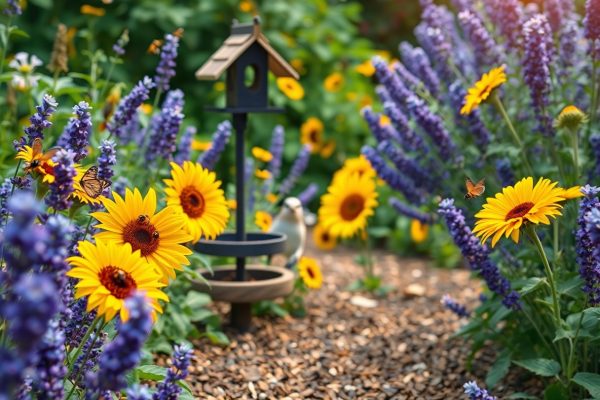
Incorporating flowering plants into your yard offers numerous benefits, enhancing biodiversity while providing habitats for beneficial insects. Their vibrant blooms can significantly increase local pollinator populations, which are vital for the ecosystem. By selecting native species, you not only promote sustainability but also reduce water usage and maintenance needs. For more information on various options for eco-friendly yards, explore Lawn Alternatives.
Pollinator-Friendly Choices
Choosing flowering plants that attract pollinators is a rewarding strategy for any eco-conscious gardener. Plants like lavender, echinacea, and bee balm not only add beauty to your garden but also provide vital food sources for bees, butterflies, and other pollinators. These species thrive in various conditions, making them accessible for different landscapes and climates, ensuring that your garden flourishes while supporting local wildlife.
Seasonal Color and Visual Appeal
Opting for flowering plants brings continuous seasonal colour to your yard, enhancing its visual appeal. With a carefully chosen selection of perennials and annuals, you can enjoy vibrant displays from spring through autumn. The layers of blooms create a visually stimulating environment that changes over time, ensuring your garden remains lively and attractive throughout the year.
Incorporating a diverse array of flowering plants can transform your garden’s aesthetics dramatically. For instance, early spring bulbs like daffodils and crocuses usher in the season with bright yellows and purples, while summer blooms such as sunflowers and daylilies provide bold colours and textures. As autumn approaches, asters and chrysanthemums introduce rich hues, extending the visual interest into the cooler months. This dynamic palette not only elevates your garden’s beauty but also offers striking backdrops for outdoor activities, attracting attention from passers-by and providing a welcoming atmosphere for entertaining guests.
Maintenance and Sustainability
Maintaining an eco-friendly yard involves a balance between minimal upkeep and sustainable practices. By selecting the right plants and ground covers, you can create a landscape that thrives with little intervention. Native plants, for instance, adapt naturally to local climates, requiring less water and fertilisation. Adopting a mindful approach to gardening, where you focus on soil health and pest management rather than chemical treatments, further enhances sustainability.
Low-Maintenance Alternatives
Consider incorporating ground covers like creeping thyme or clover, which require less mowing and watering than traditional grass. These options not only save you time but also provide habitats for local wildlife and keep your garden looking lush without excessive input. Additionally, drought-resistant plants can thrive on minimal rainfall, reducing your dependency on irrigation.
Sustainable Practices for Eco-Friendly Yards
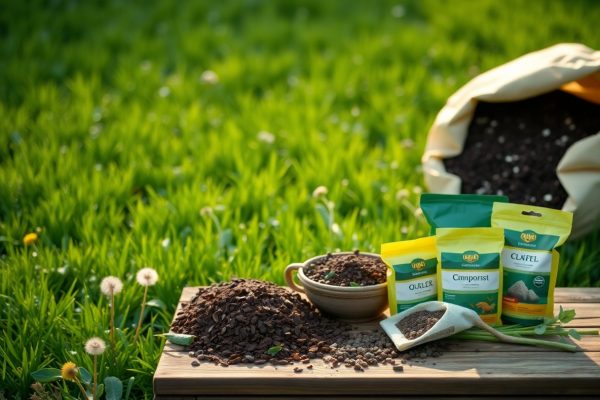
Sustainable practices include organic gardening methods, rainwater harvesting, and composting. You can cultivate healthy soil by adding organic matter and using mulch to retain moisture and suppress weeds. Installing a rain barrel captures rainwater for your plants, while composting kitchen scraps provides nutrient-rich food for your garden. Such practices not only benefit your yard but also contribute positively to the environment.
Implementing sustainable practices enhances your yard’s resilience and health. Use organic fertilisers derived from plant or animal matter to feed your plants naturally, ensuring that nutrients are available without harming beneficial microbes. Practising crop rotation and companion planting promotes biodiversity, deterring pests and diseases. Furthermore, setting up a pollinator garden with native flowers supports local bees and butterflies, fostering a thriving ecosystem. This holistic approach not only ensures your yard remains vibrant but also plays a significant role in promoting environmental stewardship within your community.
Conclusion
Presently, embracing lawn alternatives for eco-friendly yards empowers you to create a sustainable outdoor space. By selecting native plants, ground covers, or gravel, you reduce water use and chemical dependency while enhancing biodiversity. These options not only lessen your environmental impact but also offer unique aesthetics tailored to your preferences. Transitioning to these alternatives can lead to a more resilient and low-maintenance landscape, allowing you to enjoy your garden with less fuss and more harmony with nature.
FAQ
Q: What are some popular eco-friendly alternatives to traditional lawn grass?
A: Popular eco-friendly alternatives include clover, creeping thyme, native wildflowers, sedum, and ornamental grasses. These options require less water and maintenance while supporting local wildlife.
Q: How do I maintain an eco-friendly yard without traditional lawn care methods?
A: Maintenance can include mulching, using organic fertilisers, and implementing drought-resistant plants. Regularly checking soil moisture and using native plants can significantly reduce the need for frequent watering.
Q: Can I create a lawn alternative that is pet-friendly?
A: Yes, many lawn alternatives such as clover and certain ground covers are safe for pets. It is advisable to choose non-toxic plants and ensure there are no harmful chemicals in the maintenance products used.
Q: Are there any cost-effective eco-friendly lawn alternatives?
A: Many eco-friendly options, like native wildflowers and clover, are often inexpensive or even free as they can be seeded directly into the soil. Additionally, reducing water and fertiliser costs can lead to long-term savings.
Q: How do I transition from a traditional lawn to eco-friendly alternatives?
A: Begin by gradually removing patches of grass and replacing them with desired alternatives. This can be done by solarising the lawn, sowing seeds or planting plugs, and allowing them to establish over time.
You may also like