Dealing with Garden Weeds Organically
Weeds can quickly overrun your garden, competing with your plants for nutrients and water. Employing organic methods to manage them not only protects your garden’s ecosystem but also ensures the safety of your family and pets. In this post, you’ll discover effective strategies you can implement to control weed growth while promoting a healthy, thriving garden. From preventative measures to manual removal techniques, let’s explore how you can keep your garden weed-free without the use of harmful chemicals.
Key Takeaways:
- Utilise mulching to suppress weed growth and retain soil moisture.
- Implement hand weeding regularly to prevent seed spread.
- Encourage natural predators and beneficial insects to maintain a balanced ecosystem.
Understanding Garden Weeds
Garden weeds are unwanted plants that compete with your cultivated plants for resources. They can thrive in various conditions, often outpacing your flowers or vegetables and making them less healthy. Identifying the weeds that invade your garden is important, as different species present unique challenges. Understanding their growth patterns and life cycles gives you the power to manage them effectively, ensuring your garden remains flourishing and vibrant.
Common Types of Garden Weeds
Several common weeds can wreak havoc in your garden, each with distinct characteristics. Familiarising yourself with them helps in prevention and control.
- Dandelion – fast-growing, with a deep taproot.
- Thistle – broad leaves and can produce thousands of seeds.
- Plantain – low-growing, with a rosette of leaves.
- Bindweed – twining habit that can smother other plants.
- Chickweed – thrives in moist areas and spreads easily.
After you recognise these weeds, you can implement strategies to keep them at bay effectively.
| Dandelion | Deep taproot, bright yellow flowers. |
| Thistle | Sharp spines, rapid re-growth. |
| Plantain | Low-growing leaves, seed heads. |
| Bindweed | Twining vine, invasive in gardens. |
| Chickweed | Small white flowers, spreads quickly. |
The Impact of Weeds on Garden Health
Weeds significantly affect the health of your garden, competing for water, nutrients, and light, ultimately hindering the growth of your desired plants. Their rapid reproduction often leads to overcrowding, which can choke out your flowers or vegetables, making them weaker and more susceptible to pests and diseases.
As they again assert their dominance, weeds can steal vital resources, leaving your plants struggling to survive. For instance, studies reveal that a dense population of weeds can reduce yields by more than 50%. This competition not only diminishes the quality of your garden but also reduces your harvest potential, compelling you to apply more inputs like fertiliser and water. Additionally, some weeds can harbour pests or diseases that may affect neighbouring plants. Therefore, effective weed management is important for maintaining a healthy and productive garden ecosystem.
Organic Weed Management Techniques
Utilising organic methods for weed management can significantly enhance your garden’s health and biodiversity. By opting for natural techniques, you prevent the introduction of harmful chemicals into your environment, fostering a healthier ecosystem.
Hand Weeding
Hand weeding is a simple yet effective method for controlling weeds. By manually removing unwanted plants, you ensure precision while minimising disturbance to the surrounding soil and roots of your desired plants. It is most effective after rainfall when the soil is softer, making it easier to pull out entire roots.
Mulching Strategies
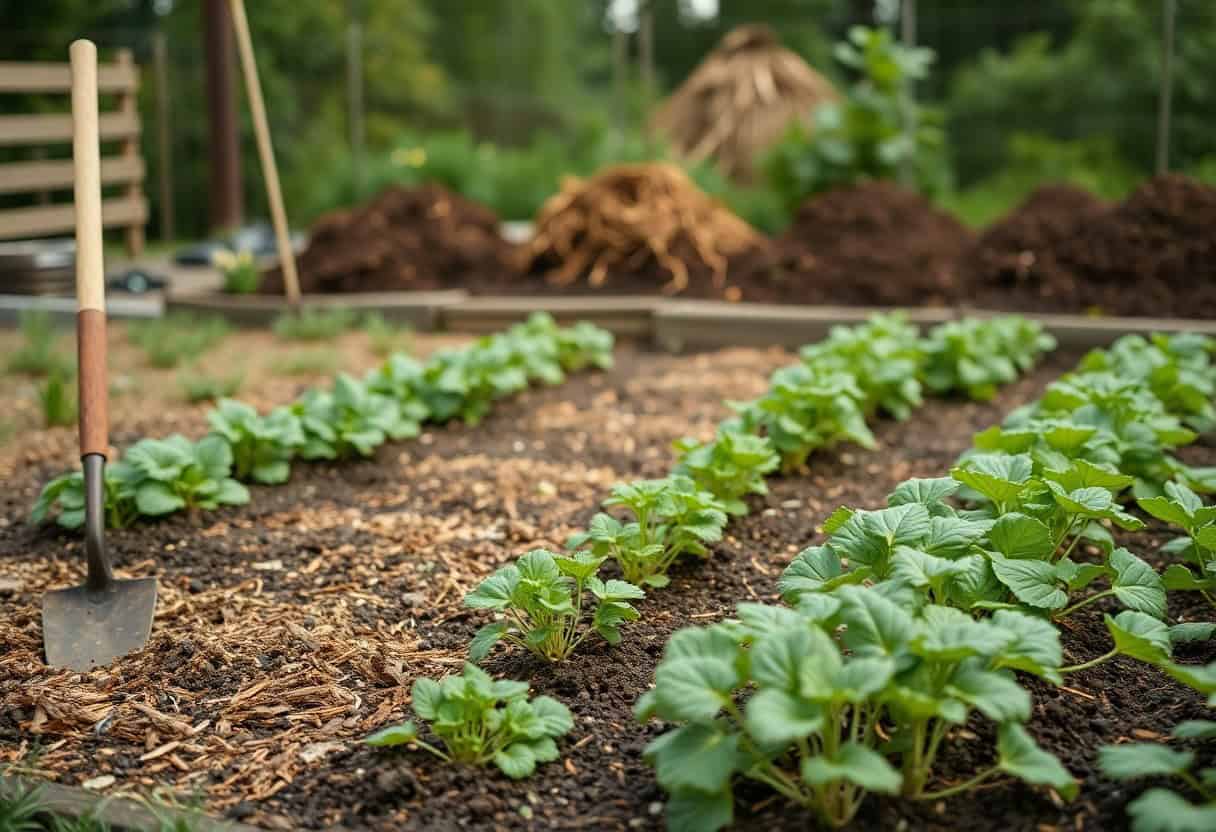
Mulching is an excellent strategy to suppress weed growth while retaining soil moisture. By covering the ground with organic materials, such as straw, wood chips, or grass clippings, you block sunlight from reaching weed seeds, drastically reducing their chance of germination.
When applying mulch, aim for a thickness of at least 5 to 10 cm to effectively inhibit weeds. Organic mulches not only reduce competition but also enhance soil fertility as they decompose. Use materials such as shredded leaves or composted bark to create a vibrant, nutrient-rich barrier that feeds your soil while keeping unwanted plants at bay.
Organic Herbicides
Organic herbicides provide an alternative to synthetic options, targeting weeds without harming beneficial flora. Made from natural ingredients, these herbicides can disrupt weed growth effectively with minimal environmental impact.
For many gardeners, products containing acetic acid or clove oil serve as effective organic herbicides. They work by desiccating plant tissues on contact; however, ensure you use them carefully, as they can affect any plant they touch. Timing your application during sunny conditions can amplify their efficacy, making it a practical choice for combatting persistent weeds.
Preventative Measures
To effectively minimise weed growth, you should implement preventative measures that promote a healthy, thriving garden ecosystem. Maintaining soil health, using mulch, and choosing the right plants are all key strategies in reducing weed emergence. By focusing on healthy plant growth and optimising garden conditions, you create an environment less hospitable to weeds.
Soil Health and Fertility
Healthy soil is the foundation of a weed-free garden. By regularly testing your soil, you can identify nutrient deficiencies and amend your soil with organic matter such as compost. This not only improves fertility but also enhances microbial activity, creating a robust ecosystem that supports your plants and suppresses weed growth.
Companion Planting
Companion planting can provide a natural defence against weeds by enhancing plant diversity and encouraging beneficial relationships among species. Certain combinations of plants can suppress weed growth, deter pests, and improve overall garden resilience. For example, planting legumes alongside vegetables enriches the soil while smothering weeds.
When practising companion planting, select plants that support one another. For instance, planting marigolds alongside tomatoes not only deters nematodes but can also help inhibit the growth of weeds by maximising ground cover. Similarly, intercropping with leafy greens can provide shade and suppress weed seeds while optimising your harvest space. This strategy not only enhances biodiversity but also allows your garden to flourish with minimal weed competition.
Cultivation and Tillage Practices
Incorporating effective cultivation and tillage practices fosters a healthier garden ecosystem while mitigating weed proliferation. Techniques such as crop rotation and intercropping not only improve soil structure but also disrupt weed life cycles. Implementing a no-till approach can further enhance soil health and moisture retention, ultimately leading to more robust plant growth. By understanding and applying these methodologies, you can significantly reduce the reliance on chemical interventions in your garden.
The Role of Tilling
Tilling plays a dual role in gardening; it prepares the soil for planting while also controlling weed populations. By turning the soil, you expose weed seeds to the surface where they can desiccate and perish under harsh conditions. However, excessive tilling may disturb beneficial soil organisms and exacerbate erosion, so balance is crucial in your approach.
Minimising Soil Disturbance
Minimising soil disturbance is fundamental to maintaining a healthy garden ecosystem. Practices such as no-till farming allow you to preserve the soil structure, enhance microbial activity, and improve moisture retention, ultimately creating a more hospitable environment for your plants. A mulch layer can further suppress weeds and regulate soil temperature.
Focusing on minimising soil disturbance not only strengthens your garden’s resilience but also fosters biodiversity. For instance, no-till methods encourage earthworm activity, which contributes to aerating the soil and nutrient cycling. Studies have shown that no-till systems can decrease weed pressure by up to 70% compared to conventional tillage. Implementing cover crops during off-seasons adds organic matter and nutrient content, while smothering potential weeds. Embracing these practices ensures your garden flourishes without the ecological costs of excessive tilling.
Leveraging Natural Predators
Integrating natural predators into your garden ecosystem can drastically reduce weed populations without chemical interventions. These predators, including insects and birds, play a pivotal role in maintaining balance by preying on weed seeds and seedlings, thus supporting healthier soil and plant growth.
Beneficial Insects
Introducing beneficial insects, such as ladybirds and lacewings, can substantially aid in weed management. These insects not only target pest species but also contribute to controlling the overall weed population by consuming the seeds of various weeds, promoting a naturally balanced environment in your garden.
Fostering Wildlife
Creating habitats that attract wildlife, such as birds and small mammals, can enhance your garden’s ecosystem. Installing birdhouses, providing water sources, and planting a diverse range of flora helps encourage these creatures to visit and stay, further aiding in weed control by keeping your garden in check.
Enhancing your garden for wildlife can have profound effects on weed management. By planting native species and providing shelter, you entice beneficial birds that will feed on weed seeds. For instance, goldfinches are known to consume the seeds of various weeds, including thistles. Additionally, small mammals like voles may help by foraging on weed seedlings, thus reducing their spread. The creation of a balanced ecosystem not only supports these wildlife interactions but also contributes to the biodiversity and resilience of your garden as a whole.

Seasonal Strategies for Weed Control
Utilising seasonal strategies can greatly enhance your organic weed control efforts. In spring, tackle emerging weeds promptly while they are still young. By the time autumn arrives, your focus shifts to cleaning up and preparing your garden for the colder months. For further insights, see Getting rid of weeds without Round Up, and besides ….
Spring Preparations
As you prepare for spring, it’s vital to monitor your garden closely for weeds that start to sprout. Early intervention is key; hand-pulling or using a hoe can effectively eliminate these young weeds before they establish deep roots. Additionally, consider applying mulch to suppress further weed growth while nourishing your soil.
Fall Cleanup
During the fall, your garden cleanup plays a significant role in preventing weeds from reemerging in spring. Clear away fallen leaves, dead plants, and any debris where weeds might winter. This not only diminishes hiding spots for weed seeds but also promotes a healthier garden environment for the following growing season.
In detail, a thorough fall cleanup should include removing any perennial weeds that may attempt to invade your space. After clearing the area, consider applying an organic mulch layer to suppress new growth and preserve soil moisture. This process reduces the chances of weeds taking root during winter and prepares your garden for a productive spring flourish. Aim for an intentional approach, ensuring you establish clear boundaries between cultivated plants and unwanted weeds.
Summing up
On the whole, dealing with garden weeds organically involves a combination of preventive measures and targeted interventions. By cultivating healthy soil, applying mulch, and manually removing weeds regularly, you can significantly reduce their prevalence in your garden. Introducing beneficial plants and natural weed suppressants can enhance your efforts, allowing your garden to thrive without harmful chemicals. Staying vigilant and adopting these strategies will help you maintain a flourishing, weed-free space that emphasises sustainability and environmental responsibility.
FAQ
Q: What are the best methods for removing weeds organically?
A: The most effective organic methods for removing weeds include hand-pulling, using boiling water, applying vinegar, and using mulch to suppress growth. Regular maintenance and monitoring of the garden can prevent weeds from taking hold.
Q: How can I prevent weeds from growing in my garden?
A: To prevent weed growth, use a thick layer of organic mulch, plant ground cover plants, maintain healthy soil through composting, and ensure proper spacing between plants to reduce competition for resources.
Q: Are there any natural herbicides I can use?
A: Yes, natural herbicides include vinegar, salt, and corn gluten meal. These can kill or inhibit weed growth without the use of synthetic chemicals, but care should be taken to avoid harming desirable plants.
Q: How can beneficial insects help with weed control?
A: Beneficial insects such as ladybirds and lacewings can help control pests that might otherwise stress plants and allow weeds to thrive. By maintaining a biodiverse garden, you can encourage these insects to establish a balance in your ecosystem.
Q: What role does soil health play in weed management?
A: Healthy soil supports strong plant growth, making it more difficult for weeds to establish themselves. Regularly incorporating organic matter and maintaining soil structure will enhance soil health and minimise weed pressure.
You may also like