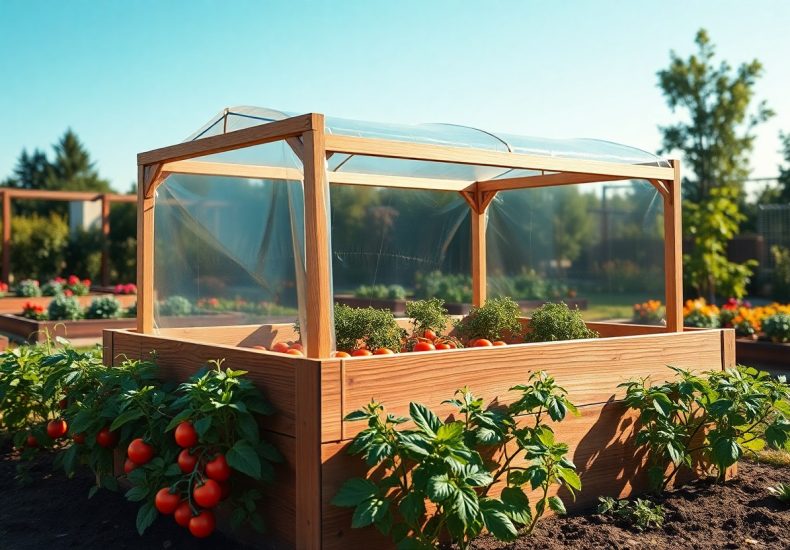
DIY Raised Bed Covers – Extend Your Growing Season Easily
There’s a simple yet effective way to enhance your gardening experience and prolong your growing season: DIY raised bed covers. By creating covers for your raised beds, you not only protect your plants from harsh weather conditions but also create a conducive environment for growth. This guide will equip you with the necessary information to build these covers, enabling you to enjoy fresh produce well into the cooler months.
Key Takeaways:
- DIY raised bed covers effectively protect plants from adverse weather conditions, allowing for extended growing seasons.
- Using materials like plastic sheeting or row covers can create a greenhouse effect, promoting warmer temperatures for seedlings.
- Adjustability in design ensures ease of access for maintenance while providing adequate insulation when needed.

Benefits of Raised Bed Covers
Raised bed covers offer numerous advantages that can significantly enhance your gardening experience. They create a controlled microclimate, helping to retain heat and moisture while providing imperative protection from extreme weather conditions. As a result, your plants can thrive throughout the growing season, leading to improved yields and a healthier garden overall.
Protection from Frost
One of the primary benefits of raised bed covers is their ability to shield your plants from frost. As temperatures drop, these covers trap heat, preventing plants from experiencing frost damage. This insulation allows you to start planting earlier in spring and extend the harvest into autumn, maximising your gardening potential.
Pest Control
Raised bed covers also play a vital role in pest control by acting as a physical barrier against various garden pests. By enclosing your plants, these covers deter insects such as aphids, slugs, and birds that can harm your crops, offering you a more enjoyable gardening experience without the constant worry of pest invasions.
For example, using fine mesh covers can protect tender seedlings from being eaten by birds, while cloche-style covers ensure that larger pests like rabbits stay at bay. Furthermore, specific pest barriers can allow light and moisture in while keeping unwanted visitors out, creating a safe haven for your plants. Adopting raised bed covers as part of your gardening strategy will not only safeguard your plants but also reduce the need for chemical pesticides, promoting a healthier ecosystem in your garden.
Materials for DIY Covers
When constructing your DIY raised bed covers, selecting the right materials is crucial for ensuring durability and functionality. The primary components typically include lightweight frames and clear plastic sheeting, both of which contribute to effective temperature regulation and pest control. Choosing the correct materials will enable you to create a cover that not only serves its purpose but also enhances the aesthetic of your garden.
Lightweight Frames
Opt for lightweight materials like PVC pipes or aluminium, as they provide an easy-to-handle structure while maintaining stability. PVC pipes are particularly popular due to their affordability and flexibility, allowing you to customise the dimensions of your raised bed covers easily. Aluminium frames, while a bit pricier, offer excellent durability and resistance to corrosion, ensuring a longer lifespan for your covers.
Clear Plastic Sheeting
Clear plastic sheeting is an ideal choice for the cover material, allowing sunlight to penetrate while simultaneously providing insulation against the cold. This helps create a greenhouse effect, which encourages your plants to thrive in cooler months. Furthermore, it can easily be cut to size and attached securely to your frame, making it a practical option for any DIY project.
When selecting clear plastic sheeting, aim for at least 6 mil thickness for optimal durability and resistance to tearing. The sheeting will ideally be UV resistant, offering protection from sun damage while allowing light transmission. Consider using reinforced polycarbonate sheets for greater longevity, as they provide superior insulation and can withstand harsher weather conditions. Properly installed, your clear plastic sheeting will not only extend your growing season but also enhance your garden’s microclimate, promoting healthier plant growth all year round.
Design Options for Covers
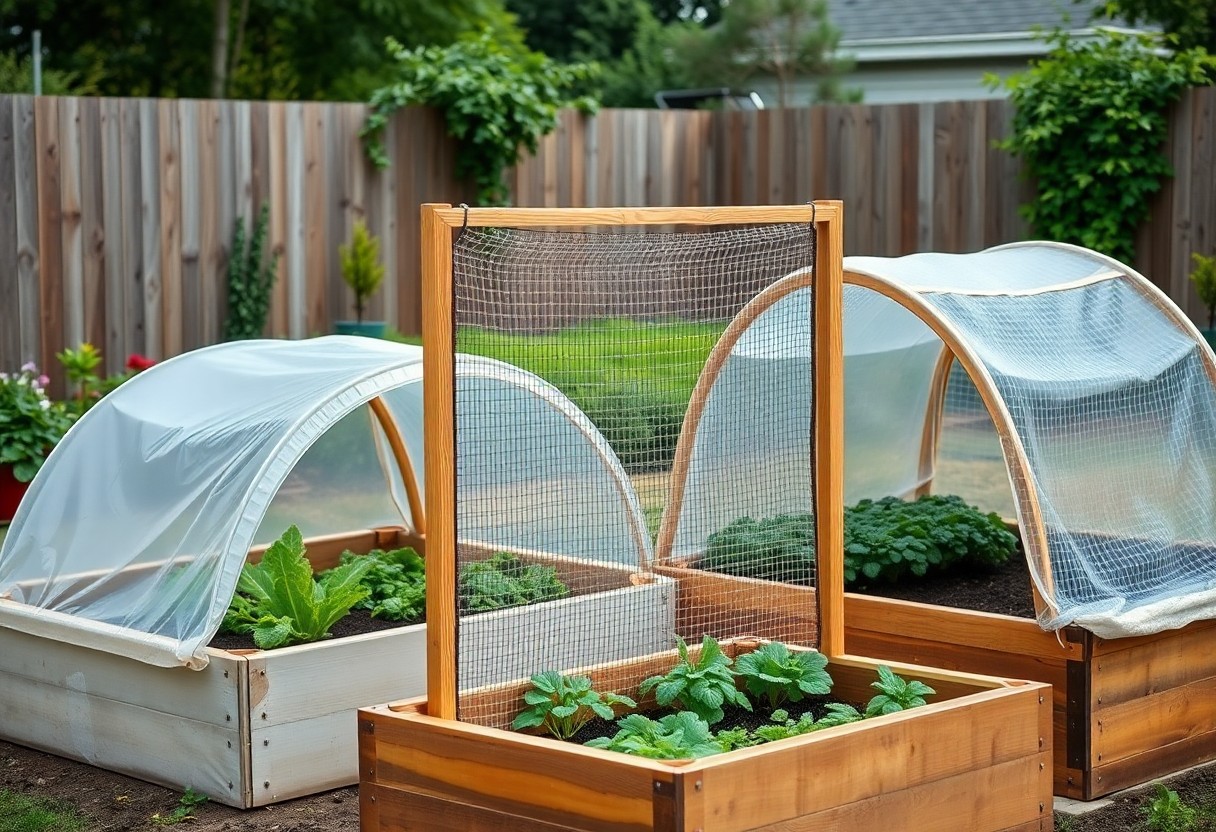
Pertaining to designing your raised bed covers, several styles can effectively extend your growing season. Selecting the right design allows you to match functionality with aesthetics, ensuring your garden remains productive and visually appealing. Consider factors such as ventilation, accessibility, and ease of assembly while choosing a style that meets your specific gardening needs.
Hoop House Style
The hoop house style features a series of curved frames covered with plastic sheeting, creating a tunnel-like structure over your raised beds. This design allows ample light penetration while trapping warmth, promoting a microclimate ideal for early planting. You can easily adjust the height of the hoops to accommodate different plants throughout the growing season.
Cold Frame Style
A cold frame is a low-to-the-ground structure, often framed with wood and topped with glass or plastic panels. This design retains heat while providing protection from harsh weather, making it perfect for starting seedlings or overwintering delicate plants. You can position your cold frame in a sunny spot, maximising sunlight exposure for optimal growth.
Cold frames can be highly effective for various plants, allowing you to harvest crops like lettuce, spinach, and herbs earlier in the spring. By incorporating a simple hinged lid, you can easily regulate temperature and humidity inside, ensuring a stable environment for your plants. The adaptability in size and design means you can create cold frames on any scale, from small boxes for herbs to larger structures for an extensive array of vegetables.
How to Build a Raised Bed Cover
Building a raised bed cover enhances your gardening experience by protecting your plants and extending the growing season. By following a straightforward process, you can create a functional and efficient cover tailored to your garden’s needs.
Step-by-Step Instructions
| Step | Description |
|---|---|
| 1 | Measure your raised bed dimensions. |
| 2 | Cut your timber or PVC pipes accordingly. |
| 3 | Assemble the frame using screws or connectors. |
| 4 | Attach the cover material of your choice. |
| 5 | Secure the frame to the raised bed. |
Tips for Stability and Durability
Ensuring your raised bed cover is stable and durable will prolong its lifespan. Opt for treated timber or galvanised metal components, and reinforce joints with brackets or additional screws where needed.
- Use cross-bracing on larger frames for added support.
- Consider wind resistance in your design.
- Choose lightweight yet sturdy cover materials to minimise strain.
- Secure the cover with hooks or weights during storms.
- Any additional reinforcement will enhance longevity.
Choose robust materials wisely. Galvanised metal handles outdoor conditions better than untreated timber, which may warp or decay quickly. Regular maintenance, such as checking for wear or rust, ensures your cover remains functional. Keep covers lightweight to facilitate easy opening and closing, promoting optimal airflow for your plants. Any small adjustments to materials can significantly contribute to the overall stability and performance of your raised bed cover.
- Inspect joints periodically for wear and tear.
- Regularly clean cover materials to prevent buildup.
- Keep the area free of debris and standing water.
- Consider seasonal removal for extensive maintenance.
- Any improvements can enhance efficiency and usability.
Seasonal Considerations
Understanding seasonal considerations is vital for optimising your raised bed covers. In cooler months, these covers trap heat and humidity, enabling crops to thrive despite lower outdoor temperatures. Depending on your local climate, utilising Extend Your Growing Season with a Raised Bed … approach may entail selecting appropriate materials and methods for insulation and ventilation.
Timing Your Planting
Strategically timing your planting enhances your growing potential with raised bed covers. Aim to start sowing seeds indoors several weeks before your last frost date. This practice allows you to transplant seedlings into covered beds promptly, ensuring they establish well and continue to grow as outdoor conditions improve.
Adapting Covers for Different Climates
Adapting your covers to suit various climates is important for maximising benefits. In warmer regions, consider using mesh or lightweight fabric to provide shade and maintain optimal temperatures. In contrast, areas with harsh winters might benefit from solid, insulated covers that protect against frost. Tailoring your approach based on local weather patterns will help you maintain ideal growing conditions year-round.
For example, in regions with fluctuating temperatures, utilising row covers can moderate conditions effectively. You could even combine different materials based on your season’s specific needs; use polycarbonate panels for winter and lighter fabric in spring and autumn. Additionally, regularly monitoring your plants and adjusting the covers based on daily weather changes ensures your crops receive the best possible care, allowing for a successful harvest throughout the year.
Maintenance of Raised Bed Covers
To maximise the lifespan of your raised bed covers, regular maintenance is imperative. This includes cleaning the framework and replacing any damaged components to ensure they remain effective throughout the growing season. Check for signs of wear, such as fraying fabric or rusting metal, and address these issues promptly to maintain the integrity of your covers.
Seasonal Repairs
At the end of each season, inspect your raised bed covers for any damage sustained from weather exposure. Look for broken hinges or loose fittings that could compromise the structure. Simple repairs can extend their usability; for instance, replace torn netting or patch up holes with compatible materials. This proactive approach reduces replacement costs and prolongs the functionality of your covers.
Storage Tips
When the growing season concludes, proper storage of your raised bed covers ensures they remain in good condition. Clean all components thoroughly to remove dirt and pests, and store them in a dry, sheltered place away from extreme temperatures. Folding or rolling covers can prevent creases and prolong their life.
- Ensure they are completely dry before storing them.
- Avoid stacking heavy items on top to prevent deformation.
- Keep them away from direct sunlight to prevent UV damage.
- Seal covers in protective bags to deter pests.
- Organise your storage area for easy access next season.
- Any mild detergent can be used to clean fabric covers effectively.
Utilising clear plastic bins or labels for different cover types will ease identification when you need to retrieve them for reuse. Maintaining a dedicated storage area not only protects your investment but also streamlines your spring preparations. Be meticulous in your preservation efforts.
- Consider using moisture absorbers to prevent mould.
- Regularly check stored items for any signs of damage.
- If using wooden frames, treat them with preservative before storage.
- Keep an inventory of materials for quick reference.
- Any well-organised storage solution will save you time later on.
Conclusion
Presently, DIY raised bed covers are an effective way to extend your growing season, allowing you to maximise your yield with minimal effort. By simply constructing these covers, you can protect your plants from harsh weather conditions while promoting a suitable environment for growth. You have the ability to adjust designs to meet your specific gardening needs, ensuring that your plants thrive throughout the seasons. With a little creativity and resourcefulness, your garden can flourish all year round.
You may also like