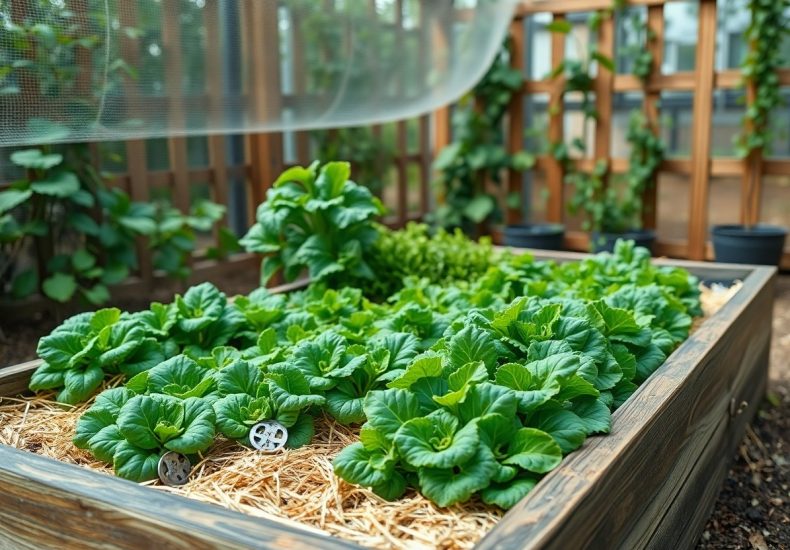
How to Protect Your Raised Beds from Pests and Weeds
You can effectively safeguard your raised beds from pests and weeds by implementing a few simple yet effective strategies. Start by choosing the right materials for your beds and companion planting to deter unwanted visitors. Incorporating protective barriers and mulch will keep weeds at bay while maintaining soil health. Regular monitoring and maintenance ensure that your garden remains a thriving environment for your plants. This guide provides practical solutions to help you maintain a flourishing raised bed garden throughout the growing season.
Key Takeaways:
- Install physical barriers such as mesh or netting to keep pests away from plants.
- Use mulch around your raised beds to suppress weed growth and maintain soil moisture.
- Implement companion planting strategies to deter pests naturally and promote healthy plant growth.
Understanding Pests and Weeds
To effectively protect your raised beds, it’s important to understand the types of pests and weeds that threaten your plants. Pests such as aphids and slugs can cause significant damage by feeding on your crops, while various weeds compete for nutrients and light. Having a sound grasp of these threats will enable you to implement targeted prevention strategies and protect your garden’s health.
Common Pests in Raised Beds
Common pests in raised beds include aphids, snails, and whiteflies. Aphids, tiny sap-sucking insects, can rapidly reproduce and weaken your plants. Snails and slugs feast on leafy greens, often leaving behind holes and slime trails. Whiteflies are notorious for their ability to spread diseases through your plants. Vigilance in monitoring these pests is key to maintaining a healthy garden.
Types of Weeds and Their Impact
Weeds can significantly impact your raised beds by competing for important resources like water, light, and nutrients. Perennial weeds, such as dandelions and bindweed, can establish deep roots, making them particularly challenging to remove. Annual weeds, such as chickweed and purslane, reproduce rapidly, spreading seeds throughout your garden. Effective management is vital to ensure your crops thrive.
| Type of Weed | Impact |
| Dandelions | Compete for nutrients and water |
| Bindweed | Establishes deep roots, hard to eradicate |
| Chickweed | Rapid seed spread, outgrows young plants |
| Purslane | Competes for light, can dominate areas quickly |
| Clover | Can fix nitrogen but may be invasive |
Your understanding of the different types of weeds and their impacts will aid in developing effective removal techniques. Keeping your raised beds weed-free ensures your plants have access to necessary resources. Regularly monitoring and controlling weed growth can save time and yield healthier crops.
- Implement mulching to suppress weed growth.
- Hand-pulling weeds can be an effective method for small infestations.
- Use a hoe to break the soil surface and uproot weeds.
- Consider planting cover crops to prevent weed establishment.
- Knowing your specific weed threats allows for timely interventions.
| Control Method | Effectiveness |
| Mulching | Highly effective for prevention |
| Hand-pulling | Best for small infestations |
| Hoeing | Good for uprooting young weeds |
| Flame weeding | Useful for annual weeds |
| Cover crops | Preemptive measure for weed control |
Factors to Consider for Protection
Effective protection for your raised beds involves several key factors that you’ll need to address. These include assessing the local environment, understanding pest behaviour, and selecting suitable barriers. Consider also the specific plants you are growing and their vulnerabilities. Each aspect shapes your overall strategy for safeguarding your garden.
- Local climate and weather conditions
- Types of pests prevalent in your area
- Plant selection and companion planting
- Available space and resources
This comprehensive approach ensures a more resilient raised bed garden.
Choosing the Right Location
Your raised beds’ location directly impacts their health and vulnerability to pests and weeds. Aim for a spot that receives six to eight hours of sunlight daily, as this encourages healthy plant growth. Additionally, ensure good air circulation and opt for areas with natural drainage, which helps prevent standing water that attracts pests. Proximity to other plants can be advantageous, but be cautious of overcrowding, which could facilitate pest transfer.
Soil Health and Maintenance
Healthy soil is the foundation of a thriving garden and plays a vital role in pest and weed management. Regularly check soil for proper pH levels, compost content, and nutrient balance. Amendments such as organic matter can enhance microbial activity and suppress weed growth. Implementing crop rotation also contributes to long-term soil health, reducing the likelihood of pest infestations over time.
For ongoing soil health and maintenance, it’s important to perform regular soil tests to ascertain nutrient levels and pH balance. Adding well-composted organic material not only enriches the soil but also promotes a robust ecosystem that can fend off certain pests naturally. Mulching around your plants further helps retain moisture and suppress weeds, while periodic aeration improves soil structure, allowing roots to penetrate more easily. Ultimately, prioritising soil health ensures that your raised beds remain productive and resilient against pests.
Physical Barriers and Coverings
Implementing physical barriers and coverings is necessary for safeguarding your raised beds against pests and weeds. These simple yet effective strategies include the use of row covers, netting, and mulch, each providing a protective layer that inhibits unwanted intruders while allowing sunlight and moisture to reach your plants. By integrating these methods, you significantly enhance the health and yield of your garden, creating a more productive growing environment.
Implementing Row Covers
Row covers serve as a versatile shield, protecting seedlings from frost, pests, and harsh weather, while still permitting air and light to filter through. You can easily set them up using lightweight fabric, ensuring quick installation and removal as needed. The added temperature moderation encourages earlier growth, making them an invaluable tool in your gardening arsenal.
Utilizing Mulch Effectively
Applying mulch not only helps retain moisture but also suppresses weed growth and deters pests. Ideally, use organic materials like straw or wood chips, which break down over time and enrich your soil. An application of 5 to 10 centimetres can significantly reduce competition from weeds and enhance the aesthetics of your raised beds.
When utilising mulch effectively, consider the type and placement carefully. Organic mulch options such as straw or bark chips provide habitat for beneficial insects while keeping harmful pests at bay. Alternatively, inorganic options like landscape fabric can offer longevity but may not enrich the soil as they don’t decompose. Ensure to replenish your mulch annually to maintain its effectiveness, and edge your beds to keep the mulch contained and visually appealing. Additionally, combining mulch with other barriers can create a comprehensive defence against both weeds and pests, further improving the resilience of your raised beds.
Natural Deterrents and Repellents
Utilising natural deterrents and repellents can effectively keep pests at bay while being gentle on the environment. Consider planting strong-smelling herbs such as garlic or mint around your raised beds, which can confuse or repel pests. Additionally, sprinkling cayenne pepper or diatomaceous earth can create an unfavourable environment for unwanted visitors. For advice on the best methods, check out this discussion on Best protection from animals for raised beds?
Companion Planting Strategies
Companion planting involves growing certain plants together to enhance growth and deter pests. For instance, marigolds are known to repel nematodes, while basil can protect tomatoes from various insects. By strategically mixing plants, you create a natural ecosystem that benefits both your vegetables and the surrounding environment.
Organic Pest Control Methods
Employing organic pest control methods allows you to manage infestations without harmful chemicals. Options like neem oil, insecticidal soap, and homemade garlic sprays can effectively target a range of pests. These solutions are often safe for beneficial insects, helping to maintain the biodiversity crucial for a healthy garden.
When using organic pest control methods, ensure you follow the recommended application rates to avoid disrupting your plants’ health. Regular monitoring will help you identify infestations early, allowing for timely intervention. Additionally, rotating your pest control techniques can prevent resistance and keep your garden thriving. Incorporating beneficial insects like ladybirds can also naturally reduce pest populations without the need for chemicals.
Regular Maintenance Practices
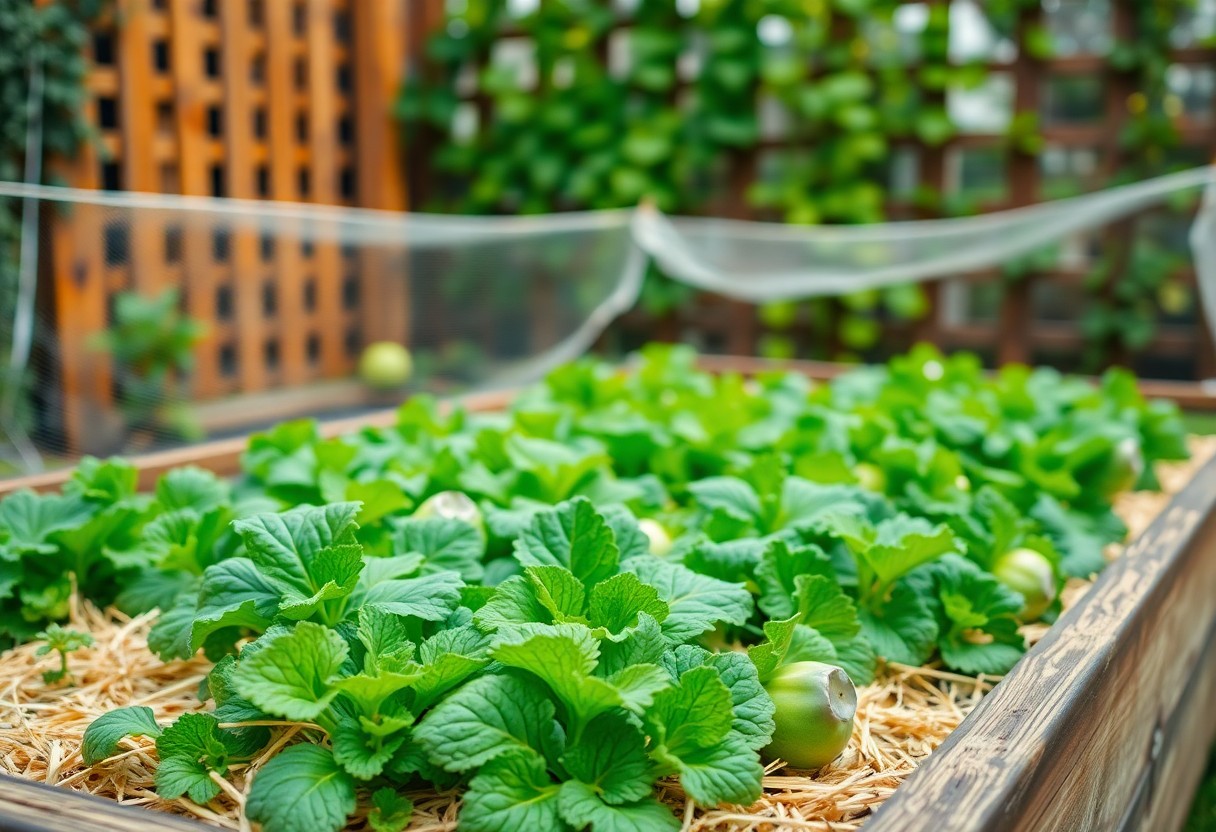
Maintaining your raised beds involves a consistent routine to keep weeds and pests at bay. Regularly checking your garden and ensuring proper care for your plants will enhance their resilience. Frequent watering, appropriate fertilisation, and timely pruning are important tasks that contribute to overall plant health. Implementing these maintenance practices will not only improve your crops but also minimise the chances of infestations.
Monitoring Plant Health
Vigilantly observing your plants’ growth and condition is fundamental for identifying potential problems early. This includes examining leaves for any signs of damage, wilting, or unusual colour changes, which may indicate pest presence or disease. Regular checks can help you take swift action to address any emerging issues, ensuring your plants maintain their vigour.
Seasonal Cleanup Tips
Seasonal cleanups are vital for preventing pests and weeds from establishing themselves in your raised beds. At the end of each growing season, clear away any dead plants, debris, and fallen leaves that could harbour pests or pathogens. This practice not only improves the aesthetic of your garden but also creates a healthier environment for your future crops.
- Remove all remnants of spent crops to reduce pest habitats.
- Compost healthy plant materials to enrich your soil.
- Disinfect tools used in your garden to prevent disease spread.
- Recognising the signs of remaining pests in the debris can aid in future prevention.
During seasonal cleanups, it is important to inspect the soil quality and make amendments where necessary. Adding organic matter, like compost, can improve soil structure and fertility ahead of the next planting season. This practice not only benefits your plants but also enhances the overall biodiversity in your raised beds.
- Emphasise the need for thorough weeding during cleanups to curb future infestations.
- Plan your bed layouts for crop rotation to disrupt pest lifecycles.
- Choosing drought-resistant plants can mitigate maintenance challenges.
- Recognising that diligent seasonal maintenance sets the foundation for a productive growing season is important.

Additional Tips for Success
Incorporating a few additional strategies can enhance the success of your raised bed gardening. Regularly inspect your plants for any signs of pest activity and weeds, rotate crops to disrupt pest cycles, and use companion planting to deter unwanted species. Mulching not only retains moisture but also reduces weed growth and provides habitat for beneficial insects.
- Conduct routine checks for early detection of problems.
- Rotate crops annually to maintain soil health.
- Utilise companion plants to enhance growth and deter pests.
- Apply mulch to suppress weeds and regulate soil temperature.
Knowing these strategies can significantly improve your garden’s health and yield.
Community Resources and Support
You can tap into local gardening clubs, online forums, and community gardens for invaluable support and advice. Many local councils offer workshops and resources aimed at pest and weed management, providing a platform for sharing experiences and solutions with like-minded gardeners. Collaborating with others fosters a sense of community while enhancing your gardening skills.
Innovative Techniques to Explore
Exploring new techniques can significantly elevate your raised bed gardening experience. Techniques such as vertical gardening, hydroponics, and intercropping can optimise space and resource usage, minimising pest and weed problems effectively. Additionally, utilising protective crops like trap crops can entice pests away from your valuable plants without damaging your overall yield.
Vertical gardening, for example, allows you to maximise limited space by using trellises or wall planters, which can also create a microclimate that deters certain pests. Hydroponic systems eliminate soil-borne pest issues entirely by growing plants in nutrient-rich water solutions, while intercropping utilises strategic plant combinations to confuse and deter pests. Exploring these innovative methods not only protects your raised beds but also increases your overall productivity and success in gardening.
Summing up
As a reminder, to effectively protect your raised beds from pests and weeds, you should implement a combination of physical barriers, companion planting, and regular maintenance. Using insect netting, mulch, and good crop rotation can deter unwanted visitors and minimise weed growth. Consider utilising organic methods for pest control and remain vigilant about monitoring your plants. For additional insights on managing wildlife, explore this resource on Raised Bed Gardening | How to Control Animals.
You may also like