Common Raised Bed Mistakes and How to Avoid Them
There’s a wealth of benefits to gardening in raised beds, but many aspire to this technique often stumble into common pitfalls. By understanding these mistakes, you can enhance your gardening experience and ensure your plants thrive. This guide will help you identify these errors and provide practical solutions so you can cultivate a flourishing and productive garden in your raised beds.
Key Takeaways:
- Ensure proper drainage to prevent waterlogging and root rot.
- Choose the right soil mix, focusing on quality organic matter to promote healthy plant growth.
- Space plants appropriately to avoid overcrowding and competition for nutrients.
How to Choose the Right Location for Your Raised Bed
Selecting the ideal location for your raised bed is vital for the success of your plants. Look for a spot that receives at least six to eight hours of direct sunlight daily, ideally in the morning. Avoid areas shaded by trees or buildings. Your raised bed should also be easily accessible for watering, pruning, and harvesting. For more insights, check out 10 Raised Garden Bed Mistakes You Might Be Making.
Sunlight Requirements
Your plants thrive on sunlight, so position your raised bed where it will bask in morning rays and avoid the harsh afternoon sun. This exposure promotes robust growth and flavourful produce, as different plants have varying light requirements. Remember that leafy greens generally prefer partial shade, while fruiting plants like tomatoes need full sun.
Drainage Considerations
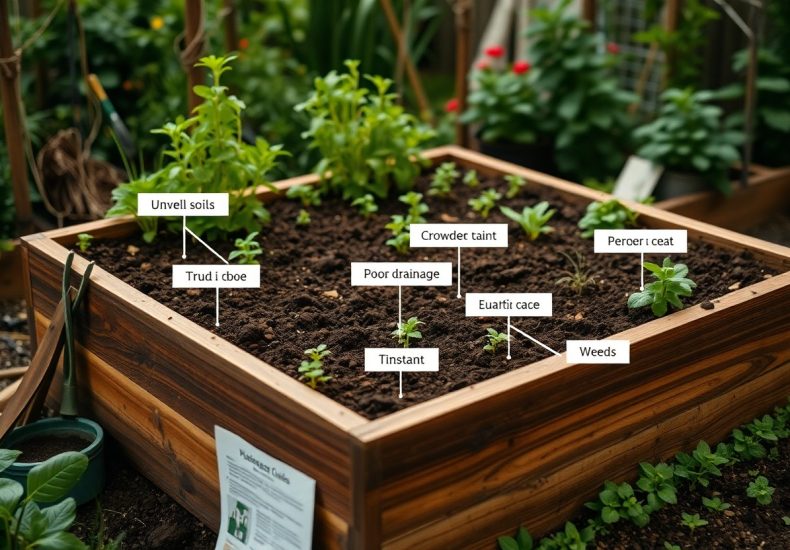
Ensuring proper drainage is important for plant health. Raised beds should be elevated above the ground to facilitate water runoff, but you must also check the soil’s drainage capabilities. If water pools in your chosen location, roots may rot, stunting growth.
To improve drainage, consider creating raised beds on sloped ground, where excess water can run off naturally. You can also incorporate a layer of gravel at the bottom of the bed or mix in coarse materials like sand into your soil to enhance aeration. Regularly assess your plants; if you notice wilting or yellowing leaves, it could indicate a drainage issue that needs addressing promptly.
How-to Select Suitable Soil for Optimal Growth
Your soil’s quality significantly impacts plant health and productivity. Opt for a blend that provides proper drainage, aeration, and nutrients. Aim for a mix of garden soil, compost, and organic matter, ensuring it retains moisture while offering adequate drainage. This balance promotes strong root development and overall plant vitality.
Soil Composition Factors
Several factors determine soil composition, which directly affects plant growth. The main elements include texture, structure, and organic matter content.
- Texture influences water retention and drainage capabilities.
- Structure affects how air and roots penetrate the soil.
- Organic matter enriches the soil, feeding plants and fostering healthy microbe activity.
After assessing these components, you can blend them for optimal growth.
Importance of Soil pH
The pH level of your soil plays a vital role in nutrient availability and plant health. Plants thrive best within a specific pH range, usually 6.0 to 7.5, allowing them to absorb important nutrients efficiently. If your soil is too acidic or alkaline, it can hinder nutrient uptake, leading to deficiencies or toxicities that stunt growth.
Monitoring soil pH is vital to ensuring a successful harvest. For example, tomatoes prefer slightly acidic soil, whereas asparagus thrives in neutral conditions. Regular testing enables you to make necessary amendments, such as adding lime to raise pH or sulfur to lower it, fostering an ideal environment for your plants. Balancing soil pH helps maximise nutrient access and, ultimately, yields.
How to Properly Water Your Plants
Effective watering is vital for a thriving raised bed garden. Overwatering can lead to root rot, while underwatering may cause wilting and stunted growth. Understand the right balance to nurture your plants effectively, using techniques that suit your garden’s unique needs.
Identifying Watering Needs
Each plant has specific watering requirements depending on its type, age, and weather conditions. To assess whether your plants need water, check the soil moisture by sticking your finger about an inch deep into the soil; if it feels dry, it’s time to water. Additionally, observe the colour and texture of your plants—drooping leaves often indicate they need hydration.
Techniques for Efficient Irrigation
Employing efficient irrigation techniques can save water and ensure your plants receive adequate moisture. Drip irrigation systems deliver water directly to the roots, minimising waste and promoting better growth. Alternatively, soaker hoses can provide a gentle and efficient watering method, allowing the soil to absorb water evenly. Adjusting the timing and duration of watering sessions according to weather patterns further optimises water usage.
Drip irrigation systems are often the most effective method for raised beds, as they provide consistent moisture directly where it’s needed. For example, using a timer can automate the watering process, ensuring plants receive the right amount of water at appropriate intervals. If using a soaker hose, position it in a zigzag pattern to cover more ground and enhance water penetration. Both methods not only benefit your plants but also conserve water, making them environmentally friendly choices for your garden.

Tips for Planting in Your Raised Bed
Planting in your raised bed can significantly influence your garden’s success. Start by considering the right time to plant, ensuring that frost-sensitive plants are sheltered until the risk of frost has passed. Rotate your crops to prevent soil depletion. Additionally, follow these guidelines for optimal planting:
- Choose disease-resistant varieties.
- Plant according to the seasonal conditions.
- Avoid crowding by adhering to spacing recommendations.
This will help you maximise yield and health in your raised beds.
Companion Planting Strategies
Implementing companion planting can result in healthier plants and improved yields. By pairing compatible plants, such as tomatoes with basil, you can enhance flavour and repel pests naturally. Certain combinations can also improve nutrient absorption, leading to more robust growth and healthier soil.
Spacing and Depth Guidelines
Proper spacing and planting depth are crucial for allowing plants to thrive. Generally, aim for a minimum of 30 cm between larger plants, while smaller varieties can be spaced closer, around 15 cm apart. Depth varies by plant type; for example, shallow-rooted plants like lettuce require 15 cm, while deeper-rooted vegetables, like carrots, need around 30 cm of soil depth for optimal growth.
Additionally, understanding the mature size of your plants is vital. For instance, if you are planting brassicas like cabbage, they require about 45 cm apart to accommodate their spread. This spacing not only prevents competition for nutrients but also promotes airflow, reducing the risk of diseases. Maintaining the correct depth ensures that roots have adequate room to develop, leading to healthier, more productive plants. Always verify specific requirements for each plant variety to make informed decisions for your raised bed garden.
Factors Affecting Pest and Disease Management
Your approach to pest and disease management relies on several interconnected factors, including soil health, plant diversity, and environmental conditions. Healthy soil promotes robust plants, which can better withstand pest attacks. Additionally, increasing plant diversity in your raised beds can disrupt pest cycles. Environmental elements, such as humidity and temperature, also significantly influence pest populations and disease prevalence. Any imbalance in these factors can lead to infestations and outbreaks.
- Soil Quality
- Plant Diversity
- Environmental Conditions
- Maintenance Practices
Recognising Common Pests
You need to be vigilant in recognising common pests that may invade your raised beds. Aphids, slugs, and caterpillars are often found in gardens. These pests can weaken your plants by feeding on leaves or stems. Regularly inspecting your plants allows you to identify any signs of injury or pest presence early on, which is vital for effective management.
Preventative Measures and Treatments
Adopting preventative measures is your first line of defence against pests and diseases. Rotate your crops annually to disrupt pest life cycles and use companion planting to deter harmful insects. Integrated pest management (IPM) strategies include observing your plants for early signs of trouble and using organic treatments such as neem oil or insecticidal soap when necessary. Maintaining proper soil health through regular composting also supports strong plant growth, reducing vulnerability.
In addition to these strategies, encouraging beneficial insects like ladybirds can significantly aid in pest control. You might also consider setting up physical barriers, such as row covers, to protect young plants from pests. Regularly cleaning your gardening tools and removing debris can prevent disease harbouring. Frequent monitoring of your plants ensures timely interventions, enhancing your overall pest management strategy and leading to healthier crops.

How to Maintain Your Raised Bed Throughout the Season
Maintaining your raised bed throughout the season involves regular monitoring and care to ensure optimal growth. This includes consistent watering, checking for pests, and employing proper weed control methods. As the season progresses, adjusting your maintenance routine is key, adapting to the specific needs of your plants. For more insights on common mistakes in raised bed gardening, refer to 5 Raised Garden Bed Mistakes You Need to Avoid.
Fertilization Tips
To ensure your plants thrive, apply fertiliser at the start of the growing season. Use an organic formula to enrich your soil without detrimental effects. Liquid feeds typically provide quicker results, while slow-release options supply nutrients over time. Always follow the recommended rates based on your plants’ needs.
- Test your soil before fertilising.
- Avoid over-fertilising, which can harm plants.
- Incorporate compost for added nutrients.
- Choose the right fertiliser based on plant types.
- Re-evaluate your fertilisation strategy mid-season.
- Any variation in climate might affect your fertilisation schedule.
Seasonal Care Routines
Implementing seasonal care routines helps keep your raised bed productive. As temperatures and conditions change, you should adjust watering frequency, mulching practices, and pest control measures. Early spring might require more intensive weeding, while late summer calls for monitoring of hydration levels closely. By adapting to seasonal demands, your plants will thrive more robustly.
Final Words
Drawing together the key points, avoiding common raised bed mistakes can significantly enhance your gardening experience. By ensuring proper soil quality, managing water levels effectively, and selecting suitable plants, you can create a thriving environment. Regular monitoring of pests and maintaining appropriate spacing will further contribute to your success. Taking these proactive steps not only optimises your raised beds but also boosts your overall gardening satisfaction. With these strategies in mind, you are well on your way to achieving a bountiful and flourishing garden.
You may also like