What to Plant in Raised Beds for a Year-Round Harvest
Raised beds offer you a versatile gardening solution, allowing for an array of crops that can thrive throughout the seasons. By selecting the right plants, you can ensure a continuous harvest, maximising your gardening space. This guide will introduce you to a variety of suitable crops for each season, empowering you to optimise your raised beds for a year-round bounty. From leafy greens in the cooler months to vibrant vegetables in summer, you’ll discover how to cultivate a flourishing garden that provides for you all year long.
Key Takeaways:
- Select a mix of fast-growing vegetables such as lettuce, radishes, and spring onions for early spring planting.
- Incorporate hardy crops like kale, broccoli, and carrots for late autumn and winter harvests.
- Utilise succession planting to maximise yields throughout the year by replanting beds as soon as one crop is harvested.
Benefits of Raised Bed Gardening
Raised bed gardening offers numerous advantages that enhance your gardening experience and productivity. With better control over soil quality, drainage, and pest management, you can cultivate a thriving garden environment. The elevated structure facilitates easier access, reducing the physical strain associated with traditional gardening. Additionally, raised beds can be aesthetically pleasing, allowing for creative designs while maximising your available space.
Improved Soil Drainage
One significant benefit of raised bed gardening is improved soil drainage. The elevation allows excess water to escape more easily, preventing waterlogging that can harm plant roots. This drainage promotes healthier root systems, enabling plants to absorb nutrients efficiently and thrive even during rainy periods.
Extended Growing Season
Raised beds can help extend your growing season by warming up quicker in spring and remaining productive later into autumn. The soil in raised beds typically heats up faster than that of traditional gardens due to increased exposure to sunlight, which allows you to sow seeds earlier and enjoy crops for a longer period. Additionally, the raised structure can help protect plants from frost and cold winds, providing a microclimate that boosts your harvest potential.
This extended growing season enables you to plant a wider variety of crops throughout the year. For instance, you can start sowing your seeds as early as late winter if using a cloche or fleece cover, ensuring that tender seedlings are safeguarded from the elements. As temperatures cool down in the autumn, you can plant cold-hardy vegetables such as kale and spinach, allowing you to enjoy fresh greens well into winter. This versatility not only maximises your yield but also makes gardening a more satisfying and fruitful endeavour.
Cool-Season Crops
Cool-season crops thrive in the mild temperatures of early spring and autumn, allowing you to maximise your harvest throughout the year. These crops can endure a light frost and provide consistent yields. You might consider planting options such as kale, spinach, and broccoli during these cooler months. For detailed insights on suitable varieties, consult The Best Vegetables to Grow in Raised Garden Beds.
Leafy Greens
Leafy greens like lettuce, Swiss chard, and mustard greens are excellent choices for your raised beds in the cool season. They grow quickly and can be harvested continuously, making them perfect for both small and large plots. Sowing these seeds in succession ensures a steady supply of fresh greens for salads and cooking.
Root Vegetables
Root vegetables such as carrots, radishes, and beetroots are ideal for cool-season planting. They often thrive in the cooler soil temperatures and can be sown directly into your raised beds. Varieties such as Nantes carrots and cherry belle radishes provide hearty yields that are great for both storage and fresh consumption.
Root vegetables not only offer a delightful crunch and variety to your meals but also serve as robust storage options. Carrots, for instance, can be left in the ground until needed, their flavour sweetening considerably after the first frost. Beetroots and turnips can equally be stored for months when kept in a cool, dark place. Opt for different varieties to extend your harvest; for instance, grow early-maturing radishes alongside slower-growing carrots for a staggered yield that keeps your raised beds productive throughout the cool season.
Warm-Season Crops
Warm-season crops thrive in the heat of summer and can significantly enhance your garden’s yield. These plants require consistently warm soil and air temperatures to flourish. From vibrant vegetables to aromatic herbs, incorporating warm-season varieties in your raised beds will ensure a continuous supply of fresh produce throughout the growing season. To achieve maximum productivity, consider integrating companion planting and crop rotation practices into your gardening strategy.
Tomatoes and Peppers
Tomatoes and peppers are classic warm-season crops that perform exceptionally well in raised beds. Both thrive in sunny positions and well-drained soil, producing a bountiful harvest when provided with adequate water and nutrients. You can choose from a multitude of varieties to suit your taste, with tomatoes ranging from cherry to beefsteak and peppers from sweet to spicy. Regular pruning and staking will help maximise yields and ensure air circulation around the plants.
Beans and Squash
Beans and squash not only offer flavourful additions to your meals but also complement each other’s growth when planted together, a technique termed “companion planting”. You’ll appreciate how pole beans can naturally climb up the sturdy stalks of squash plants, saving space in your raised beds while enriching the soil with nitrogen as they grow. Additionally, bush varieties of beans and squash can produce high yields in a compact setting, providing you with a vibrant, productive garden that thrives in the warmth of summer.
Succession Planting Strategies
Utilising succession planting strategies enables you to maximise your growing space across the seasons. By staggering your plantings, you can ensure a continuous harvest. For example, after harvesting early spring crops like peas, you can immediately sow a fast-growing crop such as lettuce. For comprehensive recommendations, check out The BEST (and worst) Vegetables to Grow in Raised Beds to identify the best varieties for succession planting.
Timing Your Plantings
Paying close attention to timing is imperative for successful succession planting. By calculating your local frost dates, you can effectively plan what and when to plant. For instance, sowing a crop like spinach in early spring allows you to follow it up with a summer crop such as tomatoes. This strategy optimises your garden’s productivity throughout the growing season.
Crop Rotation Basics
Crop rotation is a vital practice that involves changing the types of plants grown in your raised beds each season. This method helps maintain soil health by reducing nutrient depletion and preventing disease buildup that can occur when the same crops are planted year after year.
Engaging in crop rotation allows you to improve soil structure and fertility. For instance, leguminous plants such as beans and peas fix nitrogen in the soil, benefitting subsequent leafy greens like lettuce in the next growing cycle. Implement a simple rotation system by grouping plants into families and ensuring that each family occupies a different bed each season. Adopting this practice not only enhances nutrient availability but also promotes biodiversity in your garden.
Companion Planting in Raised Beds
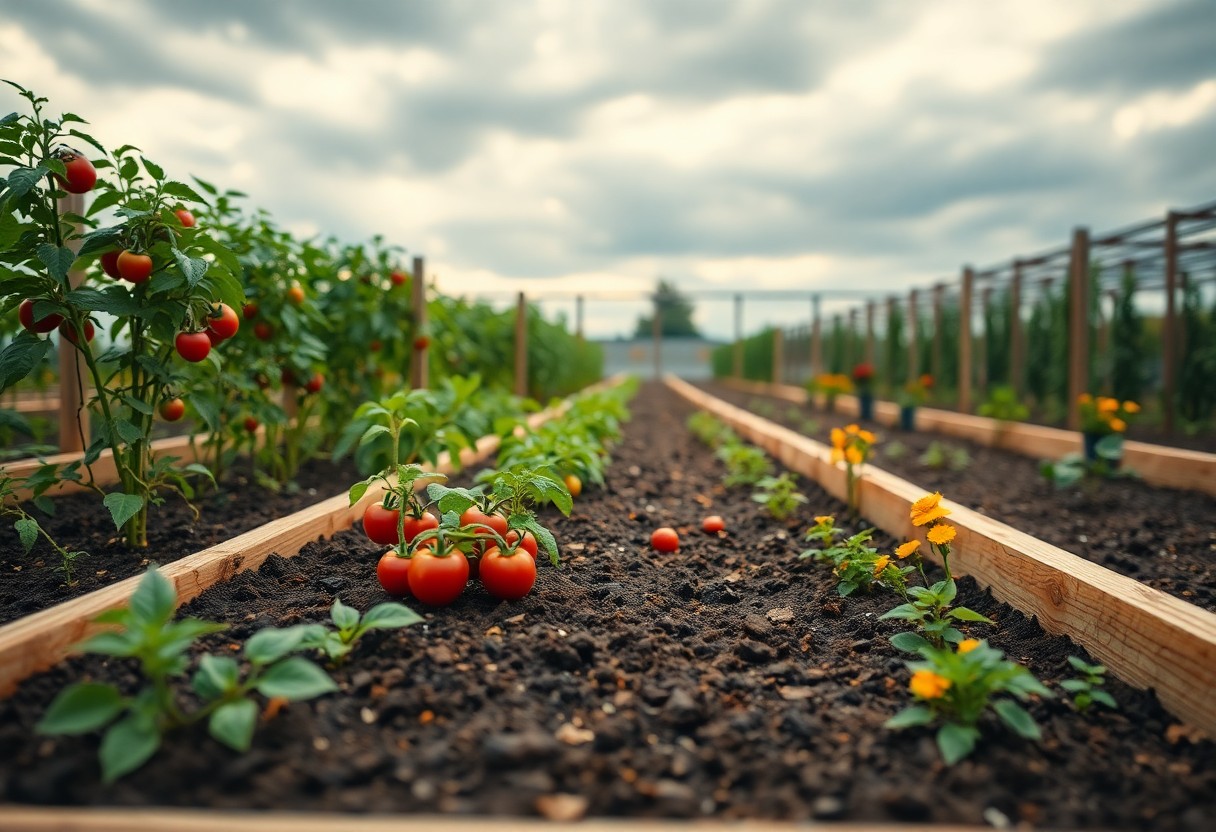
Companion planting in raised beds enhances plant growth and deters pests by leveraging beneficial relationships between different species. By strategically pairing plants, such as tomatoes with basil or carrots with onions, you can optimise space and promote healthy development. This method not only increases your harvest but also fosters a balanced ecosystem in your garden, making it more resilient and productive throughout the year.
Enhancing Growth and Flavor
When you incorporate companion planting in your raised beds, you can significantly enhance both growth and flavour. For instance, planting marigolds alongside your vegetables can attract pollinators and enrich the soil, leading to more robust and tastier crops. This symbiotic relationship encourages plants to thrive together, resulting in a more bountiful harvest.
Pest Control Techniques
Effective pest control techniques are vital when utilising companion planting. By pairing plants that repel specific pests, you can reduce the reliance on chemical pesticides. For instance, planting garlic near roses can deter aphids, while nasturtiums act as a trap crop for black flies, thereby protecting your main crops.
For more effective pest control, consider implementing intercropping methods where you plant pest-resistant varieties alongside vulnerable crops. This creates a diverse environment that confuses pests and reduces their spread. Additionally, employing physical barriers like row covers can protect sensitive plants while allowing beneficial insects to access your raised beds. By combining these techniques with companion planting, you’ll create a sustainable and productive garden ecosystem.
Year-Round Care and Maintenance
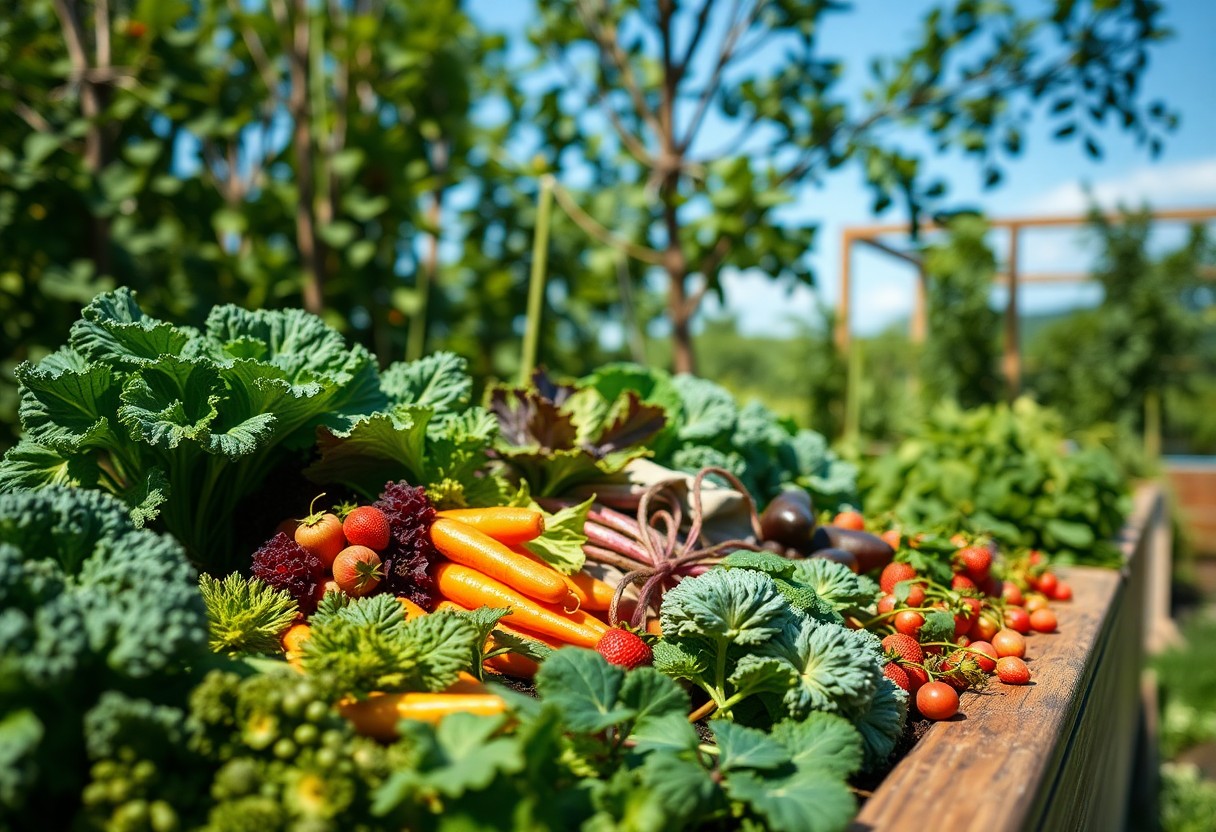
Maintaining a thriving raised bed garden requires consistent attention throughout the year. Regular watering, weeding, and pest management are crucial tasks to ensure your crops remain healthy and productive. Mulching can help retain soil moisture and suppress weeds, while crop rotation enhances soil health and reduces disease. Keep an eye on the specific needs of each plant type to optimise their growth cycles.
Soil Fertility Management
Healthy soil is the backbone of successful gardening. Regularly test your soil’s nutrient levels and amend it with organic matter, such as compost or well-rotted manure, to enrich its fertility. Adding specific fertilisers tailored to the needs of your crops can further promote vigorous growth and maximise yields.
Seasonal Preparations
To optimise your raised bed for each season, preparation is key. In autumn, clear away debris and consider sowing cover crops to enhance soil health over winter. Springtime should involve meticulous planning for crop rotation and soil amendments, ensuring your beds are ready to support a diverse range of plants throughout the warmer months.
In spring, prepare your raised beds by clearing out any winter debris and applying a fresh layer of compost to replenish nutrients. After assessing your soil pH and nutrient levels, amend accordingly to cater to the specific requirements of the plants you aim to grow. Rotate your crops every season to prevent soil depletion and reduce pest issues, ensuring you regularly monitor for signs of disease. Lightly tilling the soil can also improve aeration, leading to enhanced root development during the growing season.
Conclusion
So, by selecting a diverse range of crops for your raised beds, including leafy greens, root vegetables, and seasonal fruits, you can ensure a continuous harvest throughout the year. Plan your planting schedule to take advantage of different growing seasons, and consider companion planting to maximise yields and improve the health of your garden. With careful attention to soil health and proper care, your raised beds can provide you with fresh produce, enhancing both your meals and your gardening experience.
You may also like