Why Native Plants Are Key to a Sustainable Outdoor Space
Plants that are native to your region offer numerous benefits for creating a sustainable outdoor space. By incorporating them into your garden, you support local wildlife, improve soil health, and reduce water consumption. This not only enhances the beauty of your landscape but also fosters a resilient ecosystem that thrives on its own. Native plants are well-adapted to the climate and soil conditions of your area, making them easier to care for and more effective in promoting biodiversity. Embracing native flora allows you to cultivate a harmonious relationship with your environment.

Key Takeaways:
- Native plants support local wildlife by providing food and habitat, enhancing biodiversity.
- They require less water, fertiliser, and maintenance, leading to more sustainable gardening practices.
- Native species are better adapted to local soil and climate conditions, reducing the likelihood of pest issues and increasing resilience.
Understanding Native Plants
Familiarising yourself with native plants is crucial for creating a sustainable outdoor space. Native plants are those that occur naturally in a particular region, having adapted to the local climate and soil conditions. By choosing to incorporate native species in your landscape, you contribute to biodiversity and help maintain the ecological balance. For more insights, you can explore Going Native: the Sustainable Choice.
Definition of Native Plants
Native plants are species that have evolved in a specific geographic area over thousands of years. They are not introduced or cultivated varieties but rather the flora that naturally occurs in your region, adapted to withstand local environmental conditions like climate, soil, and insects.
Benefits of Planting Native Species
Planting native species offers numerous advantages, including lower maintenance costs. Native plants typically require less water, fertiliser, and pesticides, making them more economical and environmentally friendly. They also provide habitat and food for local wildlife, supporting the entire ecosystem.
Incorporating native plants into your garden benefits not only your landscape but also the broader environment. Studies have shown that gardens featuring native flora attract more pollinators, such as bees and butterflies, which are crucial for crop production. Moreover, these plants establish deeper root systems, aiding in soil stability and water retention, reducing runoff. Opting for native species not only enhances the beauty of your garden but also boosts its ecological resilience, making your outdoor space truly sustainable.
Ecosystem Health
Integrating native plants into your outdoor space enhances overall ecosystem health, fostering a balanced environment. By supporting local wildlife and plant communities, you create a resilient habitat. Native plants are adapted to local soil and climate conditions, which reduces the need for chemical inputs, thereby minimising negative impacts on surrounding ecosystems. A thriving ecosystem not only benefits biodiversity but also promotes natural pest control and pollination, which are important for a robust garden.
Biodiversity Preservation
Emphasising native plants is vital for preserving biodiversity. By planting species native to your region, you provide food and shelter for local wildlife, including pollinators crucial for food production. The reduction of non-native species also mitigates competition, allowing indigenous flora and fauna to thrive. Each native species plays a unique role, contributing to a balanced ecosystem and enhancing resilience against environmental changes.
Soil and Water Conservation
Native plants improve soil structure and water retention, making them invaluable for conservation efforts. Their deep-root systems minimise erosion and promote the healthy cycling of nutrients, which is important for plant growth. Furthermore, by retaining moisture, native plants reduce the need for irrigation, which is particularly important in regions facing water scarcity.
For instance, deep-rooted native grasses can absorb and retain significant amounts of rainfall, significantly reducing runoff and improving water quality. In a study conducted by the Nature Conservancy, landscapes incorporating native plants demonstrated a 30% improvement in water retention compared to those dominated by non-natives. By selecting appropriate native species for your landscape, you not only enrich soil health and conserve water but also create an environment conducive to sustainable gardening practices.
Wildlife Support
Native plants play a vital role in supporting local wildlife, providing crucial resources such as food and shelter. By cultivating these plants in your outdoor space, you create an inviting habitat for various species to thrive, contributing to biodiversity and fostering a healthy ecosystem. The presence of native flora encourages a vibrant community of insects, birds, and other animals, enhancing the natural beauty and ecological integrity of your garden.
Attracting Pollinators
By incorporating native plants, you naturally attract a diverse array of pollinators, including bees, butterflies, and hummingbirds. These species are crucial for pollinating around 75% of the world’s flowering plants, including many of the crops you rely on for food. Native flowering plants, which have evolved alongside these pollinators, provide the nectar and pollen they need, ensuring a healthy relationship that benefits both the wildlife and your garden.
Providing Habitat for Local Fauna
Native plants offer shelter and nesting sites for a variety of local fauna, allowing birds, insects, and small mammals to establish their homes within your garden. This harmonious arrangement fosters a thriving ecosystem where species can find food, protection, and breeding grounds. The structure and composition of native plants create layers of habitat, promoting safety and encouraging various animals to flourish.
Forinstance, densely planted areas filled with native shrubs and grasses can serve as excellent cover for small mammals, while larger flowering plants provide nesting sites for birds. Some native trees are particularly beneficial, enabling cavity-nesting species to find crucial homes. By designing your outdoor space with these elements in mind, you enhance the chances of attracting and sustaining local wildlife, ultimately benefiting the entire ecosystem. Emphasising the native plant community not only aids conservation efforts but also enriches your garden’s biodiversity.
Climate Resilience
Incorporating native plants into your outdoor space significantly enhances climate resilience. These plants have evolved alongside local climates and landscapes, making them more adept at surviving extreme weather fluctuations. Their inherent adaptability ensures that your garden remains vibrant and thriving, even amidst unpredictable weather patterns associated with climate change.
Drought Resistance
Native plants exhibit remarkable drought resistance due to their deep root systems and ability to store water. Their adaptation to local conditions allows them to thrive in dry periods, requiring less irrigation than non-native species. By including these plants, you not only save water but also contribute to more sustainable gardening practices.
Adaptation to Local Climate Conditions
Native plants possess unique adaptations that allow them to flourish in your specific climate conditions. By selecting species that align with local temperatures, soil types, and rainfall patterns, you create a resilient garden that can endure heat waves, cold snaps, and shifting moisture levels without the need for excessive intervention.
For instance, in areas with high summer temperatures, native plants such as Lavender or Agastache thrive, showcasing heat tolerance. Similarly, choosing species like Bluebell or Wood Anemone in cooler, damp regions ensures your garden flourishes during rainy periods. These plants have evolved resilience strategies such as thicker leaves and deeper roots, allowing them to efficiently use available resources while minimising their reliance on external watering or fertilisation. This not only supports a stable ecosystem but also reduces maintenance efforts on your part.
Aesthetic and Functional Design
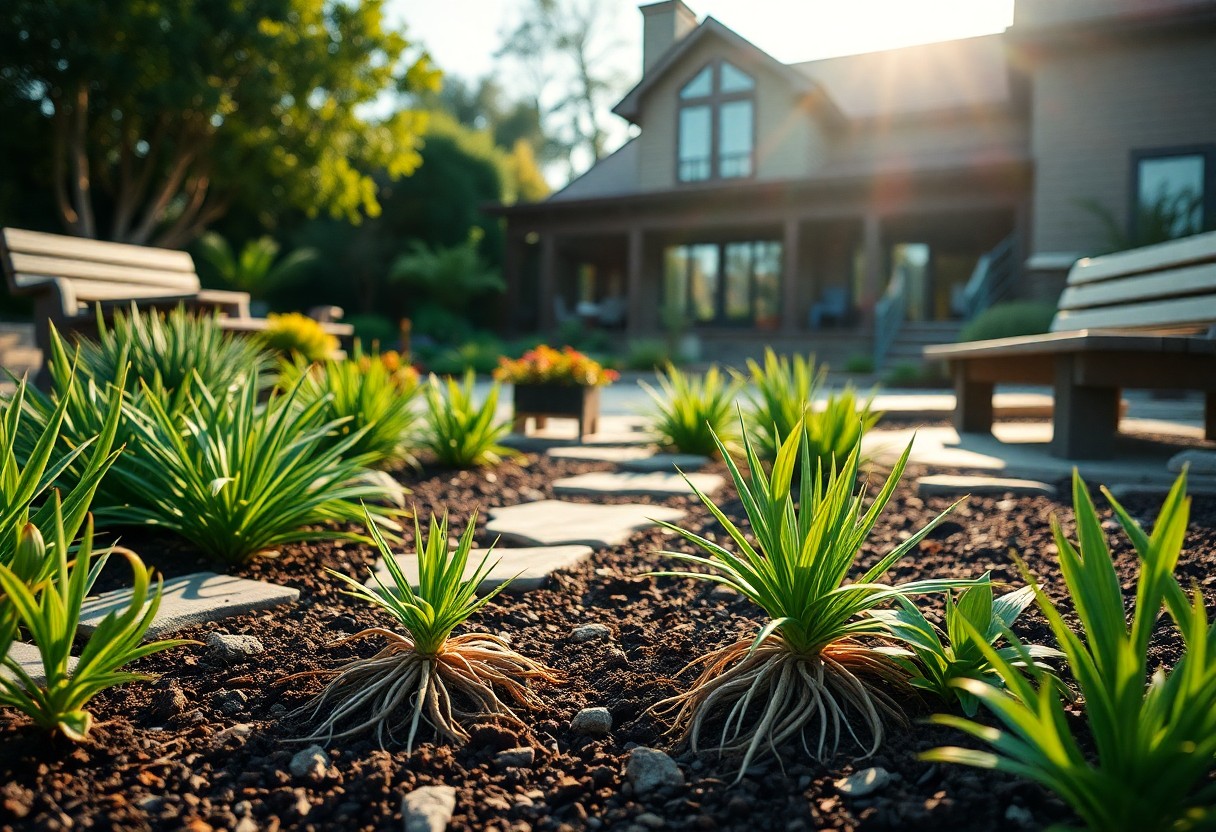
Designing an outdoor space that is both aesthetically pleasing and functional can be effortlessly achieved with native plants. These species often possess unique characteristics and cultural significance that resonate with local landscapes. By blending native plants into your design, you not only enhance visual appeal but also create a cohesive environment that supports local biodiversity. This balance between beauty and functionality is imperative for modern landscaping, encouraging a deeper connection with nature.
Landscaping with Native Plants
Incorporating native plants into your landscaping can transform your garden into a vibrant, sustainable space. By selecting species that are well-adapted to your local environment, you ensure that your garden thrives with minimal maintenance. Native grasses, wildflowers, and shrubs not only provide habitat for wildlife but also serve as attractive focal points throughout the seasons.
Seasonality and Color
Embracing the seasonality and colour palette of native plants enhances the dynamic nature of your outdoor space. Choosing plants that bloom at various times throughout the year ensures your garden remains lively and engaging, with bursts of colour that shift with the seasons. This natural rhythm not only supports local ecosystems but also invites you to appreciate the beauty of changing landscapes.
For instance, consider planting species like the vibrant purple Agastache in summer and the golden hues of Solidago in autumn. These plants provide continuous visual interest while attracting pollinators year-round. The deliberate selection of native plants can lead to a garden that not only flourishes aesthetically but also reinforces the ecological processes that sustain it, allowing you to experience nature’s ever-evolving spectacle right at your doorstep.
Community and Education
Engaging local communities with native plant initiatives fosters a sense of ownership and connection to the natural environment. By participating in native plant workshops or community gardens, you not only contribute to biodiversity but also help cultivate a community spirit rooted in sustainability. This collective effort can lead to shared knowledge, reinforcing the importance of preserving local ecosystems.
Involving Local Communities
Involving local communities in native planting projects can lead to increased biodiversity and enhanced social cohesion. You can organise planting days, where residents gather to restore local habitats, fostering teamwork and shared purpose. Such initiatives often result in deeper appreciation for local flora and fauna while building relationships among participants, thereby strengthening community ties.
Educational Opportunities
Educational opportunities surrounding native plants can significantly enrich your local environment. Workshops, guided walks, and school programmes designed around indigenous plants enlighten you about their benefits. Various organisations often lead these educational initiatives, providing resources and expertise to help you understand native species better and their role in sustainable practices.
In many regions, local environmental groups offer hands-on workshops that probe into the identification and preservation of native plants. Imagine joining a guided foraging trip where you learn to recognise edible species or participating in a workshop aimed at designing wildlife-friendly gardens. Schools are increasingly incorporating native plant studies into science curricula, allowing students to explore ecology in their own backyards. This practical engagement not only reinforces theoretical knowledge but also empowers you and younger generations to advocate for sustainable practices that nurture both the environment and community spirit. Such initiatives can lead to a stronger, more informed community ready to protect local ecosystems.
To wrap up
So, by choosing native plants for your outdoor space, you enhance biodiversity, support local ecosystems, and reduce maintenance efforts. Native species are adapted to your local environment, requiring less water and chemical inputs, thereby promoting sustainability. You can contribute to a healthier planet while enjoying a naturally beautiful garden. Explore more about Why Native Plants? and make informed choices for your landscape.
You may also like