Planning Your Garden for Maximum Yield
Garden planning is important for enhancing productivity and ensuring you make the most of your space. By understanding your specific site conditions and selecting the right plants, you can maximise your yield throughout the growing season. Consider factors such as crop rotation, companion planting, and soil health to optimise your garden’s potential. For expert insights, check out How We Take the Guesswork Out of Garden Planning.
Key Takeaways:
- Analyse your garden space to optimise layout and sunlight accessibility.
- Select complementary plants to enhance growth and deter pests naturally.
- Implement crop rotation and diverse planting to maintain soil health and maximise yields.

Understanding Your Garden Space
Your garden space plays a vital role in determining what you can grow and how successful your yield will be. By evaluating the size, shape, and layout of your garden, you can maximise its potential. Consider any obstacles, such as trees or buildings, that may limit your growing area, and plan accordingly to create an efficient design that optimises plant growth and harvest. Take the time to understand these elements before entering into planting.
Analyzing Sunlight and Shade
Sunlight directly impacts plant growth, making it vital to assess how much sun your garden receives throughout the day. Take note of sun patterns and shaded areas caused by trees or structures. Most vegetables thrive in full sun, requiring six to eight hours of direct sunlight daily. Recognising these patterns will help you position your plants optimally for growth and abundance.
Assessing Soil Quality and Drainage
Quality soil is the foundation of a productive garden. Test your soil to ensure it has the right pH and nutrient levels for the specific plants you wish to grow. Additionally, assess drainage by observing how quickly water drains after a heavy rain. Poor drainage can lead to root rot, while overly compacted soil hinders seedling development. Aim for a loamy texture, rich in organic matter to foster healthy plant development.
To assess soil quality and drainage effectively, conduct a simple “soil squeeze” test. Take a handful of moist soil and squeeze it tightly; if it crumbles easily, you likely have good drainage. Conversely, if it remains compact and muddy, consider amending it with organic matter such as compost and peat. Incorporating these materials not only improves drainage but also enhances nutrient retention, setting your garden up for maximum yield.
Choosing the Right Plants
Selecting the right plants is vital for maximising your garden’s yield. Focus on varieties that thrive in your local climate and soil conditions, ensuring that their growth potential aligns with your gardening goals. Research staple crops like tomatoes, potatoes, and beans, which are known for their high productivity and adaptability. Don’t overlook the potential of heirlooms and native species, as they often provide unique flavours and resilience against local pests and diseases.
Seasonal Plant Selection
Timing is key in seasonal plant selection. Choose crops that match the specific seasons in your area—cool-weather plants like kale and spinach thrive in early spring and autumn, while warm-season varieties such as peppers and courgettes flourish during the summer months. Staggering your planting times can ensure continuous harvests, allowing you to enjoy fresh produce throughout the growing season.
Companion Planting for Enhanced Yield
Companion planting involves strategically placing different plants together to improve growth and yield. For instance, planting basil alongside tomatoes not only enhances flavour but also repels pests. Similarly, intercropping carrots with onions can deter unwanted insects. These combinations can lead to healthier plants and higher productivity in limited garden space.
Research shows that companion planting can boost yields by up to 20%. For example, the classic trio of tomatoes, basil, and marigolds forms a beneficial relationship; marigolds attract pollinators while repelling nematodes that threaten tomatoes. Incorporating plants like beans can also enrich the soil through nitrogen fixation, benefiting neighbouring crops. By understanding these synergies, you can create a thriving ecosystem in your garden that maximises yield with minimal input.

Garden Layout Strategies
Smart garden layout strategies can significantly influence your yield. By considering the space you have and the plants you wish to cultivate, you can optimise the arrangement for maximum growth and productivity. Efficient design takes into account sunlight exposure, water drainage, and accessibility, ensuring not only a healthy garden but also ease of maintenance. Techniques such as companion planting and crop rotation further enhance your layout, breeding a space that flourishes season after season.
Row Gardening vs. Raised Beds
Row gardening typically involves planting in long, straight lines, which is beneficial for larger crops and allows for easy tilling and weeding. Conversely, raised beds provide a contained environment that improves drainage and soil quality while reducing weed pressure. Your choice may depend on factors such as available space, soil health, and the types of plants you wish to grow, with raised beds often offering better control over growing conditions.
Vertical Gardening Techniques
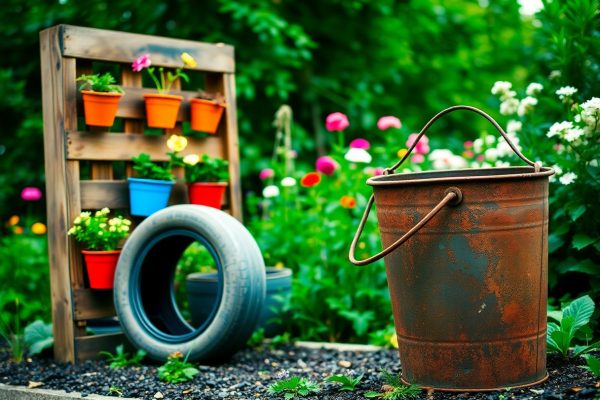
Vertical gardening leverages height to maximise space, allowing you to grow a variety of plants in limited areas. This technique is especially beneficial in urban gardens, where ground space is often scarce. By utilizing trellises, wall planters, and hanging pots, you can cultivate climbing plants or herbs while also enhancing the aesthetics of your garden.
This technique not only saves ground space but also enables plants to receive more sunlight, improving air circulation and reducing disease risks. For instance, growing tomatoes or cucumbers on trellises allows you to harvest easily while keeping the vegetables off the ground. Consider incorporating elements like vertical planters or shelves to create an attractive and productive garden display that can be accessed conveniently.
Soil Preparation and Fertilization
Effective soil preparation lays the foundation for a flourishing garden. Start by testing your soil to determine its pH and nutrient levels, ensuring it aligns with the needs of your chosen plants. Incorporating organic matter such as compost enhances soil structure, moisture retention, and nutrient availability. Additionally, consider tilling the soil to aerate it and promote root growth. Regular fertilisation based on soil tests will provide the necessary nutrients for optimal plant development, ultimately boosting your garden’s yield.
Soil Amendments for Optimal Growth
To achieve optimal growth, soil amendments are vital in enhancing the fertility and structure of your soil. Add organic substances like well-rotted manure or compost, which improve aeration and nutrient content. Consider incorporating specific minerals such as dolomitic lime to adjust pH, or green manures which can enrich the soil during fallow periods. By tailoring your soil amendments, you create a thriving environment for plant roots, leading to better yields and healthier plants.
Organic vs. Synthetic Fertilizers
The debate between organic and synthetic fertilizers revolves around their impact on plant health and environmental sustainability. Organic fertilizers, derived from natural sources, improve soil health long-term, while synthetic options deliver immediate nutrient boosts to your plants. Understanding the specific benefits and drawbacks of each can help you make informed decisions that suit your gardening goals.
Organic fertilizers typically release nutrients slowly, promoting sustained plant growth and reducing the risk of nutrient leaching into waterways. They enhance soil microbiome health, fostering biodiversity vital for long-term garden vitality. In contrast, synthetic fertilizers can provide a quick solution for nutrient deficiencies but may lead to over-fertilisation, which can harm plant roots and negatively affect soil health. Balancing both types, depending on your garden’s specific needs, can optimise yields while maintaining environmental integrity.
Watering and Irrigation Practices
Effective watering and irrigation practices are important for encouraging robust plant growth and maximising yield. Implementing a systematic approach to water management will ensure your plants receive the right amount at the right time, preventing both water stress and wasteful depletion of resources.
Methods for Efficient Watering
Utilising methods such as drip irrigation and soaker hoses can significantly enhance water efficiency in your garden. These techniques deliver water directly to the root zone, reducing evaporation and runoff. Additionally, consider capturing rainwater in barrels to supplement your irrigation, promoting sustainability and reducing water costs.
Timing and Frequency Considerations
Establishing a consistent watering schedule based on your plants’ needs is vital for optimal growth. Watering early in the morning or late in the afternoon reduces evaporation and allows plants to absorb moisture effectively. Typically, most garden plants benefit from around 1 inch of water per week, adjusting based on rainfall and temperature conditions.
Monitoring environmental conditions will guide your watering frequency. During hot spells, you may need to increase intervals, while cooler, overcast days might require less. Soil moisture checks can also help; if the top inch feels dry, it’s time to water. Keep an eye on newly planted varieties, as they may require more frequent watering until established. Adopting these practices will lead to healthier plants and a bountiful harvest.
Pest and Disease Management
To maintain a productive garden, effective pest and disease management is crucial. Regular monitoring for signs of infestations or illness allows you to take timely action. Employing a mix of strategies can greatly reduce the impact of pests and diseases on your crops, ensuring they remain healthy and yield plentiful harvests.
Integrated Pest Management Techniques
Utilising integrated pest management (IPM) techniques will help you mitigate pest problems while promoting ecological balance. This approach combines monitoring, biological control, and selective use of pesticides when necessary, reducing reliance on chemicals. For example, introducing beneficial insects like ladybugs can naturally control aphid populations without harming your plants.
Preventative Measures for Healthy Plants
Adopting preventative measures is key to nurturing healthy plants and minimising pest interactions. Crop rotation, interplanting, and proper spacing not only promote growth but also deter pests. Additionally, ensuring adequate air circulation and moisture control can thwart disease development before it starts.
Implementing preventative measures involves practical actions, such as selecting disease-resistant plant varieties and maintaining proper garden hygiene, like removing debris and fallen leaves. Regularly inspecting your plants for early signs of issues will empower you to act swiftly. Furthermore, using organic mulches can enhance soil health while deterring weeds and pests, fostering a balanced ecosystem in your garden. Pair these practices with tailored watering and fertilisation strategies to boost plant resilience against diseases and infestations.
Final Words
Following this guideline will ensure you optimise your garden for maximum yield. By assessing your space, selecting the right crops, and implementing efficient planting techniques, you can significantly enhance productivity. Consider incorporating companion planting and crop rotation for improved health and output. For a comprehensive guide, visit How to Plant a Raised Bed Vegetable Garden with High … to explore further strategies that can help you achieve a thriving garden.
FAQ
Q: What is the best layout for a productive garden?
A: A productive garden layout often includes a combination of raised beds, rows, and vertical gardening techniques. Raised beds can improve drainage and soil quality, while rows allow easy access for maintenance. Including vertical elements helps maximise space, especially for climbing plants.
Q: How can I maximise yield in a small garden space?
A: To maximise yield in a small garden, consider planting intensively and using companion planting techniques. Incorporate multi-storey planting, where taller plants support smaller ones underneath. Container gardening can also be beneficial, allowing for greater flexibility and utilisation of limited space.
Q: What types of crops should I choose for maximum yield?
A: Select high-yield crops that are suitable for your climate and soil type. Consider faster-growing varieties, such as salad greens and radishes, as well as crops that produce abundantly, like tomatoes and courgettes. Rotating crops annually can also help maintain soil health and maximise production.
Q: How important is soil quality in maximising garden yield?
A: Soil quality is very important for maximising garden yield. Healthy soil rich in organic matter provides important nutrients for plants. Performing regular soil tests allows gardeners to amend soil as needed, ensuring optimal pH and nutrient levels are maintained for healthier, more productive plants.
Q: What is the role of companion planting in garden yield?
A: Companion planting can significantly enhance garden yield by providing natural pest control, improving pollination, and optimising space. Certain plants can benefit one another when grown together; for instance, planting marigolds near vegetables can deter pests while promoting a healthier ecosystem in the garden.
You may also like