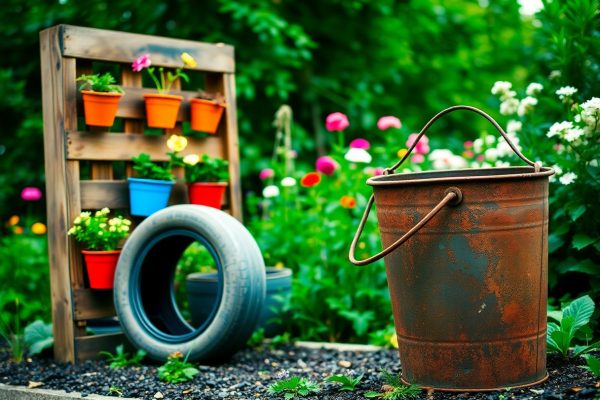
Starting a Herb Garden at Home
Most aspiring gardeners find that starting a herb garden at home is an accessible and rewarding venture. Herbs not only enhance your culinary creations but also provide fresh, aromatic additions to your living space. By selecting the right herbs and understanding their growing requirements, you can create a thriving garden in pots, raised beds, or even a small indoor setup. This guide will provide you with crucial tips and insights to ensure your herb garden flourishes and flourishes, bringing joy and flavour to your kitchen.
Key Takeaways:
- Choose a suitable location with adequate sunlight and protection from harsh weather.
- Opt for easy-to-grow herbs like basil, parsley, and mint for beginners.
- Use quality soil and proper containers to ensure healthy growth.
Benefits of Growing Herbs at Home
Growing herbs at home offers numerous advantages, from enhanced flavour in your dishes to increased convenience and cost-effectiveness. Fresh herbs elevate recipes, adding depth and vibrancy, while the convenience of picking them from your garden saves trips to the store. Additionally, many herbs possess medicinal properties, promoting overall wellness. For a more thorough exploration, consider checking out the Herb Garden 101 Guide? : r/vegetablegardening.
Health Benefits
Herbs are often packed with antioxidants, vitamins, and minerals, contributing to better health. For instance, basil can reduce inflammation while rosemary has been linked to improved memory. Integrating herbs into your diet not only enhances your meals but also supports your body’s natural defences, making them a valuable addition to your daily nutrition.
Culinary Uses
Herbs are incredibly versatile in the kitchen, elevating both simple dishes and complex recipes. From a sprinkle of fresh parsley on a soup to a handful of basil in pasta sauces, herbs can transform flavours and aromas. You can also use them in marinades, dressings, and teas, enriching various meals and beverages.

Choosing the Right Herbs
Selecting the right herbs is vital for a thriving garden. Consider your cooking preferences and daily usage; herbs like basil, mint, and rosemary not only add flavour but are also relatively easy to grow. Assess your available space, whether indoors or outdoors, as some herbs flourish better in pots, while others prefer garden beds. The climate and growing conditions in your area will influence your choices, so it’s wise to align your selections with what thrives in your environment.
Popular Herbs for Beginners
For novice gardeners, basil, parsley, and chives are excellent choices. Basil is a versatile herb that enhances many dishes, while parsley adds a fresh touch to salads and garnishes. Chives provide a mild onion flavour and are perfect for seasoning. These herbs are forgiving and can be grown in pots or directly in the garden, making them ideal for those just starting.
Climate and Growing Conditions
Your local climate plays a significant role in herb selection. Most herbs prefer ample sunlight, ideally receiving at least six hours a day. Additionally, well-draining soil is necessary to prevent root rot. Understanding the specific temperature and humidity levels in your area helps in determining which herbs can thrive. For instance, Mediterranean herbs like thyme and rosemary favour dry, warm conditions, while others like mint appreciate more moisture and partial shade.
Assess the climate characteristics of your region before planting. For instance, if you live in a cooler area, consider starting your herbs indoors or choosing hardier varieties that withstand lower temperatures. Additionally, local frost dates are significant; ensuring that you plant after the last frost will enhance your herbs’ chances of thriving. Customising your herb choices to suit your specific conditions lays a solid foundation for a successful garden.

Planning Your Herb Garden
Planning is necessary for successful herb gardens, requiring consideration of your space, climate, and personal preferences. Assess where your herbs will thrive, taking into account factors like sunlight, drainage, and accessibility. Start by selecting your favourite herbs and determining how much space they will need, ensuring your garden is both functional and attractive. This involves visualising your garden layout while accounting for future growth and maintenance needs.
Container vs. Ground Planting
When deciding between container and ground planting, consider your available space and the types of herbs you wish to grow. Containers offer flexibility and mobility, allowing you to control soil quality and conditions, while ground planting can provide a larger space for herbs to flourish. If you opt for containers, ensure they have proper drainage and are made of materials that can retain heat, enhancing your herbs’ growth.
Garden Layout Tips
Creating an efficient garden layout will optimise your growing experience. Consider grouping herbs with similar light and water requirements, which simplifies care routines. Utilise vertical space with hanging pots or trellis systems for climbing herbs, and leave ample pathways to facilitate access. You might want to raise beds for drainage and ease of maintenance, better elevating your herbs while keeping them within reach. The arrangement should not only look aesthetically pleasing but also provide practical benefits for harvesting and upkeep.
- Group together herbs with similar sunlight and watering needs.
- Incorporate vertical planting to optimise space.
- Use raised beds for easier access and better drainage.
- Plan pathways for easy movement within the garden.
- The overall layout should balance aesthetic appeal and functionality.
Regularly assess your garden layout as plants mature. This ensures that your herbs receive adequate space to grow while keeping your garden organised. Incorporate elements such as companion planting, which not only enhances growth but aids in pest control. The arrangement should be flexible, allowing you to adapt as your herbs develop and your preferences change.
- Regularly evaluate and adjust your layout to accommodate plant growth.
- Integrate companion planting for benefits beyond aesthetics.
- Consider colour and texture to make your garden visually appealing.
- Use signage or labels to identify different herbs easily.
- The right layout can significantly improve the productivity and enjoyment of your garden.
Planting Your Herbs
Once you’ve selected your herbs, it’s time to plant them. Timing is key, as herbs thrive when planted at the right moment, usually in spring after the last frost. Ensure you prepare your soil properly, enriching it with organic matter to foster robust growth. Space your herbs adequately to promote airflow and reduce competition for nutrients, allowing each plant to flourish.
Seed Selection and Germination
Choosing quality seeds is imperative for a successful herb garden. Opt for organic seeds from reputable suppliers to ensure better germination rates. Follow specific germination instructions for each herb, as some may require soaking or a warm environment. Generally, sow seeds at the recommended depth and keep the soil consistently moist to encourage sprouting.
Transplanting Seedlings
Transplanting seedlings at the right time can make a significant difference in your herb garden’s success. As seedlings develop, watch for true leaves, indicating they are ready for transplantation. Choose a cloudy day or transplant in the evening to minimise stress on the plants. Gently remove the seedlings from their containers, taking care not to disturb the roots, and place them into prepared soil, ensuring proper spacing for growth.
When moving seedlings, it’s vital to acclimatise them to their new environment. Start by introducing them to outdoor conditions gradually, known as hardening off. Over a week, increase their exposure to sunlight and outdoor temperatures to reduce transplant shock. This process enables the seedlings to adapt, encouraging them to establish stronger roots once planted in your garden. Once they are well-acclimatised, ensure consistent watering without over-soaking to support their growth as they settle into their new home.
Caring for Your Herb Garden
Caring for your herb garden is vital for ensuring healthy growth and abundant harvests. Regular maintenance will keep your herbs thriving, allowing you to enjoy their flavours and benefits. Focus on key areas such as watering, fertilising, pest control, and disease management to create a flourishing environment for your plants.
Watering and Fertilising
Consistent watering is necessary, but ensure you do not overdo it; herbs prefer well-drained soil. Water deeply once or twice a week, adjusting based on weather conditions. Fertilising every four to six weeks with a balanced organic fertiliser can boost growth. Be cautious not to over-fertilise, as this can lead to excessive foliage and less flavour.
Pest Control and Disease Management
To keep your herb garden healthy, regularly inspect for pests and diseases, acting promptly to address any issues. Common pests such as aphids and snails can be managed through natural remedies or organic pesticides. Maintaining good air circulation and avoiding waterlogged soil are vital for preventing fungal diseases.
Pest control can be enhanced by introducing beneficial insects like ladybirds, which feed on aphids. You might also consider companion planting; for example, planting basil alongside tomatoes can deter certain pests. Identifying issues early on ensures your herbs remain healthy. For diseases, ensuring proper spacing between plants increases airflow, reducing disease risk. Organic solutions, such as neem oil, can effectively combat infestations while safeguarding your harvest. Regularly monitoring your plants is key to maintaining a vibrant herb garden.
Harvesting and Using Your Herbs
To make the most of your home herb garden, understanding how to harvest and use your herbs effectively is important. Proper harvesting techniques can boost flavour and aroma, while knowing how to preserve your herbs will allow you to enjoy their benefits long after the growing season ends.
When and How to Harvest
Harvesting your herbs at the right time is key to maximising their flavour. Generally, you should pick herbs in the morning after the dew has dried but before the sun scalds the leaves. Use clean, sharp scissors to snip the top third of the plant, promoting growth while ensuring you leave enough foliage for the plant to thrive.
Preserving Herbs for Later Use
To keep your herbs fresh and vibrant for future use, several preserving methods can be employed. Common techniques include drying, freezing, or making herb-infused oils and vinegars. Each method has its own benefits, allowing you to tailor the preservation process to your culinary needs.
When drying herbs, hang them upside down in a cool, dark place to retain their flavours, or use a dehydrator for quicker results. Freezing works well; simply chop your herbs and place them in ice cube trays with water or oil. This captures their freshness for later use in soups, stews, or sauces. Infused oils and vinegars can add a unique flavour to your dishes and are perfect for gifting. By exploring these methods, you can ensure that your hard work in the garden provides enjoyment year-round.
To wrap up
Taking this into account, starting a herb garden at home can greatly enhance your culinary experiences and provide a sense of satisfaction. By selecting the right herbs suitable for your space and climate, you can cultivate fresh ingredients that elevate your cooking. Regular care and attention will ensure a thriving garden, allowing you to enjoy the benefits of home-grown herbs. Embrace this rewarding endeavour and discover the joy of incorporating your harvest into everyday meals.
FAQ
Q: What herbs are easiest to grow at home?
A: Some of the easiest herbs to grow at home include basil, mint, chives, parsley, and thyme. These herbs thrive in various conditions and are forgiving for beginners.
Q: How much sunlight do herb plants need?
A: Most herbs require at least 6-8 hours of direct sunlight each day. A sunny windowsill or a garden spot that receives plenty of light is ideal for herb growth.
Q: Should I grow herbs indoors or outdoors?
A: Both options are viable. Indoor herbs can be grown on windowsills or in pots, while outdoor herbs thrive in a garden bed or containers, provided they have adequate sunlight and protection from extreme weather.
Q: How do I care for my herb garden?
A: Care for your herb garden by ensuring proper watering, allowing the soil to dry slightly between watering sessions. Prune regularly to encourage growth and prevent overgrowth. Fertilise with a balanced fertiliser during the growing season.
Q: How can I use my home-grown herbs?
A: Home-grown herbs can be used in a variety of ways, such as in cooking to enhance flavours, in teas for added health benefits, or as garnishes for dishes. They can also be dried or frozen for later use.
You may also like