How to Attract Butterflies with a Vibrant Flower Garden
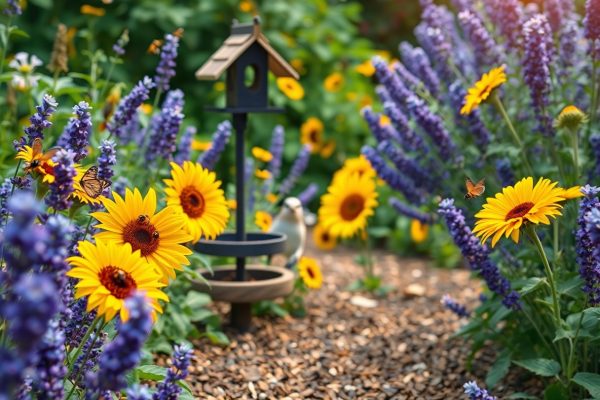
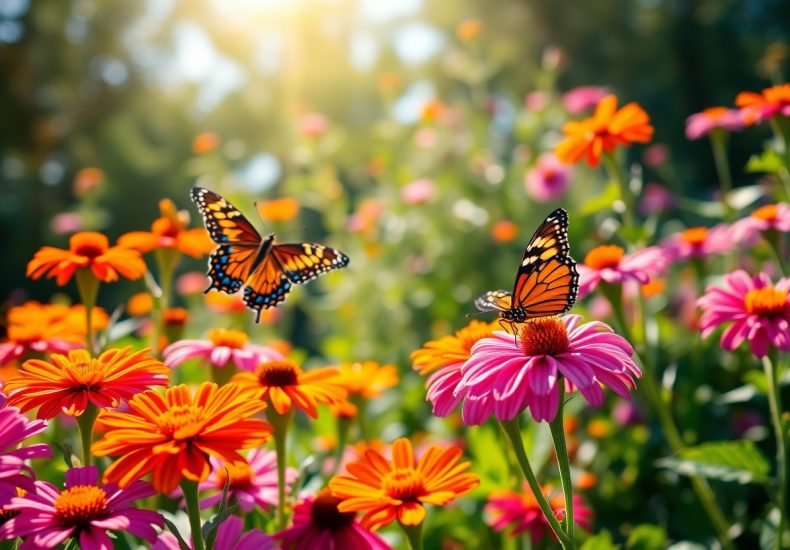
Over time, you can transform your garden into a haven for butterflies by selecting the right mix of plants and flowers. By planting a diverse range of nectar-producing blooms, you create an inviting habitat that supports these beautiful creatures. This guide will provide you with imperative tips to cultivate a vibrant flower garden that attracts butterflies, ensuring your outdoor space becomes a lively ecosystem brimming with colour and life.
Key Takeaways:
- Choose a variety of nectar-rich flowers to provide a continuous bloom throughout the season.
- Include native plants to create a habitat that supports local butterfly species.
- Ensure to have some sheltered areas for butterflies to rest and sunbathe, such as rocks or low shrubs.
Understanding Butterfly Preferences
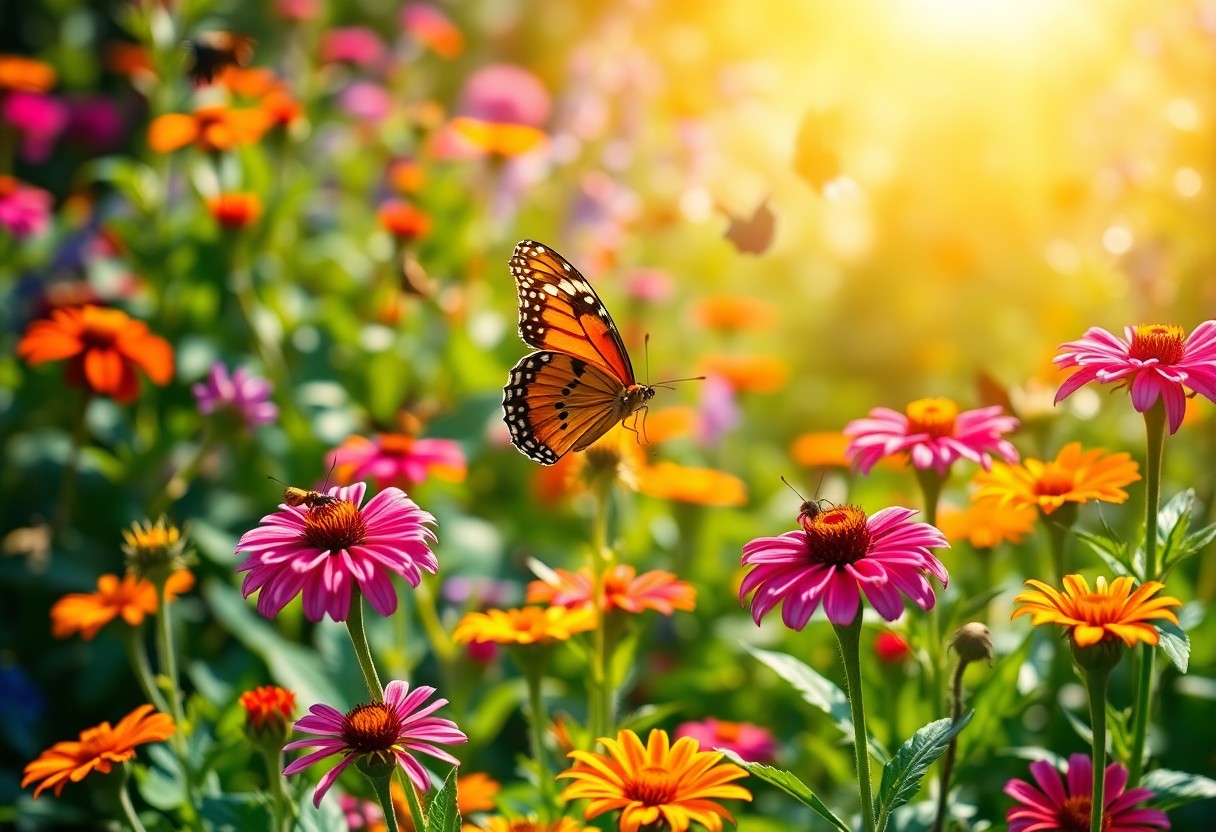
To create an alluring haven for butterflies, it’s vital to comprehend their preferences. Butterflies are drawn to specific types of flowers that provide nectar, colour, and fragrance. When choosing blooms for your garden, consider the local butterfly species and their habits. You’ll want to incorporate a diverse range of flowers that bloom at different times to ensure a continuous food source throughout the seasons.
Types of Flowers Butterflies Love
Butterflies are particularly attracted to the following types of flowers:
- Milkweed
- Butterfly bush
- Echinacea (cone flower)
- Lantana
- Catmint
Thou should consider mixing these to create a vibrant display.
| Flower Type | Butterfly Attraction |
| Milkweed | Host plant for Monarchs |
| Butterfly bush | Rich in nectar |
| Echinacea | Wide appeal to various species |
| Lantana | Long blooming season |
| Catmint | Strong scent attracts many butterflies |
Importance of Colour and Fragrance
The grandeur of a butterfly garden lies not just in the variety of flowers but also in their colours and fragrances. Bright colours like red, orange, yellow, and purple tend to attract butterflies. Equally important, a sweet fragrance can entice these creatures from a distance, guiding them to your blooms. By selecting flowers with appealing scents and hues, you enhance your garden’s attractiveness and create a sensory experience that appeals to these delicate pollinators. Specific colours can trigger certain behaviours, making strategic choices vital for successful butterfly gardening.
Selecting the Right Location
Positioning your flower garden strategically is necessary for attracting butterflies. Look for areas with ample sunlight, as these insects thrive in warm environments. Additionally, consider the proximity to existing plants and natural habitats to ensure a seamless integration into their environment. You’ll want to avoid overly windy corners, opting instead for sheltered spots where butterflies can comfortably visit your blooms without excessive disturbance.
Sunlight Considerations
Butterflies require sunlight to regulate their body temperature, so aim for a location that receives at least six hours of direct sunlight per day. Spaces with morning sunlight are particularly beneficial, as they help butterflies warm up early in the day, increasing their activity and likelihood of visiting your garden. Ensuring your plants soak up the sun will encourage a vibrant and lively butterfly presence.
Creating Shelter and Water Sources
To support butterflies, include elements that provide shelter from wind and predators, such as shrubs or tall grasses. Moreover, incorporating small, shallow water sources can be beneficial; butterflies need hydration, and they often prefer spots where they can safely land and drink. A simple dish filled with water, a rock for perching, or a small puddling area can significantly enhance your garden’s appeal.
Providing shelter and water sources creates a welcoming environment for butterflies. Select native plants that naturally offer protection, such as lavenders or ornamental grasses. Additionally, consider installing a shallow bird bath or moist sand areas to act as puddling sites, where butterflies can absorb necessary minerals and water. By ensuring a calm and nurturing landscape, you’ll encourage longer visits and increased butterfly populations attracted to your vibrant blooms.
Designing Your Flower Garden
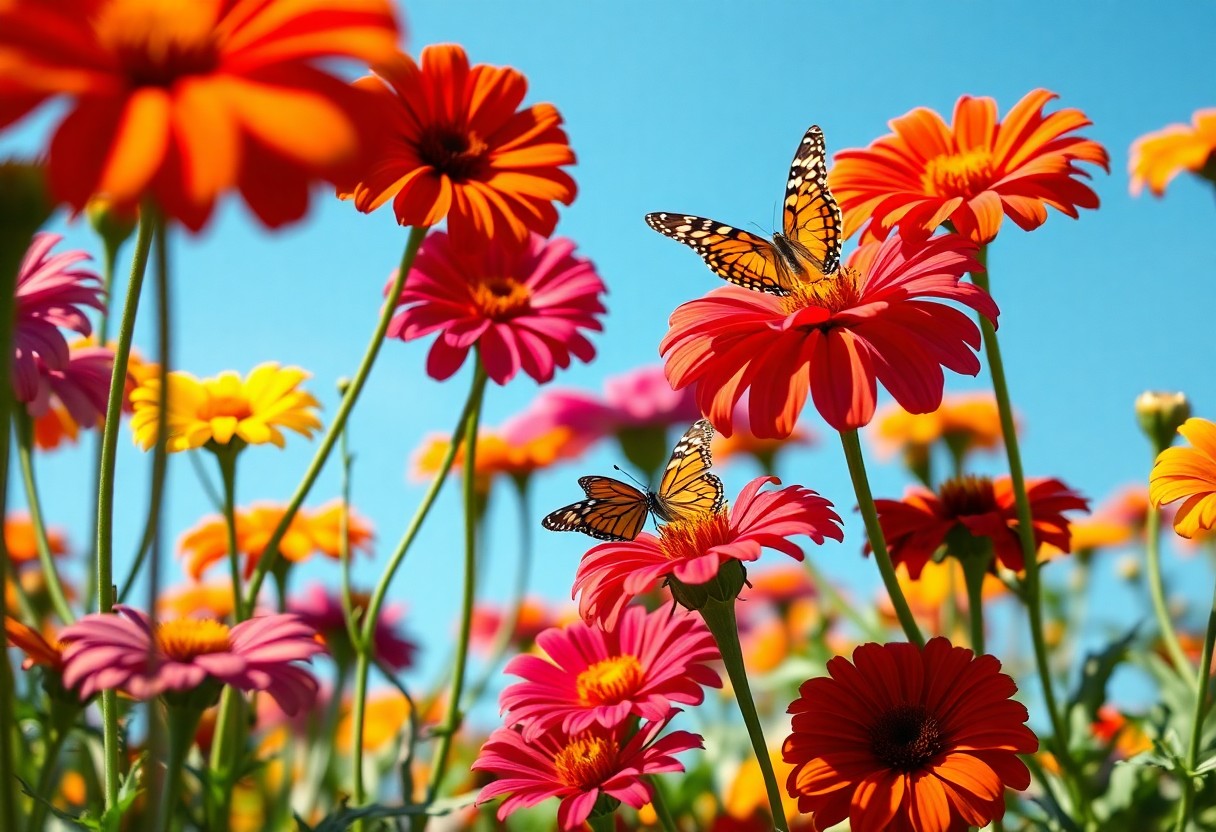
In crafting a flower garden that captivates butterflies, consider the garden’s layout and aesthetics. A well-designed space not only attracts these delicate creatures but also enhances your outdoor environment. Incorporate varied shapes and pathways to enhance visibility and accessibility for butterflies while ensuring your garden resonates with your personal style. Mixing flower types, colours, and heights will create a vibrant tapestry that provides both beauty and function.
Layering for Visual Appeal
Layering your plants is important for creating a visually appealing garden. By placing taller plants at the back and shorter ones at the front, you ensure that every flower can be appreciated. This technique not only draws the eye but also creates micro-environments that butterflies thrive in, as they prefer diverse landscapes where they can hide from predators while feeding.
Planting for Continuous Bloom
To keep butterflies returning throughout the season, select plants that bloom at different times. By doing this, you can ensure a continuous source of nectar and sustenance. Aim to include a mixture of early, mid, and late-season flowers. For instance, combine crocuses and daisies with asters and sunflowers to provide a sustained food supply from spring to autumn.
Planting for continuous bloom invites a variety of butterflies to your garden as it mirrors their natural feeding patterns. Choose flowers like lavender, butterfly bush, and coneflower, which attract different butterfly species across various months. Furthermore, consider the life cycle of butterflies; planting host plants, such as milkweed for Monarchs, alongside nectar-rich blooms enhances your garden’s appeal and supports their reproduction. By staggering your planting times and incorporating a range of blooms, you create a vibrant sanctuary that butterflies will frequent throughout the warmer months.
Choosing Companion Plants
Selecting the right companion plants can enhance your garden’s attractiveness to butterflies. Choose a mix of native plants and vibrant flowers, ensuring you include nectar-rich varieties. This can help create a continuous bloom throughout the seasons. Consider visiting this resource for 10 Colorful Annual Flowers that Attract Butterflies to expand your choices and enhance your garden’s butterfly appeal.
Herbs and Other Flora
<p Incorporating herbs such as lavender, mint, and sage can significantly benefit your butterfly garden. These plants not only provide nectar but also serve as a habitat for butterfly larvae. Planting a mix of flowering herbs can create a delightful scent and a vibrant display, enhancing the garden's aesthetic while serving as a reliable food source for these beautiful insects.
Avoiding Pesticides and Harmful Chemicals
Your butterfly-friendly garden must be free from harmful pesticides and chemicals. These substances can adversely affect not only butterflies but also beneficial insects that contribute to your garden’s ecosystem. Opt for organic gardening methods, such as natural pest deterrents, to promote a healthy environment. Fostering biodiversity by introducing a variety of plants helps keep pest populations in check without harmful chemicals, ensuring butterflies thrive in your garden.
Using organic control methods like neem oil or introducing natural predators, such as ladybirds, can effectively manage pests. It’s advisable to regularly monitor your plants for any signs of infestations and tackle issues promptly, preventing the need for harsh treatments. Your dedication to maintaining a chemical-free garden will create a welcoming space for butterflies and nurture a balanced ecosystem, promoting longevity in your garden’s vibrancy.
Maintenance Tips for a Thriving Garden
Proper maintenance is important for a vibrant flower garden that attracts butterflies. Regular weeding ensures that your plants receive adequate nutrients and water without competition. Watering during dry spells supports plant health, while a layer of mulch helps retain moisture and suppress weeds. Additionally, keep an eye out for pests and diseases, addressing any issues promptly to maintain garden vitality. Assume that a little consistent care goes a long way in creating a haven for butterflies.
Pruning and Deadheading
Regular pruning and deadheading are vital to keep your garden looking its best and encourage more blooms. By removing spent flowers, you stimulate new growth and prolong flowering periods, providing continuous food sources for butterflies. For many plants, pruning back after flowering promotes a bushier growth habit, giving your garden a fuller appearance and enhancing its visual appeal.
Attracting Other Pollinators
In addition to butterflies, incorporating a variety of plants can attract other beneficial pollinators, such as bees and hummingbirds. These creatures play a significant role in your garden’s ecosystem, promoting cross-pollination and encouraging healthy plant growth. Native species are particularly effective at drawing in local wildlife, resulting in a diverse and lively garden environment.
Consider plants like lavenders, bee balm, and coneflowers, which are favourites among bees and other insects. These species not only enhance the aesthetic of your garden with their striking colours and fragrances but also support a balanced ecosystem. When you provide habitats and food sources for all pollinators, you create a thriving and harmonious garden that flourishes with life, benefiting both your plants and wildlife. Aim for continuous blooming species to ensure you have pollinators visiting throughout the growing season.
Observing and Enjoying Your Garden
Once your vibrant flower garden begins to flourish, take the time to observe and enjoy the diverse butterfly visitors it attracts. Use a comfortable seat or blanket to sit quietly among your flowers, allowing the butterflies to flutter around you, creating a peaceful atmosphere. You can discover various species and their unique behaviours by staying still and observing closely. For tips on attracting butterflies with specific plants, check out How to Attract Butterflies in 9 Easy Ways.
Best Times for Butterfly Watching
The best time for butterfly watching is typically during the warmest part of the day, between 10 am and 4 pm. On sunny, calm days, butterflies are more active and will be seen flitting from flower to flower. The peak season for observing butterflies generally falls during late spring to early autumn, when flowers are in bloom and nectar is abundant.
Encouraging Interaction with Nature
Encouraging interaction with nature can deepen your appreciation for wildlife. Engaging your senses is key—encourage children and adults alike to touch the flowers, listen to the buzzing bees, and observe the butterflies closely. You can also introduce simple activities like butterfly counting or journaling to enhance the experience, fostering a greater connection to the natural world and its intricate balance.
To further engage with nature, consider organising butterfly-watching events or workshops in your garden. This could include guided tours for children or adults, teaching them about butterfly species and their habitats. Equip participants with binoculars or notepads, encouraging them to document their findings. Such interactive activities not only promote environmental awareness but also build communal ties while celebrating the joy of wildlife right in your own garden.
To wrap up
Now that you understand the importance of creating a vibrant flower garden, you can take steps to attract butterflies by selecting native plants, offering a variety of colours and shapes, and providing a suitable habitat. Ensure your garden includes nectar-rich flowers and host plants for caterpillars, while avoiding pesticides that harm these delicate creatures. By cultivating an inviting environment, you will not only enhance the beauty of your garden but also support the crucial role butterflies play in our ecosystem.
You may also like