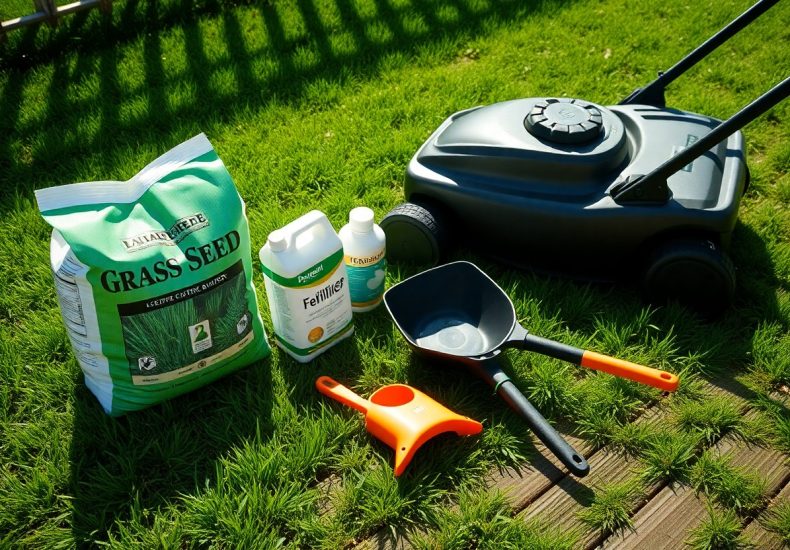
Lawn Care Essentials – From Seeding to Mowing
You have the power to transform your garden into a stunning green oasis with effective lawn care techniques. From choosing the right seeds for your soil type to mastering the art of mowing, understanding each step in the process will ensure a lush and healthy lawn. This guide will equip you with crucial tips and best practices, helping you achieve a vibrant outdoor space that enhances the beauty of your home.
Key Takeaways:
- Proper soil preparation enhances seed germination and lawn health.
- Regular mowing at the correct height promotes lawn thickness and health.
- Consistent watering and fertilisation are vital for maintaining lush green grass.
Understanding Soil Health
Healthy soil is the foundation of a vibrant lawn. It affects nutrient availability, water retention, and overall plant vitality. By understanding the characteristics of your soil, you can implement the necessary practices to enhance its health, leading to a flourishing lawn. Regular soil testing helps you identify deficiencies and tailor your care routine effectively, ensuring that your grass thrives throughout the seasons.
Soil Composition
Your soil is composed of mineral particles, organic matter, air, and water. The ideal lawn soil typically contains a balance of sand, silt, and clay, known as loam. This balance influences drainage and nutrient retention. Testing your soil composition can reveal its texture and help you make informed decisions on amendments, such as compost or sand, to optimise its structure for robust grass growth.
pH Levels and Nutrient Balance
The pH level of your soil significantly affects nutrient availability for your lawn. Most grasses thrive in slightly acidic to neutral soil, with ideal pH levels ranging from 6.0 to 7.0. A pH outside this range can limit key nutrients such as nitrogen, phosphorus, and potassium, leading to poor grass growth and increased susceptibility to pests and diseases.
The nutrient balance correlates directly with your lawn’s pH level. For instance, if your soil is too acidic, you may notice deficiencies in vital nutrients, which can stunt growth and yellow the grass. To maintain optimal pH, conduct regular soil tests and amend your soil appropriately, using lime to raise pH or sulphur to lower it. Effective nutrient management ensures your lawn has access to the vital elements it needs to flourish.

Selecting the Right Grass Seed
Choosing the right grass seed is fundamental for establishing a healthy lawn. The selection process should consider not only the aesthetic qualities but also your specific regional conditions, including climate, soil type, and intended lawn use. Researching various grass seed mixtures designed for your environment will yield the best outcomes, ensuring robust growth and longevity.
Grass Types for Different Climates
Different climates play a significant role in determining which grass type will thrive in your garden. Choosing a species aligned with your local weather conditions will enhance growth and resilience.
- Cool-season grasses, such as Kentucky bluegrass, excel in northern climates.
- Warm-season grasses, like Bermuda, prefer the southern regions.
- Transition zone grasses adapt well to both cool and warm climates.
- Consider the drought tolerance of your chosen grass type.
- The right choice will promote a lush, green lawn year-round.
| Grass Type | Best Climate |
| Kentucky Bluegrass | Cool, northern |
| Bermuda Grass | Warm, southern |
| Perennial Ryegrass | Cool, transitional |
| Zoysia Grass | Warm, transitional |
Factors to Consider for Seed Selection
When dicking out grass seed, you should evaluate several factors, including soil type, light conditions, and how much foot traffic your lawn will experience. Different grass varieties have unique requirements that directly affect their growth patterns and resilience.
- Consider the sunlight exposure your lawn receives daily.
- Assess the soil pH and texture for compatibility with chosen seeds.
- Evaluate your lawn’s expected usage for durability needs.
- Think about seasonal rainfall patterns in your area.
- This will enable a well-informed choice for optimum lawn performance.
Choosing the right seed requires an understanding of your lawn’s specific conditions. For instance, shaded areas benefit from shade-tolerant varieties, while sunny spots can showcase more aggressive growth types. Each choice you make should align with your lawn’s environment and usage requirements.
- Conduct soil tests to better understand nutrient needs.
- Research available seed blends tailored for local conditions.
- Monitor existing flora for insights on top-performing varieties.
- Plan for seasonal changes affecting grass growth patterns.
- This knowledge ensures a successful establishment of your desired lawn type.
Seeding Techniques
Understanding seeding techniques is vital for establishing a thriving lawn. You need to choose between broadcast seeding, slit seeding, or overseeding based on your yard’s condition. Each method has its advantages, but for tailored guidance, consult the Lawn Seeding Guide + AI Grass Seed Picker Tool.
Best Practices for Planting
For optimal results, begin by ensuring your soil is well-aerated and free from debris. Sow seeds at the recommended rate, typically between 15 to 20 seeds per square inch, and lightly rake them into the soil. This creates good seed-to-soil contact, enhancing germination chances.
Watering and Germination
Maintain consistent moisture in the soil during the germination phase. Initially, water lightly but frequently to prevent seed washout. Aim for about 2.5 cm of water each week, adjusting based on rainfall. Once the grass reaches about 7.5 cm, you can reduce watering frequency while increasing depth to encourage deep root growth.
Effective watering practices are crucial during germination as they promote strong root development. Start with daily misting to keep the soil damp without over-saturating it. After the initial weeks, transition to deeper watering sessions less often; this encourages roots to grow down into the soil rather than staying near the surface. Regular monitoring of soil moisture will guide you in adjusting your watering schedule, ultimately leading to a robust lawn ready to thrive.

Fertilization Fundamentals
Fertilisation is important for promoting healthy growth and ensuring a lush, green lawn. By replenishing nutrients that your soil may lack, you enhance the overall appearance and resilience of your grass. Understanding the different types of fertilisers, when to apply them, and the proper techniques will help you achieve optimal results.
Types of Fertilizers
Fertilisers come in various forms, each serving distinct purposes. The main types include:
- Granular fertilisers
- Liquid fertilisers
- Slow-release fertilisers
- Organic fertilisers
- Synthetic fertilisers
Recognising the right type for your lawn can significantly influence its health and growth.
| Type | Features |
| Granular | Easy to apply, slow release |
| Liquid | Quick absorption, frequent application |
| Slow-release | Steady nutrient supply, less risk of burning |
| Organic | Environmentally friendly, improves soil health |
| Synthetic | Fast-acting, higher nutrient concentration |
When and How to Fertilize
Choosing the right timing for fertilisation can significantly enhance the growth and health of your lawn. Typically, the best times to fertilise are in early spring and autumn. During these periods, your grass is actively growing, allowing for maximum nutrient uptake. Apply fertilisers when the soil is moist, ideally just before watering or after rainfall, to ensure effective absorption.
To apply fertilisers effectively, follow the manufacturer’s instructions regarding application rates and frequency. Initially, consider testing your soil to determine the specific nutrient deficiencies. Spreading fertiliser evenly across your lawn can prevent over-fertilisation in certain areas, which may harm your grass. Regularly assess your lawn’s growth and adjust your fertilisation schedule accordingly, ensuring you respond to its needs.
Effective Lawn Watering Strategies
Understanding the right approaches to watering your lawn enhances its overall health and resilience. Proper watering not only supports robust growth but also conserves water and reduces instances of disease. Implementing effective strategies ensures that your lawn receives the moisture it needs without unnecessary waste.
Irrigation Methods
Choosing the right irrigation method is vital for reaching every part of your lawn effectively. Drip irrigation systems deliver water directly to the root zone, minimising evaporation and runoff. Alternatively, sprinkler systems, particularly oscillating ones, evenly distribute water over larger areas. Hand watering is another option for precise targeting but is more time-consuming. Assess your lawn’s size and layout to select the most suitable approach.
Watering Schedule and Depth
Establishing a consistent watering schedule is imperative for optimal lawn health. Typically, watering early in the morning is most effective, allowing grass blades to dry throughout the day, reducing disease risk. Aim for about 1 to 1.5 inches of water per week, adjusting for rainfall. Water deeply but infrequently to encourage deeper root growth, ensuring your grass thrives even during drier periods.
A deeper understanding of your lawn’s watering needs can significantly enhance its vitality. When you water, aim for a soil depth of 15 to 20 cm, allowing roots to access moisture as they grow. Monitor your lawn’s response to watering, adjusting your frequency based on seasonal changes. Using a rain gauge can help track water input, ensuring you meet the 1 to 1.5 inches weekly guideline effectively. This precise approach fosters a healthy, drought-resistant lawn, equipped to thrive in varying weather conditions.
Mowing Tips for a Healthy Lawn
Mowing is an vital practice for maintaining a vibrant and lush lawn. By following key tips, you can promote growth and prevent damage. Ensure your mower blades are sharp, mow when the grass is dry, and alternate mowing patterns to avoid soil compaction. Regular mowing encourages thick grass while discouraging weeds.
- Mow at the right height for your grass type
- Keep mower blades sharp
- Vary your mowing patterns
- Don’t remove more than one-third of the grass height at once
Knowing these tips will help you achieve a healthier lawn.
Mowing Height Guidelines
Mowing height is vital for your lawn’s health. The ideal height varies by grass type; generally, you should aim for 2.5 to 4 inches. Cutting grass too short can stress it and leave it vulnerable to diseases and weeds. Additionally, taller grass shades the soil, retaining moisture and creating a healthier growing environment.
Equipment Maintenance
Proper equipment maintenance extends the life of your tools and ensures effective mowing. Regularly check and clean your mower before each use, focusing on the blades and air filters. Change the oil and spark plug as per manufacturer recommendations, and keep the mower deck free of grass clippings to prevent rust.
Maintaining your equipment involves more than just cleaning; it includes regular inspections. Check the wheels for wear and tear, ensuring smooth movement and even cutting. Lubricate moving parts to enhance performance and avoid unnecessary friction. Investing time in these practices will reduce the likelihood of breakdowns and enhance your mowing efficiency, contributing to a healthier lawn in the long run.
Conclusion
From above, you can see that effective lawn care encompasses various stages, from proper seeding to systematic mowing. By understanding the imperative practices involved, you can enhance the health and aesthetics of your lawn. Regular maintenance, appropriate fertilisation, and timely mowing will ensure your grass thrives in all seasons. Invest time in learning about your lawn’s specific needs, and you’ll enjoy a vibrant, lush outdoor space that enhances your home.
FAQ
Q: What is the best time to seed my lawn?
A: The optimal time for seeding a lawn is during the spring or early autumn when temperatures are mild and there is adequate moisture. This promotes healthy germination and growth.
Q: How often should I water newly seeded areas?
A: Newly seeded areas should be watered lightly and frequently, about two to three times a day, keeping the soil consistently moist until the grass is established.
Q: What type of fertiliser should I use for a new lawn?
A: Use a starter fertiliser that is high in phosphorus to promote strong root development. Follow the application instructions on the product for best results.
Q: When is it appropriate to start mowing the new grass?
A: You should begin mowing when the grass reaches a height of about 7.5 cm (3 inches). Mow to a height of around 5 cm (2 inches) to encourage healthy growth.
Q: How can I control weeds in my lawn without damaging new grass?
A: Use a pre-emergent herbicide for weed prevention before seeding, and if necessary, apply a selective post-emergent herbicide once the grass is well-established, following product guidelines carefully.
You may also like