Growing Flowers in Shade – Top Picks for Low-Light Areas
Most gardeners assume that lush blooms are only for sunny spots, but you can create a vibrant garden even in shaded areas. By selecting the right flowers that thrive in low-light conditions, you can transform your darker corners into beautiful displays. This guide will introduce you to the best flowering plants that can flourish in the shade, ensuring your garden remains colourful and diverse throughout the seasons.
Key Takeaways:
- Certain flowering plants thrive in low-light conditions, such as astilbe, foxgloves, and hostas.
- Soil quality and moisture retention are vital for the growth of flowers in shaded areas.
- Layering plants of varying heights can enhance visual interest and maximise the use of limited sunlight.
Understanding Shade Conditions
Shade can vary significantly across gardens, influenced by factors such as the location of trees, buildings, and other structures. Understanding the specific type of shade in your garden will guide you in selecting the right plants. While some plants can tolerate light shade, others may thrive only in deep shade, and knowing the nuances enhances your chances of success.
Types of Shade
- Partial Shade: Receives 3-6 hours of direct sunlight.
- Full Shade: Less than 3 hours of sunlight daily.
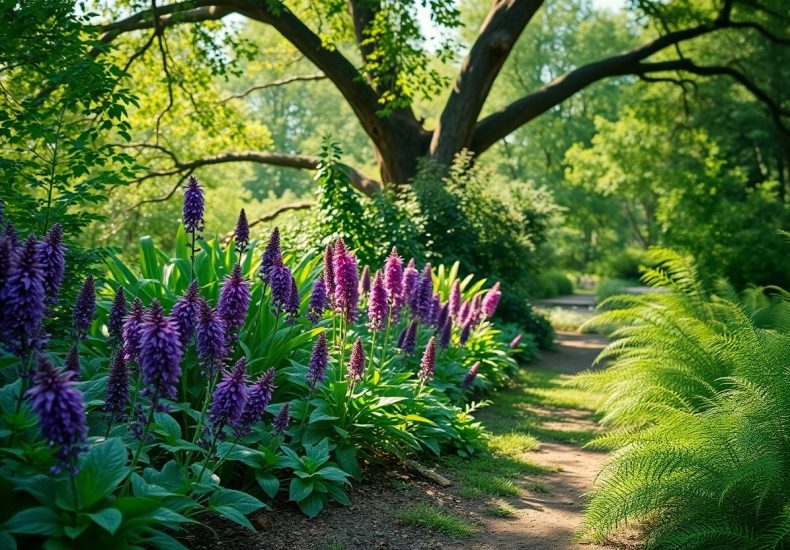
- Dappled Shade: Sunlight filters through leaves, creating patterns.
- Deep Shade: Very little to no light enters, usually under dense trees.
- Reflected Shade: Light that bounces off walls or other surfaces.
This understanding of shade types is crucial in choosing suitable flowers for your low-light spaces.
| Type of Shade | Characteristics |
| Partial Shade | 3-6 hours of sunlight per day. |
| Full Shade | Less than 3 hours of sunlight. |
| Dappled Shade | Filtered light through tree leaves. |
| Deep Shade | Little to no direct light, often densely covered. |
| Reflected Shade | Bounced light from surrounding objects. |
Assessing Your Garden’s Light Levels
Evaluating your garden’s light levels is vital for successful planting. Start by observing the area at various times throughout the day, noting the hours of direct sunlight and shifts due to shadows from surrounding structures.
Utilising a light meter can also enhance your assessment, providing accurate readings of light levels in lux. By taking notes over a week in different weather conditions, you can determine whether your garden faces partial, full, or dappled shade. Understanding these elements helps ensure you select the best flowering plants suited to thrive in your unique garden environment.
Best Flowers for Shade
When selecting flowers for shaded areas, consider options like astilbe, hostas, and hellebores that flourish with limited sunlight. These delightful plants not only add colour but also texture to your garden. For a broader selection, explore Shade Plants & Shade-Loving Flowers to find the best fit for your specific conditions.
Annuals for Low-Light Areas
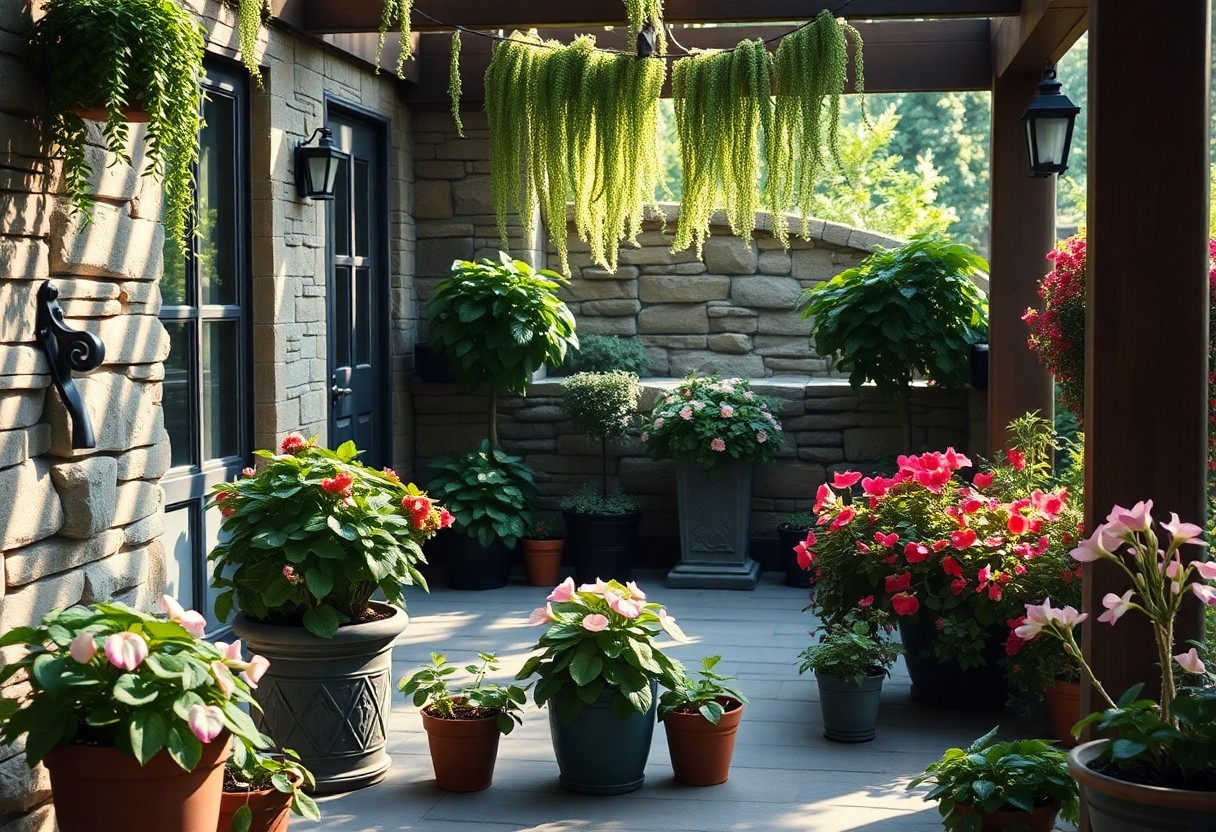
In low-light regions, you can brighten your garden with annuals like impatiens and begonias. These flowers not only resist shade but also provide vibrant blooms throughout the growing season. Their adaptability to various soil types makes them a go-to for creating eye-catching displays even in the dimmest corners of your landscape.
Perennials That Thrive in the Shade
Perennials are a fantastic choice for shaded spaces, offering resilience and longevity. Plants such as ferns, toad lilies, and heucheras establish themselves and return year after year, creating an enduring supply of colour and structure. Proper care ensures that these shade-loving perennials not only flourish but also enhance your garden aesthetics for seasons to come.
Tips for Successful Shade Gardening
To maximise the potential of your shade garden, consider these necessary tips for achieving vibrant growth. Proper plant selection is vital, favouring those specifically adapted to low-light conditions. Ensure your garden is well-organised, allowing for adequate spacing between plants to promote airflow. Regular weeding keeps competing plants at bay, while mulching aids moisture retention. For optimal results, maintain a consistent watering schedule and adjust based on seasonal rainfall. Recognising the unique needs of shade plants enhances your gardening success.
- Choose shade-tolerant plants
- Space plants for airflow
- Remove weeds regularly
- Utilise mulch for moisture retention
- Maintain a consistent watering schedule
Soil Preparation and Fertilisation
For your shade garden to thrive, start with high-quality soil that provides adequate drainage and retains moisture. Amendments like compost or well-rotted manure enhance nutrient availability, promoting healthy root development. Conducting a soil test helps you understand pH levels and necessary adjustments, ensuring your plants receive the optimal balance of nutrients. Incorporate slow-release fertiliser during planting to support growth throughout the season.
Watering and Maintenance Practices
Regular watering is imperative in shade gardening, particularly during dry spells when natural moisture may not suffice. Aim to keep the soil consistently moist, but avoid saturation, as this can lead to root rot. Mulching around your plants helps regulate moisture levels and minimise evaporation. Additionally, keep a close eye on the growth habits of your plants; some may require pruning to allow light to reach lower foliage and promote bushier growth.
In shade gardens, the importance of effective watering cannot be overstated, particularly when managing diverse plant types. For example, while some plants like ferns appreciate slightly damp soil, others may favour drier conditions. Therefore, monitoring moisture levels is key—check the soil surface for dryness before watering. When applying water, aim for the base of the plants rather than the foliage to reduce the risk of fungal diseases. Regularly reassess your watering strategy to match changing weather conditions and ensure your shade-loving plants flourish throughout the growing season.
Companion Plants for Shade Gardens
Incorporating companion plants can enhance your shade garden’s beauty and biodiversity. Pairing plants with varying heights, colours, and textures not only creates visual interest but also improves health by deterring pests and encouraging pollinators. Consider mixing flowering plants like hellebores and ferns with your shade-tolerant blooms to create a harmonious ecosystem that thrives in low-light conditions.
Foliage Plants
Foliage plants play a significant role in shade gardens, offering lush greenery that fills in the gaps. Varieties such as ferns, hostas, and ligularia provide a vibrant backdrop for more delicate flowering species. Their diverse leaf shapes and colours add depth and dimension, ensuring your garden remains visually appealing even when blooms are scarce.
Groundcover Options
Groundcover plants are ideal for suppressing weeds and establishing a lush carpet under trees and shrubs. Varieties like creeping thyme, ajuga, and barren strawberry are well-suited for shady spots, providing texture and foliage colour throughout the year.
Creeping thyme, with its fragrant foliage and beautiful purple flowers, thrives in partial shade while attracting pollinators. Ajuga, also known as bugleweed, features striking blue flower spikes and vibrant leaves that can range from bronze to green, creating an attractive blanket of colour. Barren strawberry’s low-growing habit produces charming yellow flowers and berries, making it a delightful choice. By selecting the right groundcover plants, you can ensure your shade garden remains vibrant and well-maintained with minimal effort while enhancing the overall ecosystem.
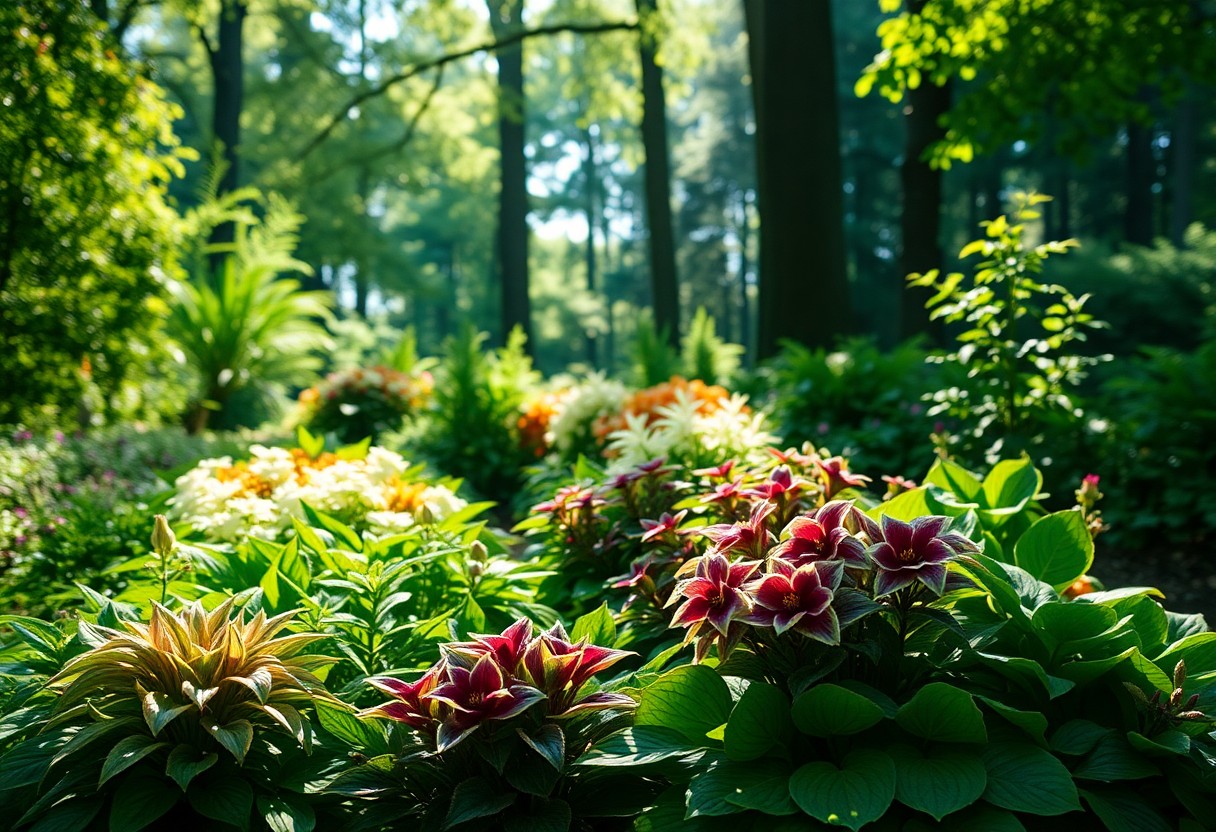
Designing a Shade Garden
Creating a successful shade garden requires thoughtful planning and design to optimise the unique conditions of low-light areas. Start by assessing the light conditions throughout your garden, as different shades can support different plants. Consider layering your garden with taller plants at the back and shorter ones at the front to create depth and visual interest. Additionally, think about seasonal variations in light exposure and how plants will thrive at different times of the year.
Layout and Plant Arrangement
When arranging plants, focus on creating a harmonious layout that promotes growth and aesthetics. Group plants with similar moisture and soil requirements together while varying textures and bloom times to keep the garden dynamic throughout the seasons. Create pathways or clusters to guide the eye and enhance accessibility, allowing you to enjoy your garden up close.
Incorporating Hardscaping Elements
Hardscaping elements, such as stones, paths, and decorative features, can significantly enhance your shade garden’s overall appeal. These structures not only provide structural support but also help define spaces, offering visual contrast against lush foliage.
Consider integrating natural stone pathways to lead visitors through your shade garden, creating a seamless blend of nature and functionality. Incorporate small seating areas made from rustic materials for relaxation amidst the greenery. Decorative features, like trellises or arbors, can also add vertical elements to your garden, serving as focal points while supporting climbing plants like clematis or ivy. When chosen thoughtfully, these hardscaping components can transform your garden into a multi-dimensional retreat, creating not just beauty but also a peaceful sanctuary in shaded spaces.
Common Challenges in Shade Gardening
Shade gardening presents unique challenges that can hinder the growth of your plants. Low light levels often lead to competition among plants for nutrients and moisture, while the cooler temperatures in shadier areas can slow down growth. Additionally, the moisture retention in these areas may encourage certain diseases, making it important to choose the right plants and implement preventative measures for your garden to thrive.
Pests and Diseases
Pests and diseases can thrive in shaded conditions, where humidity is higher and air circulation is poorer. You may encounter problems such as mildew and aphids, which can damage vulnerable species. Regular inspections of your plants can help you detect these issues early, enabling you to take appropriate action, such as using organic pesticides or introducing beneficial insects for natural control.
Nutrient Deficiencies
Nutrient deficiencies are common in shade gardens, often resulting from poor soil quality and lack of sunlight for photosynthesis. Plants in these areas may struggle to obtain important elements like nitrogen and potassium, leading to stunted growth or yellowing leaves. You should regularly amend your soil with organic matter and fertilisers specifically designed for low-light conditions to ensure your plants receive adequate nutrition.
To combat nutrient deficiencies effectively, consider conducting a soil test to identify specific deficiencies present in your garden. This allows you to tailor your amendments, using compost, well-rotted manure, or slow-release fertilisers to boost nutrient levels. Additionally, selecting shade-tolerant plants known for their ability to thrive in nutrient-poor soils can further enhance your garden’s resilience. Regular mulching can also improve soil structure and moisture retention, contributing to healthier plants overall.
To wrap up
From above, it’s clear that growing flowers in shade can enhance your garden’s aesthetic while accommodating low-light areas. By selecting plants such as hostas, astilbes, and ferns, you can bring life and colour to those challenging spots. Understanding the specific light conditions and moisture levels of your garden will further guide your choices, ensuring your shaded areas thrive. With the right picks, you can create a vibrant and beautiful atmosphere even in the dimmest corners of your outdoor space.
You may also like