Best Perennial Flowers for Low-Maintenance Beauty
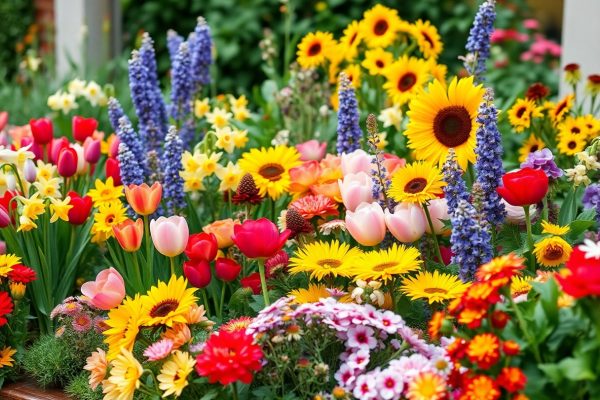
Just envision your garden flourishing with vibrant blooms that require minimal upkeep. In this guide, you’ll discover the best perennial flowers that not only elevate your garden aesthetics but also save you time and effort. You can easily create a stunning, low-maintenance landscape by choosing the right selections. For a comprehensive overview, Create A Low-Maintenance Flower Garden With 15 … to explore additional planting options and tips.
Key Takeaways:
- Choose drought-tolerant perennials such as Echinacea and Sedum for minimal care and vibrant blooms.
- Opt for native species, which are typically well-suited to local conditions and require less maintenance.
- Incorporate ground cover perennials like Ajuga to suppress weeds and reduce the need for mulch and watering.
Advantages of Perennial Flowers
Perennial flowers offer numerous benefits for any gardener seeking beauty with less effort. Once established, they return year after year, eliminating the need for replanting and providing a reliable source of colour and interest in your garden. They often require less water and maintenance compared to annuals, making them an excellent choice for those wanting a sustainable and visually appealing landscape.
Long-lasting Bloom
One of the standout features of perennial flowers is their ability to bloom repeatedly throughout the growing season. While initial flowering may be intense, many varieties continue to produce blooms, extending your garden’s vibrancy. With the right selection, you can achieve a succession of flowers that keeps your garden alive with colour well into autumn.
Cost-Effectiveness
Investing in perennials can be significantly more economical over time. Unlike annuals that need replanting each year, perennials settle in and thrive, providing continuous blooms with low upkeep. This helps reduce frequent purchasing and reduces the cost associated with annual landscaping projects.
In fact, while the initial cost of perennial plants may be higher, their longevity pays off immensely. A well-chosen perennial can last for many years, averaging a lifespan of three to five years, and some varieties may persist for decades. Moreover, you’ll save on materials like fertilisers and mulch because perennials generally require less input once established. This sustainable approach not only benefits your wallet but also the environment, fostering a garden that flourishes over time with minimal resources.
Characteristics of Low-Maintenance Perennials
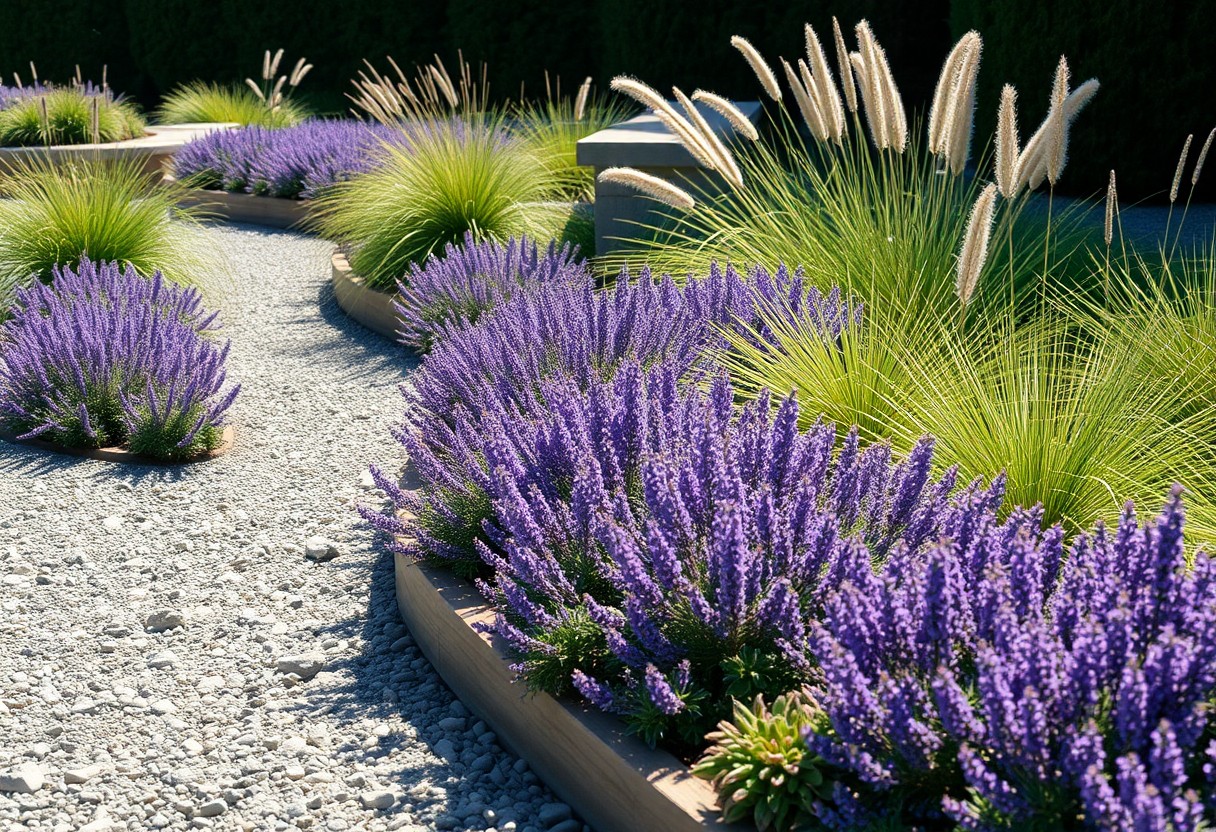
Low-maintenance perennials are distinguished by their resilience and adaptability, making them ideal for gardeners seeking beauty without excessive effort. These plants typically require minimal pruning, fertilising, or watering once established. They thrive in various soil types and conditions, ensuring you can enjoy a vibrant garden with less commitment. Moreover, their natural hardiness allows them to withstand diverse climates, proving that you can achieve stunning floral displays with ease.
Drought Resistance
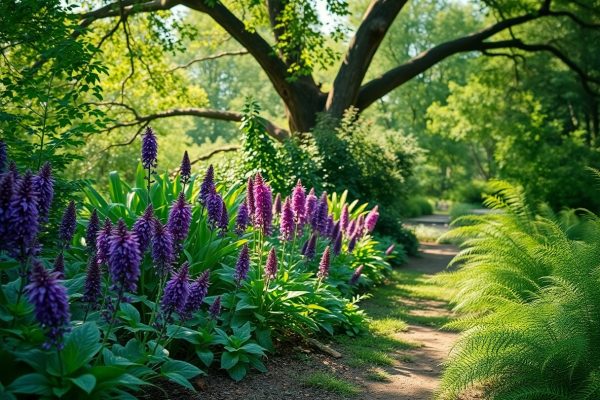
Drought-resistant perennials have evolved to survive extended periods without water, making them perfect for low-maintenance gardens. By developing deep root systems, these plants access moisture from deeper soil layers, enabling them to flourish even in dry conditions. Species like Lavender and Sedum not only conserve water but also produce beautiful blooms, ensuring your garden remains colourful throughout the growing season.
Pest and Disease Resistance
Pest and disease-resistant perennials significantly reduce the need for chemical treatments, allowing you to cultivate a healthier garden. Plants such as Echinacea and Nepeta possess natural properties that deter pests while being resilient against common diseases. This trait not only simplifies maintenance but also enhances your garden’s ecological balance, promoting beneficial insects and a vibrant ecosystem.
Choosing perennial flowers with pest and disease resistance minimises the challenges posed by unwanted visitors and ailments. For example, some varieties of Daylilies and Ornamental Grasses are known for their toughness against infestations while ensuring vibrant blooms year after year. By selecting these resilient options, you can cultivate a garden that flourishes independently, freeing you from constant vigilance. This focus on robustness not only enhances the longevity of your plants but also contributes to a sustainable gardening environment, making it easier to enjoy the beauty of nature without undue stress.
Top Low-Maintenance Perennial Flowers
Choosing low-maintenance perennial flowers can simplify your gardening experience while enhancing the aesthetic beauty of your landscape. These plants require minimal care and are known for their ability to flourish in various conditions. Below are some standout choices that will thrive with little intervention.
Daylilies
Daylilies are a robust choice for any garden, renowned for their vibrant blooms that appear in a multitude of colours. These hardy plants adapt easily to different soil types and conditions, thriving in sun or partial shade. Their resilience makes them an excellent option for busy gardeners.
Sedum
Sedum, often known as stonecrop, showcases fleshy leaves and star-shaped flowers, perfect for adding texture to your garden. Drought-tolerant and resilient, sedum requires minimal watering and care once established, making it ideal for xeriscaping or low-maintenance gardens.
Sedum varieties, such as Sedum ‘Autumn Joy’, not only bring visual interest throughout the growing season but also attract pollinators when in bloom. This perennial flourishes in well-drained soil and full sun, making it perfect for rock gardens or sunny borders. They often thrive under neglect and require minimal fertilisation, ensuring your garden remains vibrant with little upkeep.
Black-eyed Susan
Black-eyed Susans are a cheerful addition to any garden, boasting yellow petals and a dark brown centre. These perennials are incredibly adaptable, flourishing in various soil types and tolerating drought once established, thus requiring little care beyond initial planting.
This hardy flower not only adds brightness to your landscape but also attracts butterflies and other pollinators. Thrive in full sun, Black-eyed Susans create a stunning display when planted in groups. They bloom from late summer to early autumn, providing a burst of colour just when many other plants begin to fade. Their resilience against harsh conditions makes them a gardener’s favourite.
Coneflowers
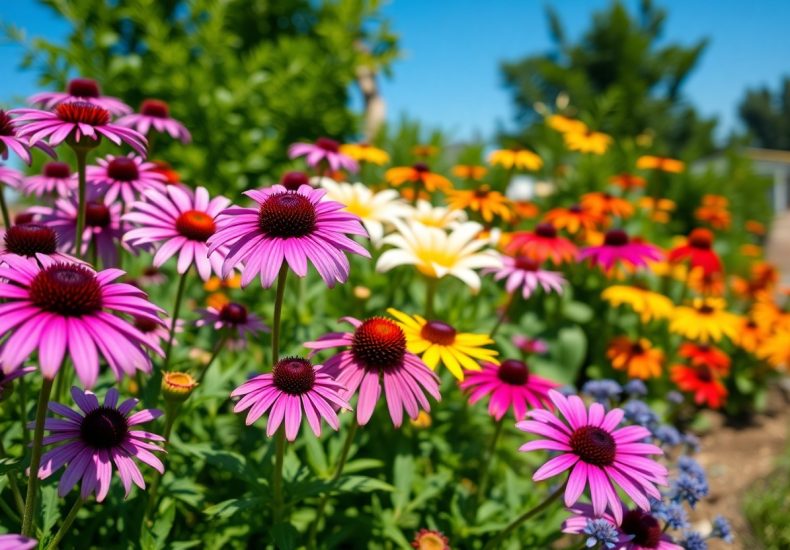
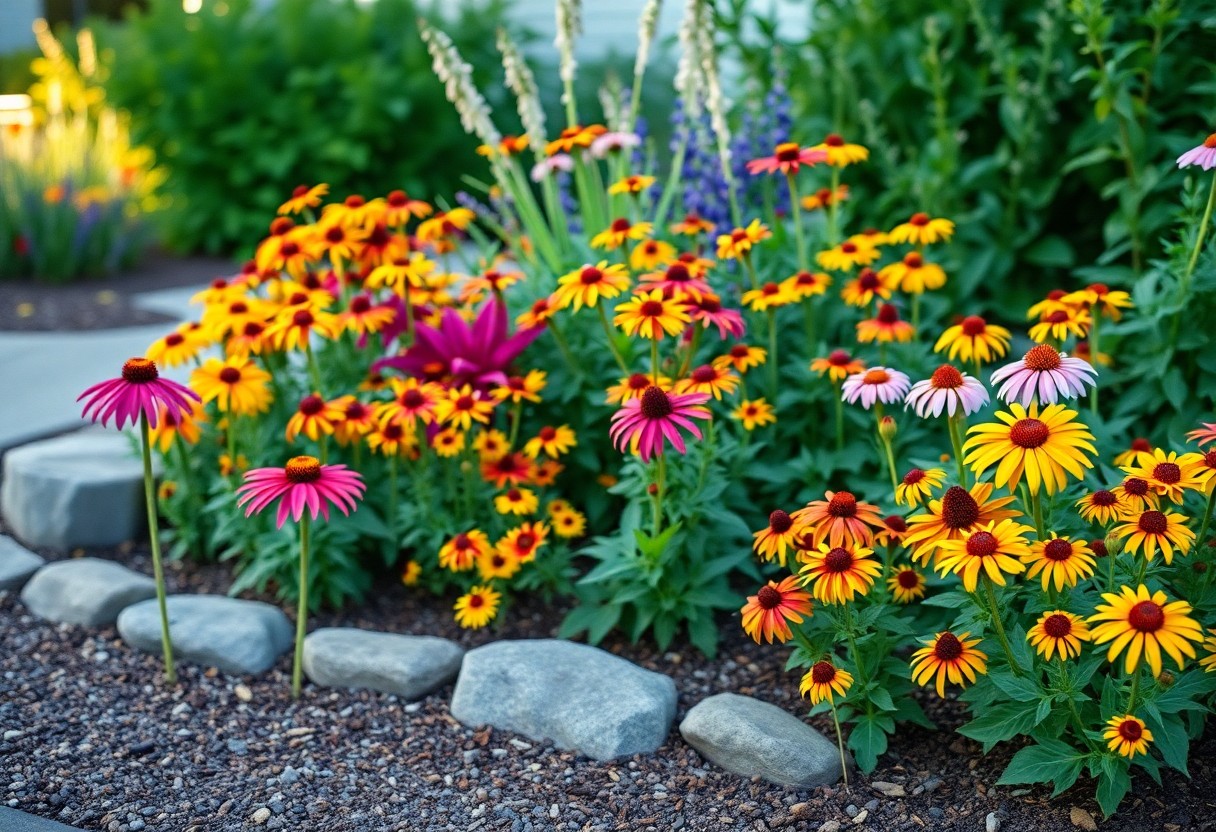
Coneflowers, or echinacea, are celebrated for their striking blooms and medicinal properties. They stand out with their daisy-like appearance and come in various colours, thriving in sunny locations with well-drained soil, all while requiring minimal maintenance.
These perennials not only provide a pop of colour through the summer months but are also highly attractive to bees and butterflies. They are known for their drought resistance, making them suitable for low-water gardens. Deadheading spent flowers encourages more blooms and prolongs the flowering season, ensuring your garden remains vibrant and lively with very little effort.
Planting and Caring for Perennials
For successful integration of perennials into your garden, understanding their planting and care routine is imperative. Selecting the right time, ideally in early spring or autumn, ensures better establishment. Regular watering during dry spells promotes robust growth, while mulching helps retain moisture and suppress weeds. Over time, divided clumps rejuvenate tired plants while enhancing your garden’s appeal.
Ideal Soil Conditions
Perennials thrive best in well-drained, nutrient-rich soil. Aim for a pH level between 6.0 and 7.0, and consider amending your soil with organic matter like compost to enhance fertility. Testing your soil beforehand allows for targeted adjustments, promoting optimal plant development and flower production.
Best Planting Practices
To maximise the success of your perennials, plant them at the right depth, generally twice the size of their root ball. Space them adequately to allow air circulation and prevent overcrowding. Water them thoroughly after planting and maintain consistent moisture for the first few weeks to help establish strong root systems.
When planting perennials, it’s beneficial to follow a structured approach: begin by digging a hole that accommodates the root system without bending roots unnecessarily. Position the plant in the centre and backfill with soil, ensuring no air pockets remain. Following up with a good soak not only helps settle the soil but also provides immediate hydration. Spacing is equally important; clustering plants can lead to competition for resources, while proper separation promotes healthier growth and flowering. Implementing these practices will establish a resilient and vibrant perennial display in your garden.
Designing Your Garden with Perennials
Incorporating perennials into your garden design can elevate the aesthetic while minimising maintenance efforts. Focus on creating layers with varying heights, selecting drought-resistant varieties, and grouping plants based on their characteristics. This approach not only promotes biodiversity but also enhances your garden’s visual appeal throughout the seasons.
Color Coordination
When selecting perennials, consider colour coordination to create a harmonious garden. Pair complementary hues to make vibrant displays or opt for analogous colours for a softer, more serene effect. Bold choices, such as combining purple coneflowers with bright yellow rudbeckia, can lead to striking visual contrasts that energise your outdoor space.
Seasonal Blooming
Seasonal blooming is crucial for maintaining visual interest in your garden. Choose perennials that flower at different times to ensure continuous colour and texture, preventing gaps when some plants have finished blooming. For a well-rounded display, include early bloomers like hellebores, mid-season flowers such as daylilies, and late-season varieties like asters.
To create a seamless transition of blooms throughout the growing season, consider layering your perennials for staggered flowering times. For instance, plant spring-flowering varieties such as primrose alongside summer bloomers like echinacea. This strategy ensures your garden remains vibrant from early spring through to autumn, providing a dynamic landscape that you can enjoy year after year without extensive replanting.
Common Mistakes to Avoid
Avoiding common pitfalls is vital for the success of your perennial garden. Simple missteps can lead to disappointing results, so being aware of these mistakes will help you nurture a thriving landscape.
Overwatering
Overwatering is a prevalent mistake that can suffocate your perennials and promote root rot. You should only water your plants when the top inch of soil feels dry. It’s better to err on the side of too little rather than too much, as many perennials are drought-tolerant and can thrive with minimal moisture.
Poor Plant Selection
Selecting the wrong plants for your garden conditions can lead to frustration and wasted effort. Always choose perennials suited to your specific climate, soil type, and sunlight availability to ensure their success.
For instance, planting sun-loving varieties in shady areas not only hinders their growth but may also invite pests and diseases. Research the hardiness zones that pertain to your location and consider factors such as soil pH and drainage before making selections. Native species are often an excellent choice as they are adapted to the local environment, requiring less care and establishing more robust growth compared to non-native varieties.
Final Words
Taking this into account, selecting the best perennial flowers for low-maintenance beauty can transform your garden into a vibrant sanctuary with minimal effort. By choosing varieties like lavender, hostas, and echinacea, you ensure a stunning display that thrives year after year. These resilient plants not only enhance your garden’s aesthetic but also provide an eco-friendly habitat for wildlife. Embrace the simplicity of perennial flowers, allowing you to enjoy a flourishing garden while spending less time on upkeep.
You may also like