DIY Flower Bed Ideas – Transform Your Yard with Style
DIY flower bed ideas can completely transform your yard into a vibrant and inviting space. By exploring various designs, you can create personalised flower beds that reflect your style while enhancing your outdoor environment. From selecting the right plants to arranging them creatively, you have the opportunity to showcase your gardening skills. This guide will provide you with practical tips and innovative ideas that will inspire you to get started on your floral transformation.
There’s a wealth of opportunities to enhance your outdoor space with vibrant flower beds that reflect your personal style. By exploring various designs, plants, and layouts, you can create a stunning focal point that not only invigorates your garden but also elevates your home’s curb appeal. This guide will provide you with practical and creative DIY flower bed ideas, ensuring you have the knowledge and inspiration to transform your yard into a picturesque haven.
Key Takeaways:
- Incorporate a variety of plants to create visual interest and seasonal appeal.
- Utilise recycled materials for borders and features to enhance sustainability.
- Plan the layout to ensure proper sunlight, drainage, and accessibility for maintenance.
Key Takeaways:
- Select a suitable location with adequate sunlight and drainage for your flower bed.
- Incorporate a mix of perennial and annual plants for varied colour and texture throughout the seasons.
- Add decorative elements like edging, pathways, or garden ornaments to enhance the visual appeal.
Choosing the Right Location for Your Flower Bed
Selecting the perfect spot for your flower bed significantly impacts its success. You need to consider how various factors like sunlight, soil quality, and drainage play a role in plant health and growth. Ideally, aim for a location that balances these elements to ensure your blooms flourish throughout the seasons.
Evaluating Sunlight and Shade
Understanding the sunlight patterns in your garden is necessary for thriving flowers. Most flowering plants prefer at least six hours of direct sunlight daily, while some may thrive in partial shade. Observe your garden throughout the day to identify the sunniest spots, ensuring you can cater to the light requirements of your chosen plants.
Assessing Soil Quality
Your flower bed’s success hinges on the quality of the soil. It’s vital to analyse its texture, drainage, and nutrient content to create an optimal growing environment for your plants.
Start by inspecting the soil’s composition; sandy soils drain quickly but may lack nutrients, while clay soils retain moisture but can become compacted. Conduct a pH test to determine acidity or alkalinity, as most flowers prefer slightly acidic to neutral soil (pH 6.0 to 7.0). Enhancing your soil with organic matter, such as compost, can improve fertility and structure, ensuring strong, healthy plants. Furthermore, consider performing a drainage test by digging a small hole and filling it with water to see how quickly it drains; this information will guide your choice of plants to create a successful, flourishing flower bed.
Planning Your Flower Bed
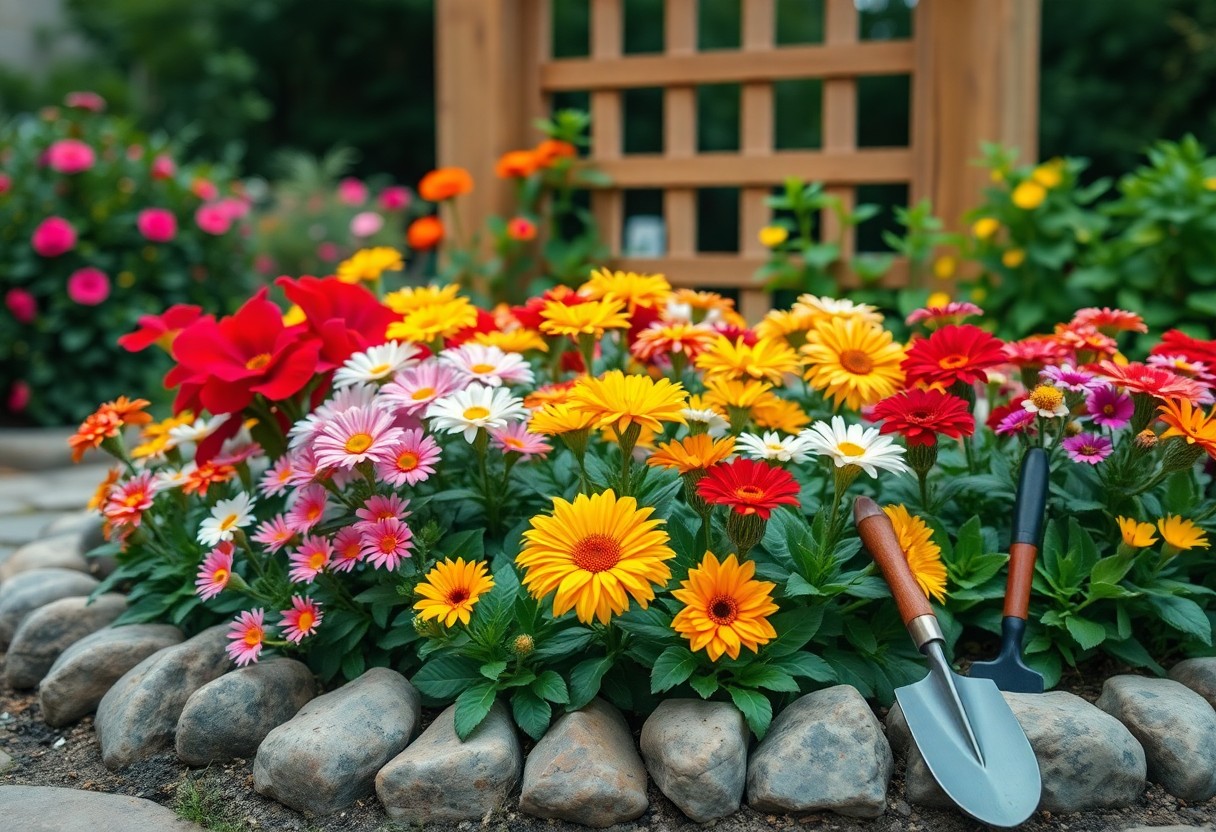
Effective planning is key to creating a stunning flower bed that flourishes throughout the seasons. Begin by considering the style you wish to achieve, the types of plants that interest you, and how these elements will work together in your chosen space. Thoughtful design will lead to a vibrant and cohesive display that enhances the overall aesthetics of your garden.
Choosing the Right Location
Your flower bed’s location significantly impacts its success. Look for an area that is accessible for maintenance and has visibility to showcase your blooming plants. Ideally, it should be slightly elevated to ensure proper drainage while being sheltered from harsh winds that could damage delicate flowers.
Understanding Sunlight and Soil Requirements
Different plants require varying amounts of sunlight and soil conditions to thrive. Some, like sunflowers, flourish in full sun, while others, such as ferns, prefer shade. Examine your garden’s sunlight patterns throughout the day and select plants that suit those conditions. Similarly, testing your soil pH can inform you of its nutrient content, allowing you to amend it as needed to create the best environment for your flowers.
Sunlight plays a pivotal role not only in plant growth but also in flowering patterns. For example, most flowering plants favour at least six hours of direct sunlight, yet shade-tolerant varieties can thrive in dimmer spots. To assess your soil, consider a simple test kit available at garden centres, as this will reveal if your soil is acidic, neutral, or alkaline, guiding your plant choices effectively. Mixing organic matter can enhance nutrient levels and improve drainage, promoting stronger plant health in your flower bed.
Selecting the Best Plants
Choosing the right plants is vital for a vibrant flower bed that thrives. Assess your climate, soil type, and sunlight availability to make informed choices. Consider visiting resources like 25 Flower Bed Ideas That Will Inspire Your Garden Design for a wealth of inspiration and ideas tailored to your garden’s unique environment.
Annual vs. Perennial Flowers
Annual flowers complete their life cycle in one season, offering vibrant blooms that can change yearly, while perennials return each season, providing lasting structure and colour. You might prefer annuals for a dynamic look or opt for perennials to create a stable foundation in your flower bed.
Color Schemes and Plant Combinations
When planning your flower bed, selecting a cohesive colour scheme enhances visual appeal and harmony. Group colours that complement each other and consider varying heights and textures to create depth. Mixing plant types can also introduce interest, combining foliage with flowers for a striking effect.
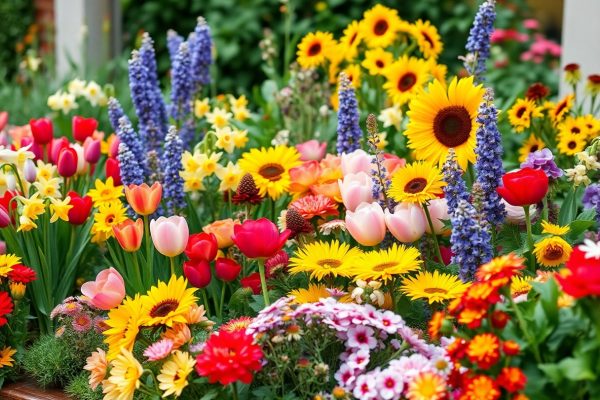
Implementing effective colour schemes and plant combinations involves more than aesthetics; it influences the overall health of your garden. For instance, pairing drought-tolerant plants with those requiring more moisture complicates maintenance. Opt for complementary colours—like blues with yellows or whites—and utilise contrasting forms, such as tall delphiniums alongside low-growing petunias, for a well-balanced arrangement. This not only boosts beauty but can also create a micro-ecosystem that encourages beneficial insects, further enhancing your garden’s vitality.
Selecting the Right Plants
Selecting the right plants for your flower bed is fundamental to its success. Consider your local climate, soil type, and the amount of sunlight your yard receives. Choose plants that will thrive in these conditions. For inspiration, explore DIY Landscaping Ideas: 25 Projects for Your Yard, which offers a variety of suggestions to fit your specific environment.
Annuals vs. Perennials
When choosing plants, you’ll face the decision of annuals versus perennials. Annuals complete their life cycle in one season and are perfect for vibrant, short-term displays. In contrast, perennials return year after year, offering a more sustainable option for your garden. Balancing both can ensure ongoing colour and joy throughout the seasons.
Color Schemes and Plant Combinations
Your flower bed’s aesthetic greatly relies on the colour schemes and plant combinations you select. Harmonious colours can enhance the overall look, while contrasting shades provide striking visual interest. Group plants in odd numbers for a more natural appearance, mixing textures and heights to create depth. Consider seasonal bloom times for continuous colour, ensuring that each phase of growth contributes to a cohesive design.
Designing Your Flower Bed Layout
Effective flower bed layout maximises visual appeal and ensures plant vitality. Begin by sketching your garden space, considering sun and shade patterns along with existing features. Use varied heights to create depth—tall plants at the back and shorter ones at the front. Incorporate shapes such as curves or circles to break up monotony and facilitate efficient watering and maintenance. Each bed should harmonise with its surroundings while reflecting your personal style, ensuring it becomes a focal point in your yard.
Creating Visual Interest
To enhance the visual appeal of your flower bed, introduce a mix of textures, colours, and shapes. Layering plants with contrasting foliage, such as broad-leaf varieties paired with fine-textured grasses, creates dimension and intrigue. Additionally, consider colour schemes; using analogous colours can provide a soothing effect, while complementary colours can energise the space. Incorporate seasonal blooms for continuous visual interest throughout the year, ensuring your flower bed remains dynamic and engaging.
Incorporating Pathways and Borders
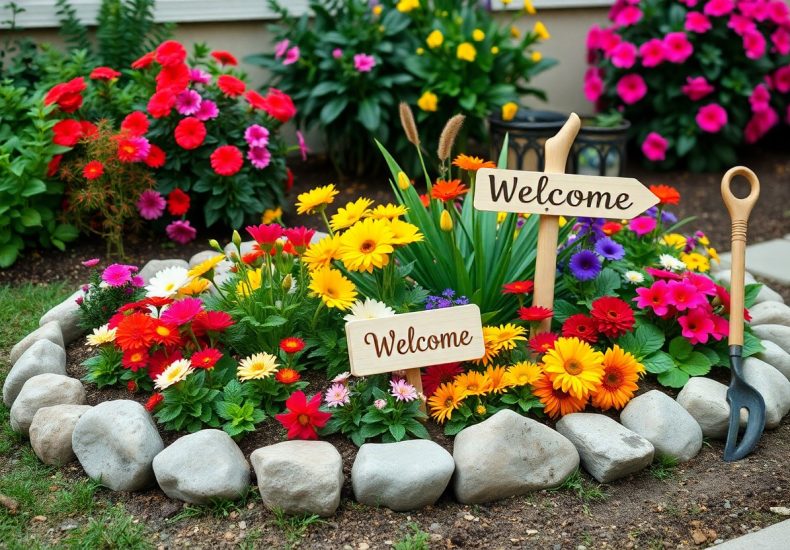
Pathways and borders not only define your flower bed but also facilitate access for maintenance and appreciation. Choosing suitable materials, such as gravel, stone, or wood, can enhance the overall aesthetics while making the garden practical. Consider winding paths that invite exploration, linking various garden elements. Edging around the flower bed, using bricks or wood, can create a polished finish, preventing soil erosion and defining plant areas clearly.
When creating pathways and borders, think about the materials that complement your flower bed’s style. For example, natural stone lends an earthy look while gravel can offer a casual, rustic feel. Ensure the paths are wide enough for easy passage, ideally 1-1.5 metres to allow for comfortable movement. Additionally, adding low-maintenance borders, such as dwarf shrubs or decorative rocks, can further delineate the flower bed and contribute to its overall design, making it not just functional but visually pleasing too.
Design Ideas for Flower Beds
To elevate your outdoor space, exploring various design ideas for flower beds can significantly enhance your garden’s aesthetic. Whether you prefer the classic appeal of traditional layouts or the innovative charm of modern styles, your choices can reflect your personality while enriching the environment around you. Focus on plant selection, colour combinations, and overall layout to create a flower bed that captivates all who see it.
Traditional Layouts
Traditional flower bed layouts often feature symmetrical designs that evoke a sense of formality and elegance. You might consider a classic rectangular or circular shape, incorporating well-defined edges and focal points like statues or ornamental features. Opt for perennial plants, ensuring your design remains robust year after year, while seasonal blooms can add timely bursts of colour. This approach allows you to create a timeless look that harmonises beautifully with natural landscapes.
Creative and Modern Styles
For a fresh twist, creative and modern styles break away from conventional structures, introducing organic shapes and unexpected plant pairings. You can explore asymmetrical arrangements and combinations of both flowers and foliage that create textural variety and dynamic visual interest. Emphasise a mix of heights, with taller plants at the back and shorter ones in the front, or experiment with vertical gardens and raised beds for a contemporary flair.
Incorporating creative and modern styles into your flower beds presents an opportunity to showcase your unique taste. For instance, consider using unusual materials like reclaimed wood, bricks, or even metal to establish boundaries or structure. Pair vibrant annuals with evergreen shrubs for year-round interest, or let your garden tell a story by selecting plants that attract pollinators. Mixing geometric shapes and bold, contrasting colours can also add excitement while allowing your garden to stand out as a personal sanctuary filled with character and style.
Preparing the Soil
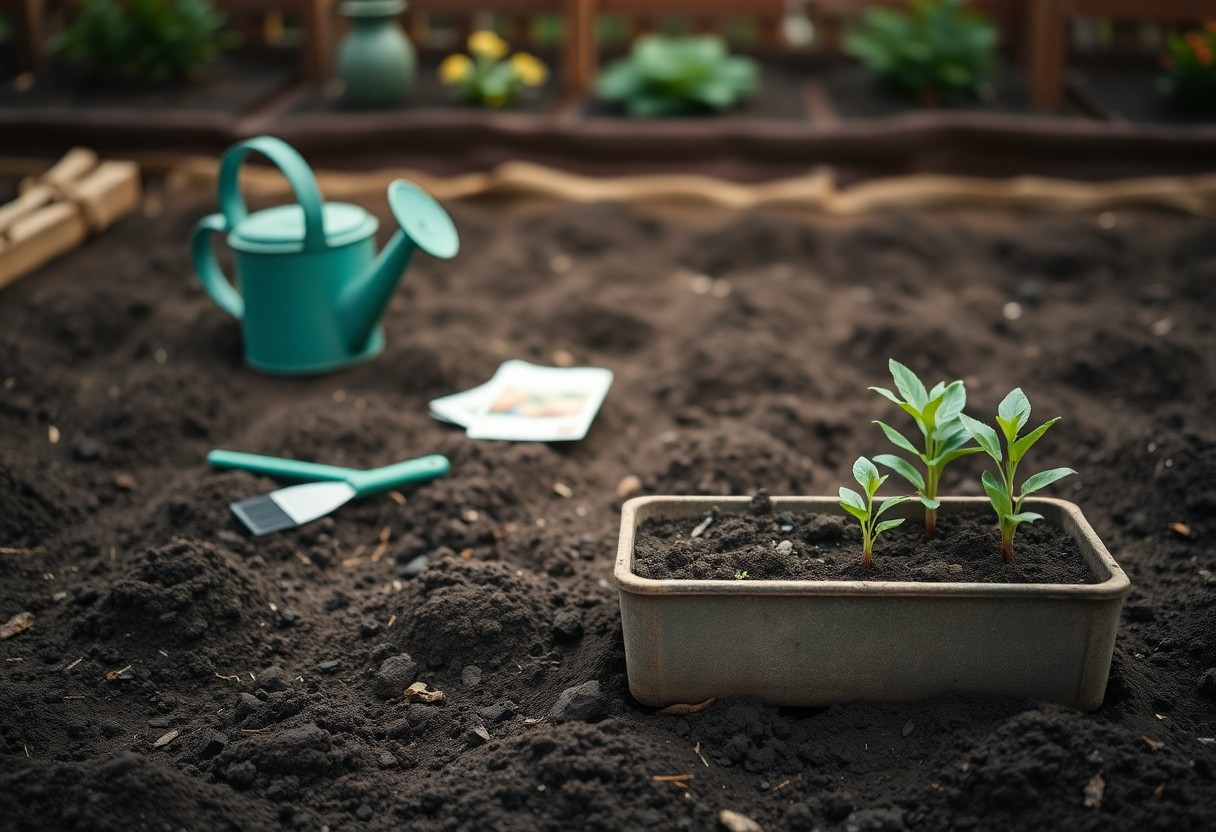
Before planting, it’s necessary to prepare your soil to ensure your plants thrive. Start by clearing the area of debris, weeds and any old roots. Next, you should test your soil pH using a kit from a garden centre; most flowering plants prefer a neutral pH of around 6.0 to 7.5. Once you understand your soil’s composition, you can proceed with the necessary amendments to create a fertile environment for your flowers.
Soil Amendment Techniques
Amending your soil enhances its structure and nutrient content. You can incorporate organic matter such as compost, well-rotted manure, or leaf mould to improve fertility and moisture retention. For nutrient deficiencies, consider adding balanced fertilisers or specific minerals like phosphorus or potassium, which can support root development and blooming. Mixing these amendments thoroughly into the top 15-20 cm of soil will significantly benefit your plants.
Drainage Considerations
Good drainage is vital for preventing waterlogged roots, which can lead to rot and plant stress. Ideally, your flower bed should have a slight slope to facilitate water runoff. If your soil tends to retain water, consider incorporating coarse sand or gravel to enhance aeration. Additionally, installing a French drain or raising your flower bed may be necessary for areas prone to flooding.
Assessing drainage involves observing how long water sits after rainfall. Ideally, water should percolate through the soil within an hour. If puddles remain, you might need to amend the soil or adjust the bed’s design to improve drainage. Keep in mind that certain plants, like succulents and lavender, require drier conditions, whereas others prefer consistently moist soil. Choosing the right plants for your drainage conditions ensures a successful flower bed that thrives rather than struggles.
Preparing the Soil
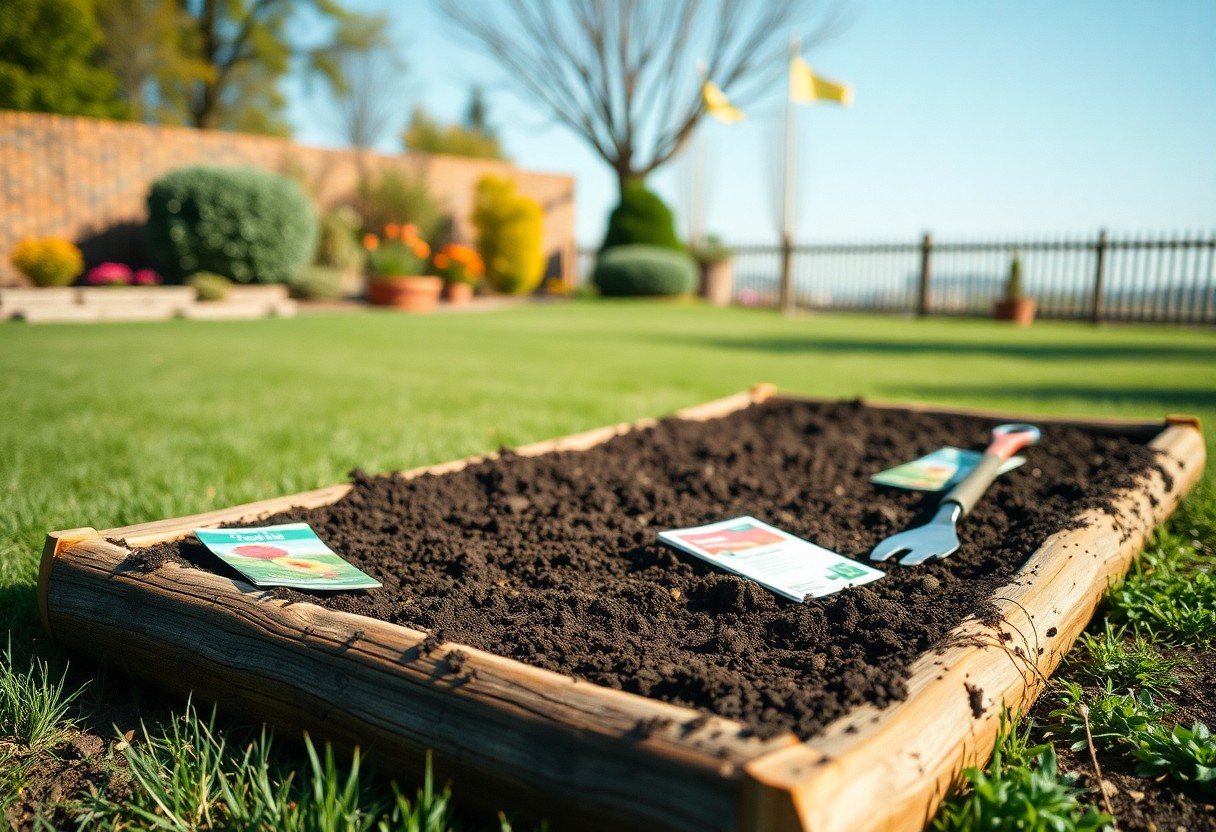
To give your flowers the best start, preparing the soil is vital. Begin by clearing away debris, weeds, and any old plant material to create a clean slate. Loosening the soil will improve drainage and root development; consider tilling or turning it with a garden fork. Incorporating organic matter, like compost, enriches the soil and promotes healthy growth, setting the stage for a vibrant flower bed.
Soil Testing and Amendment
Testing your soil allows you to understand its pH and nutrient levels, ensuring it meets the needs of your chosen plants. You can purchase a soil testing kit or send samples to a local laboratory for detailed analysis. Based on the results, amend your soil with the necessary nutrients, such as lime to raise pH or sulphur to lower it, to create an optimal environment for your flowers.
Proper Tools for Soil Preparation
Equipping yourself with the right tools makes soil preparation efficient and effective. Essential tools include a spade for turning the soil, a rake for levelling, and a tiller or fork for loosening compacted areas. A garden hoe can help remove weeds, while a soil thermometer can assist in ensuring the temperature is ideal for planting.
Having the right tools at your disposal can significantly ease the soil preparation process. For instance, a spade allows for quick excavation and turning of soil, crucial when tackling hard, compacted earth. A landscape rake helps to smooth the surface while efficiently removing stones and debris. Investing in a quality hand trowel can also greatly assist in planting individual flowers, especially in tighter spaces. These tools not only save you time but also ensure that your soil is perfectly primed for your beautiful flower bed.
Planting Techniques
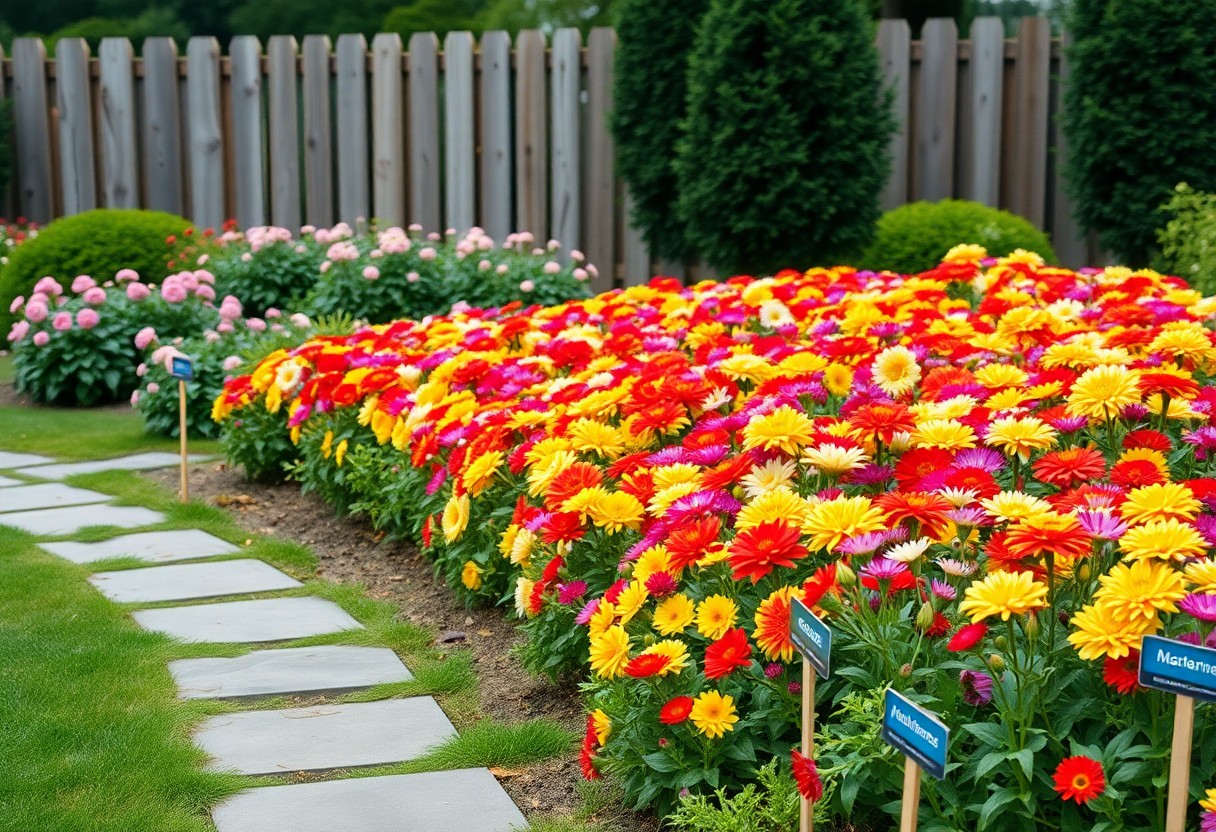
Implementing effective planting techniques is crucial for establishing a vibrant flower bed. Focus on the spacing between plants to ensure adequate light and air circulation. Group plants with similar water and sunlight needs together for optimal growth. Additionally, stagger heights and colours for a visually appealing display; taller plants should be placed at the back or centre of the bed, with shorter ones at the front. Incorporate companion planting to naturally ward off pests, promoting a healthier ecosystem in your flower bed.
Proper Planting Depths
Understanding proper planting depths can significantly affect plant success. Generally, perennials should be planted at the same depth they were in their pots, while annuals can be sown slightly deeper to encourage root establishment. For bulbs, plant them two to three times their height below the soil surface. This depth ensures that roots develop effectively and the plants can access crucial nutrients without risk of rot.
Watering and Initial Care
Once you’ve planted your flowers, watering and initial care are paramount for establishment. Water the area generously immediately after planting to settle the soil and provide moisture. Over the following weeks, maintain a consistent watering schedule to prevent stress on young plants; aim for at least 2.5 cm of water per week, adjusting according to rainfall. Consider using a mulch layer to retain moisture and suppress weeds, ensuring your flower bed flourishes during its early stages.
During the initial care phase, monitor your plants closely for signs of stress or pests. Adjust your watering frequency based on weather conditions; hot, dry spells may require more frequent watering, while cooler, damp days may necessitate less. Fertilising lightly after a few weeks can also bolster growth; opt for a balanced, slow-release fertiliser to avoid overwhelming young plants. Stay vigilant, and your flower bed will thrive as it develops a strong foundation for future growth.
Planting Techniques
Effective planting techniques can make all the difference in the success of your flower bed. Start by selecting the right time for planting, ideally in spring or autumn. Prepare your chosen flowers according to their specific requirements, including planting depth and spacing. More substantial plants should be positioned at the back, with shorter varieties in the front for optimal visibility. This layered approach not only enhances aesthetic appeal but also ensures each plant receives adequate sunlight.
Spacing and Depth Considerations
Proper spacing and depth are crucial for your flowers to flourish. Each plant should have enough room to grow, allowing air circulation and preventing overcrowding. Typically, larger blooms require more substantial spacing—around 30 to 45 cm apart—while smaller annuals can be planted closer together, about 15 to 30 cm apart. Planting depth varies; generally, you want to ensure the root ball is level with the soil surface for most perennials.
Watering and Maintenance Tips
Watering is vital for the health of your flower bed, especially during dry spells. Aim to provide a deep watering once a week, allowing the soil to dry slightly between sessions. This practice promotes deeper root growth and encourages resilience in your plants. Additionally, regular deadheading and mulching can help maintain moisture levels and suppress weeds, ensuring your blooms stay vibrant throughout the growing season.
- Water early in the day to reduce evaporation.
- Check soil moisture with a finger test before watering.
- Fertilise during the growing season for optimal growth.
- Recognising the signs of wilting helps you adjust your watering schedule.
To further enhance your watering and maintenance routine, consider using drip irrigation systems that efficiently deliver water directly to the roots. This minimizes waste and allows for consistent moisture levels. Additionally, regularly inspect your plants for pests or diseases to address issues promptly, ensuring a thriving flower bed that remains your pride and joy.
- Rotate plants each season to maintain soil health.
- Add organic matter to improve soil texture and nutrients.
- Mulch around plants to retain moisture and reduce weeds.
- Recognising the benefits of companion planting can lead to healthier blooms.
Maintenance Tips for a Thriving Flower Bed
To keep your flower bed flourishing, regular maintenance is key. A well-maintained flower bed not only enhances the beauty of your garden but also promotes the health of your plants. Consider the following tips:
- Water consistently, ensuring deep soil saturation.
- Check for pests and diseases regularly.
- Deadhead flowers to encourage new blooms.
- Fertilise at appropriate intervals to support growth.
- Use organic mulch to retain moisture and suppress weeds.
After establishing strong maintenance practices, your flower bed will thrive with vibrant flowers throughout the seasons.
Weeding and Mulching
Weeding is vital for the health of your flower bed, as weeds compete for nutrients and water. Regularly inspect your garden and remove any weeds by hand or with a hoe, particularly before they flower and seed. Apply a thick layer of organic mulch around your plants to help suppress weeds, retain moisture, and improve soil quality over time.
Seasonal Care and Fertilisation
Seasonal care ensures that your flower bed remains vibrant and healthy year-round. In spring, apply a balanced fertiliser to support new growth, while in summer, use slow-release fertiliser to sustain blooming. Autumn is the perfect time to incorporate compost, enriching the soil and preparing it for winter. Regularly revisiting these practices will create an optimal environment for your flowers to flourish.
In your flower bed, seasonal care not only involves fertilisation but also tailored attention to the changing weather patterns. For instance, during dry spells, adjust your watering schedule to provide adequate moisture without over-soaking your plants. Additionally, as autumn approaches, consider planting spring-flowering bulbs, ensuring you’ve laid a solid foundation with compost and mulch. By synchronising your care with the seasons, you foster an ecosystem where your flowers can thrive beautifully.
Enhancing Your Flower Bed
To truly elevate your flower bed, consider combinations of colours, shapes, and heights. Layering plants creates depth, while incorporating a variety of textures can intrigue the eye. For inspiration, check out 32 Flower Bed Ideas to Spruce up Your Garden to discover unique arrangements and plant selections that can transform your garden into a stunning focal point.
Incorporating Edging and Borders
Edging and borders serve both functional and aesthetic purposes in your flower bed design. Using materials like stone, timber, or metal can create a defined boundary, preventing grass and weeds from intruding while lending structure to your planting. Consider integrating low stone walls for a rustic feel or a sleek metal border for a modern touch.
Adding Accessories and Decor
Accessories and decorative elements can significantly enhance the appeal of your flower bed. Garden ornaments, such as sculptures or decorative stakes, draw attention and add personality. Additionally, incorporating items like bird baths or small benches can create inviting spaces within your garden, allowing you to enjoy the fruits of your gardening efforts.
To further personalise your flower bed, choose accessories that echo the themes found in your plants. For instance, if your bed features a vibrant display of wildflowers, consider using whimsical ceramic frogs or butterflies as decor. You might also opt for themed accessories, like vintage-style planters or reclaimed wood signage, to weave a cohesive narrative throughout your garden space. A thoughtful selection of decor not only highlights your floral arrangements but also reflects your individual style, encouraging a welcoming atmosphere in your outdoor haven.
To wrap up
With this in mind, DIY flower bed ideas present an excellent opportunity for you to enhance your yard’s aesthetic appeal. By selecting the right plants, arranging them thoughtfully, and incorporating unique materials, you can create a vibrant and inviting space. Embrace your creativity and personal style, ensuring that your flower beds reflect your preferences while thriving in your local environment. Transforming your outdoor area into a beautiful haven is within your reach, and it can bring immense satisfaction and joy to both you and your visitors.
Final Words
So, by exploring various DIY flower bed ideas, you can transform your yard into a vibrant oasis that reflects your personal style. Consider your space, choose suitable plants, and incorporate unique designs to enhance your outdoor area. With a bit of creativity and effort, you can cultivate a stunning flower bed that not only beautifies your garden but also provides you with joy and satisfaction each time you step outside.
You may also like