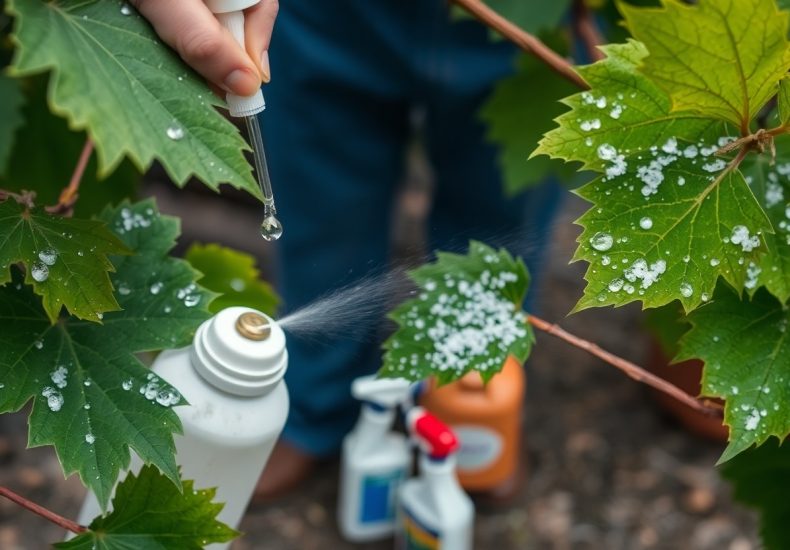
Preventing and Treating Powdery Mildew
It’s vital to understand how to prevent and treat powdery mildew, a common fungal infection that affects various plants in your garden. By recognising the symptoms early, you can implement effective strategies to control its spread and minimise damage. This guide will provide you with practical tips on maintaining healthy plants, improving air circulation, and using suitable treatments to ensure your garden thrives free from this persistent pest.
Key Takeaways:
- Ensure good air circulation and sunlight exposure to reduce humidity levels around plants.
- Implement regular inspections for early detection and apply fungicides as needed for treatment.
- Consider utilising resistant plant varieties and organic solutions, such as neem oil, for prevention and control.
Understanding Powdery Mildew
Powdery mildew is a fungal disease that affects a wide range of plants, characterised by its white, powdery appearance on leaves, stems, and flowers. This condition arises from various fungal species, primarily belonging to the order Erysiphales. You may notice its rapid spread during warm, dry weather, particularly in shaded areas, which can lead to reduced plant vitality and yield if left unchecked.
Causes and Symptoms
This fungal issue is primarily caused by pathogens thriving in humid environments where the air is still. Symptoms include white to greyish fungal growth on the upper surfaces of leaves, often coupled with stunted plant growth and yellowing foliage. In severe cases, it can result in premature leaf drop and decreased fruit production, significantly impacting the overall health of your plants.
Environmental Conditions Favoring Growth
The development of powdery mildew is significantly influenced by specific environmental conditions. Warm temperatures between 15°C and 30°C (59°F and 86°F) create an ideal atmosphere for the fungus to flourish, especially when accompanied by high humidity and poor air circulation in densely planted gardens.
Your garden’s microclimate plays a vital role in the growth of powdery mildew. High humidity levels create a conducive environment for fungal spores, particularly when temperatures rise during the day and drop at night. Air movement is necessary; without it, moisture accumulates, promoting spore germination. For example, planting in overcrowded areas or shaded spots increases susceptibility, so ensuring proper spacing and airflow can greatly reduce the risk of this disease. Regularly monitoring your plants and maintaining optimal watering practices will also help mitigate environmental stressors favourable to powdery mildew.
Prevention Strategies
Implementing effective prevention strategies is crucial to keep your plants healthy and minimise the risk of powdery mildew. By utilising cultural practices and choosing appropriate plant varieties, you can create an environment that discourages fungal growth. Regular monitoring and proactive measures will safeguard your garden, ensuring that your plants thrive without the threat of disease.
Cultural Practices
Adopting sound cultural practices plays a significant role in preventing powdery mildew. Ensure your plants are well-spaced to promote air circulation and reduce humidity. Water your garden early in the day, allowing foliage to dry before nightfall. This simple adjustment can deter fungal spores from establishing themselves on your plants.
Plant Selection and Spacing
Choosing the right plants and ensuring they are spaced adequately can greatly reduce the likelihood of powdery mildew. Opt for resistant varieties whenever possible, as these have been bred to withstand common diseases. Additionally, maintain proper spacing between plants to increase airflow, which helps keep moisture levels in check and discourages the proliferation of mildew.
For instance, when planting cucumbers, select disease-resistant cultivars and space them at least 30-45 cm apart. This spacing allows for sufficient air movement, reducing the chance of water hanging on the leaves, which is instrumental in preventing fungal infestations. Moreover, consider the microclimate of your garden; plant in areas that receive ample sunlight, as increased light exposure also helps deter the onset of powdery mildew.

Biological Control Methods
Biological control methods offer an environmentally friendly approach to manage powdery mildew, utilising natural organisms to combat the disease. You can explore techniques like introducing specific predators or beneficial microorganisms that not only suppress the fungus but improve overall plant health. For detailed guidance on this topic, refer to Powdery Mildew: Treatment and Control on Plants.
Natural Predators
Natural predators such as ladybirds and lacewings can assist in controlling the spread of powdery mildew by feeding on the spores and affected insects. Encouraging their presence in your garden creates a more balanced ecosystem, enhancing plant resilience.
Beneficial Microorganisms
Utilising beneficial microorganisms is an effective strategy to combat powdery mildew and foster plant health. These organisms, such as certain strains of bacteria and fungi, can outcompete the mildew for resources, thereby inhibiting its growth.
Your approach to incorporating beneficial microorganisms can include applying products containing Bacillus subtilis or Trichoderma harzianum. Studies show that these microorganisms can reduce powdery mildew incidence significantly, with some experiments revealing up to a 70% reduction in disease severity. Regular application of these products not only provides a biocontrol method but also promotes a robust soil microbiome that supports plant vitality, making your garden less susceptible to future outbreaks.

Chemical Treatments
Chemical treatments provide a robust option for managing powdery mildew when other methods fall short. Ensure you follow the manufacturer’s instructions regarding dosage and timing for optimum results, as the effectiveness can vary depending on the product and plant type.
Fungicides: Types and Application
Fungicides come in various types, including contact and systemic options, each with specific application methods. Contact fungicides must directly cover the mildew to be effective, while systemic varieties are absorbed by the plant, offering longer-lasting protection. To effectively utilise fungicides, apply them during the early signs of infection, and maintain a consistent treatment regimen.
- Contact fungicides: Effective upon contact
- Systemic fungicides: Penetrate and protect the plant
- Preventive fungicides: Used before symptoms appear
- Treatment fungicides: Applied once infection is visible
- This ensures your plants receive consistent protection.
| Fungicide Type | Application Method |
|---|---|
| Contact | Apply directly to affected areas |
| Systemic | Absorbed by the plant’s tissues |
| Preventive | Applied before disease development |
| Treatment | Used at first signs of infection |
| Combination | Utilise both types for best results |
Organic vs. Synthetic Options
You may consider organic and synthetic fungicides when tackling powdery mildew. Organic options often include substances like neem oil and sulphur, which tend to have less environmental impact. Conversely, synthetic fungicides might offer faster and more intense action against severe infestations.
Organic fungicides, while generally safer for the environment, can take longer to show results compared to their synthetic counterparts. Neem oil works by disrupting the fungal lifecycle and can deter a range of pests as well. Synthetic versions, however, are often more potent, which might appeal if your plants are heavily infected. Balancing effectiveness with your growing practices and environmental concerns is key to selecting the right treatment.
Integrated Pest Management (IPM)
Integrated Pest Management (IPM) blends various strategies to prevent and control powdery mildew effectively. By assessing your environment and combining cultural, biological, and chemical controls, you can minimise the impact of this disease while promoting healthier plants. Implementing IPM requires a thoughtful approach, recognising that each situation is unique and tailoring tactics accordingly can yield better results.
Monitoring and Early Detection
To effectively manage powdery mildew, you need to monitor your plants regularly and detect early signs of infection. Look out for white, powdery spots on leaves, especially in warm, humid conditions. By checking your plants frequently, you can implement control measures before the disease spreads extensively, protecting your crop and minimising loss.
Combining Approaches for Effectiveness
Combining various control methods increases the effectiveness of your management strategy against powdery mildew. Integrating cultural practices, such as improving air circulation and avoiding overhead watering, with biological treatments and targeted chemical applications, creates a comprehensive defence against outbreaks. This multifaceted approach ensures that one method does not become ineffective due to resistance or environmental factors.
For example, utilising resistant plant varieties alongside timely applications of beneficial fungi can significantly reduce the incidence of powdery mildew. Additionally, integrating chemical treatments during peak infection periods can control populations effectively while limiting their use throughout the growing season. This strategy optimises plant health and minimizes detrimental impacts on the ecosystem, ensuring you maintain a vibrant and productive garden or farm environment.
Case Studies and Success Stories
Success in managing powdery mildew can often be achieved through tailored approaches and diligent practices. Here are some case studies demonstrating significant improvements in mildew management:
- A vineyard in California reduced powdery mildew incidence by 75% after implementing a targeted organic spray regimen during the growing season.
- A community garden in London reported a 60% decrease in powdery mildew by introducing resistant plant varieties and adjusting their watering practices.
- One suburban gardener achieved a complete recovery of their roses, previously affected by powdery mildew, after switching to a homemade baking soda solution.
Farming Practices
Adopting integrated farming practices can significantly mitigate powdery mildew outbreaks. Crop rotation, coupled with the introduction of mildew-resistant varieties, limits the chances of disease recurrence. Implementing proper spacing and air circulation in fields also allows sunlight to penetrate, reducing humidity levels conducive to mildew growth.
Home Garden Strategies
In your home garden, selecting resistant plant varieties is a practical first step to combat powdery mildew. Additionally, you can improve air circulation by pruning dense foliage and planting with adequate spacing. Regular monitoring of humidity levels and watering early in the day can further diminish the chances of development.
Creating a proactive strategy in your home garden involves a mix of prevention and treatment. Keep an eye on environmental conditions, as managing humidity levels is vital. For instance, adjusting your watering schedule and using mulch can help maintain soil moisture without fostering a damp atmosphere. Additionally, employing companion planting with herbs known to repel mildew can provide natural protection for your flowering plants.
Final Words
Hence, to effectively prevent and treat powdery mildew, you must adopt a combination of cultural practices, proper watering techniques, and timely fungicide applications. Ensure adequate air circulation around your plants and avoid overcrowding. Regularly inspect your plants for early signs of infection, and act swiftly to apply suitable treatments. By maintaining optimal growing conditions and monitoring your plants closely, you can safeguard their health and enhance your garden’s resilience against this pervasive fungus.
FAQ
Q: What causes powdery mildew?
A: Powdery mildew is caused by fungal pathogens that thrive in warm, dry environments. It typically affects plants when humidity is low and temperatures are moderate, particularly during the growing season.
Q: How can I prevent powdery mildew on my plants?
A: To prevent powdery mildew, ensure adequate air circulation around plants by spacing them properly. Water plants at the base to avoid wetting the foliage and apply fungicides when symptoms are first noticed. Regularly removing debris and infected plant material also helps.
Q: What are the symptoms of powdery mildew?
A: Symptoms include white or greyish powdery spots on the leaves, stems, and buds of affected plants. As the infection progresses, leaves may yellow, curl, and eventually die.
Q: How can I treat powdery mildew once it appears?
A: Treatment options include using fungicides specifically designed for powdery mildew, as well as home remedies like a mixture of water and baking soda. It is also beneficial to prune infected plant parts and improve air circulation.
Q: Which plants are most susceptible to powdery mildew?
A: Many plants can be affected by powdery mildew, but common susceptible species include cucumbers, zucchini, roses, and grapes. Monitoring these plants regularly can help catch early signs of infection.
You may also like