Organic Pest Control – Sustainable Solutions for a Healthy Yard
Many homeowners are seeking effective ways to manage pests while maintaining a healthy environment in their gardens. Organic pest control offers sustainable solutions that protect your yard from infestations without harmful chemicals. By using natural methods and products, you can create a thriving ecosystem while ensuring the safety of your family and pets. Explore the benefits of organic approaches and discover methods like companion planting and beneficial insects. For insights on natural pest management, check out Lawn Pest Control [9 Top Pests and Natural Solutions].
Key Takeaways:
- Utilising beneficial insects, like ladybirds and lacewings, can effectively manage pest populations without chemicals.
- Natural remedies, such as neem oil and diatomaceous earth, provide sustainable options for treating pest infestations.
- Implementing practices like companion planting enhances biodiversity and reduces pest issues in the garden.
Understanding Pests
Identifying pests is important for effective management. You must recognise their behaviours, habitats, and the specific plants or fruits they damage. Some pests may appear harmless initially but can cause significant harm if left unchecked. Understanding these dynamics enables you to tailor your organic pest control strategies accordingly, promoting a healthier garden environment.
Common Garden Pests
Your garden may be home to several common pests, including aphids, slugs, and spider mites. Aphids can quickly multiply, feeding on your plants’ sap and leading to stunted growth. Slugs thrive in damp conditions and can decimate your seedlings overnight. Familiarising yourself with these pests helps you take proactive measures, ensuring your garden thrives without chemical intervention.
The Role of Beneficial Insects
Beneficial insects play a vital role in pest control naturally. Ladybirds, lacewings, and parasitic wasps are examples of predators that keep pest populations in check. By recognising and encouraging these allies, you enhance your garden’s ecosystem, promoting a balance that reduces the need for harmful pesticides.
Ladybirds, for instance, can consume up to 5,000 aphids in their lifetime, while lacewing larvae are voracious predators of various pests, including spider mites and mealybugs. By attracting these beneficial insects through companion planting or maintaining diverse flora, you cultivate a sanctuary where they can thrive. This approach not only aids in pest control but also enriches your garden’s biodiversity, contributing to its overall health and resilience.
Principles of Organic Pest Control
Organic pest control centres around a holistic approach, focusing on maintaining a balanced ecosystem in your garden. This involves understanding pest behaviours, encouraging beneficial insects, and employing natural deterrents to manage pest populations. You can learn more about effective strategies in Natural Lawn Pest Management Solutions for Eco-….
Prevention and Maintenance
Effective prevention starts with garden health; practices such as rotating crops, selecting disease-resistant plant varieties, and ensuring proper soil health greatly reduce pest issues. Regular inspections and timely interventions can help catch problems before they escalate, making your yard less attractive to pests.
Natural Remedies
Utilising natural remedies for pest management can effectively reduce infestations without harming beneficial organisms. Options include diatomaceous earth, neem oil, and insecticidal soaps, which combat various pests while being safe for your garden environment.
For example, neem oil disrupts the life cycle of pests like aphids and spider mites, effectively reducing their population without toxic effects. Alternatively, diatomaceous earth acts as a physical barrier, damaging the exoskeletons of crawling insects upon contact. By recognising your pest problems early and employing a combination of these natural remedies, you can maintain a vibrant, healthy garden ecosystem.
Cultural Practices for Pest Management
Cultural practices are important in preventing and managing pest populations organically. By altering the growing environment, you can significantly reduce pest pressure. Implementing practices such as crop rotation and intercropping not only enhances soil health but also disrupts pest life cycles. These methods foster a more resilient garden ecosystem that can withstand pest invasions, ultimately leading to a healthier and more productive yard.
Crop Rotation
Crop rotation involves changing the type of crops grown in a particular area each season. This practice prevents pests and diseases that thrive on specific plants from establishing themselves long-term. By rotating crops, you disrupt their food sources and reduce the likelihood of infestations, leading to improved soil fertility and a more balanced ecosystem.
Intercropping
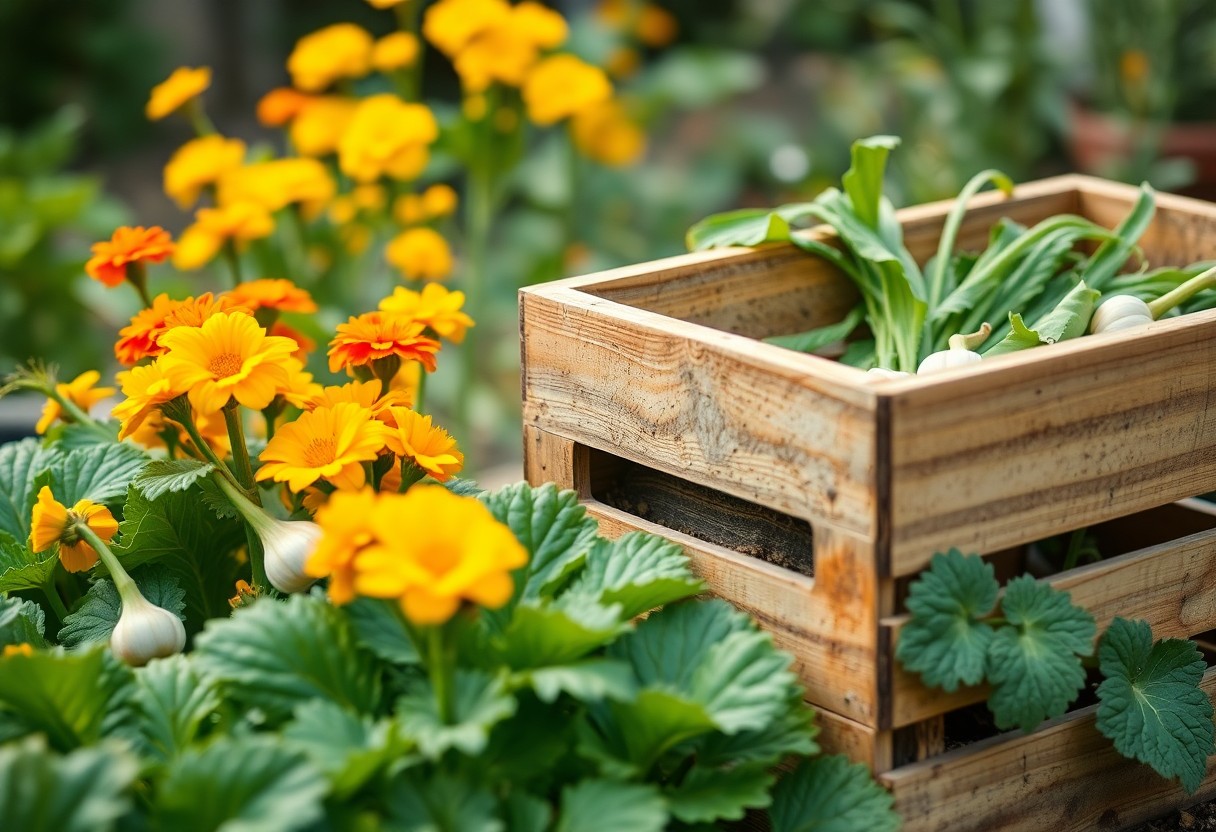
Intercropping is the practice of growing two or more different crops in proximity for mutual benefits. This method can deter pests through the use of companion planting, where specific plants repel harmful insects while attracting beneficial ones. For example, planting marigolds alongside vegetables can naturally repel nematodes and aphids, reducing the need for chemical interventions.
Intercropping not only enhances pest management but also promotes biodiversity, leading to healthier soil and ecosystems. Incorporating legumes in your intercropping strategy can improve nitrogen levels in the soil, supporting the growth of other plants. Research shows that intercropping can reduce pest populations by over 50%, making it an effective, sustainable practice for anyone looking to maintain a thriving garden. By strategically choosing compatible plants, you can create a robust horticultural environment that fosters natural pest control.
Biological Control Methods
Biological control methods harness nature’s own pest management strategies, relying on living organisms to manage pest populations. This approach not only aids in the reduction of chemical inputs but also enhances the biodiversity of your garden. By introducing or encouraging natural predators and parasites, you can achieve pest control while promoting a healthier ecosystem. From ladybirds that feast on aphids to parasitic wasps that target caterpillars, these methods can be remarkably effective.
Introducing Beneficial Organisms
Introducing beneficial organisms is a strategic way to control pests organically. By carefully selecting and introducing predators or parasitoids native to your area, you can establish a natural balance in your garden. For example, releasing nematodes can combat soil-dwelling pests, while encouraging birds or bats can help manage larger pest populations. Understanding the specific needs of these organisms can enhance their effectiveness in your yard.
Microbial Insecticides
Microbial insecticides are derived from naturally occurring microorganisms and offer a non-toxic alternative to traditional chemical pesticides. Products such as Bacillus thuringiensis (Bt) target specific pests without harming beneficial insects, making them a preferred choice for organic gardeners.
Microbial insecticides, such as the well-known Bacillus thuringiensis, work by producing proteins that are toxic to specific insect larvae. For instance, Bt is particularly effective against caterpillar pests, disrupting their digestive systems when ingested. As a result, these microbial solutions can provide targeted pest control without negatively impacting non-target species, including pollinators. By integrating microbial insecticides into your pest management practices, you can effectively reduce harmful pest populations while supporting your garden’s overall health.
Eco-Friendly Chemical Options
When exploring sustainable pest control, eco-friendly chemical options provide effective alternatives to synthetic pesticides. These solutions not only target pests but also minimise harm to beneficial insects, wildlife, and the environment. Options such as crucial oils and insecticidal soaps harness natural ingredients that can disrupt pest life cycles, offering a balance between effectiveness and ecological responsibility.
Essential Oils
Essential oils, derived from plants, offer natural repellent properties against various pests. Oils such as neem, peppermint, and clove can deter insects when diluted and applied to affected areas. Their strong scents and biochemical makeup create an inhospitable environment for pests while being safe for your garden ecosystem.
Insecticidal Soaps
Insecticidal soaps are water-soluble and made from natural plant oils and fats, specifically targeting soft-bodied insects. They work by penetrating the pest’s outer layer, leading to dehydration and ultimately, death. Safe for use around vegetables and ornamental plants, these soaps can effectively control aphids, spider mites, and whiteflies without harming beneficial insects when used as directed.
Insecticidal soaps provide a versatile solution in your organic pest management toolkit. They are typically applied as a spray directly onto pests and can be particularly effective during early infestations. Most brands advise covering the entire plant surface to ensure thorough contact with the pests, which often leads to a visible reduction in their populations within a few days. Unlike synthetic alternatives, insecticidal soaps break down quickly in the environment, minimising any long-term impacts on soil and health of your garden ecosystem.
Integrated Pest Management (IPM)
IPM is a holistic approach that combines various management strategies to control pest populations sustainably. By integrating different methods such as biological, cultural, mechanical, and chemical techniques, you create a robust system that not only targets pests effectively but also minimises environmental impact. By prioritising prevention and ongoing assessment, IPM promotes long-term productivity and health in your garden.
Monitoring and Assessment
Effective IPM starts with regular monitoring and assessment of pest populations in your garden. You should routinely inspect your plants for visible signs of pests, such as discolouration, wilting, or excrement. Keeping records of pest activity and environmental conditions helps you identify trends and make informed decisions about when and how to intervene.
Implementing IPM Strategies
Once you have monitored your yard, implementing IPM strategies involves selecting appropriate control measures tailored to your specific pest issues. This may include introducing beneficial insects, rotating crops, or using barriers. You should also evaluate the efficacy of those measures continuously, adjusting your tactics as necessary to achieve the best results.
Implementing IPM strategies requires a thoughtful combination of methods to maintain balance in your ecosystem. For instance, you might introduce ladybirds to control aphid populations, while simultaneously rotating your crops annually to disrupt pest life cycles. By using physical barriers, such as row covers, alongside these biological controls, you further protect your plants while reducing reliance on chemical pesticides. Therefore, the key is to tailor your approach based on ongoing observations and adapt your strategies as conditions change, ensuring a sustainable solution for your garden’s health.
To wrap up
Upon reflecting, exploring organic pest control not only supports a healthier environment but also enhances the vitality of your yard. By employing sustainable methods, you can effectively manage pests while protecting beneficial organisms and maintaining soil health. Embracing these practices empowers you to cultivate a thriving outdoor space that aligns with ecological principles. Adopting organic solutions ultimately ensures that your yard remains a safe haven for plants, wildlife, and your loved ones.
You may also like