Smart Ways to Repel Deer and Rabbits
Repellent measures can significantly enhance your gardening success by keeping deer and rabbits at bay. By employing a variety of strategies, you can protect your plants and maintain the beauty of your outdoor space. This post will provide you with effective methods, from natural deterrents to innovative products, ensuring that you can safeguard your garden against these persistent pests.
Key Takeaways:
- Utilise natural deterrents such as strong-smelling plants and homemade sprays to keep deer and rabbits at bay.
- Install physical barriers like fences or netting to protect gardens and flower beds from browsing animals.
- Employ noise-making devices or motion-activated lights to create an uncomfortable environment for these pests.
Understanding Deer and Rabbit Behavior
Recognising the behavioural patterns of deer and rabbits is imperative for effective repelling strategies. These animals are primarily crepuscular, being most active during dawn and dusk, which influences when they forage. Understanding how they navigate their environment will help you identify peak times for intrusion, allowing you to implement preventive measures when they are most likely to visit your garden or property.
Feeding Habits
Deer and rabbits have distinct feeding preferences that reflect their dietary needs. Deer are herbivorous and enjoy a varied diet of leaves, twigs, fruits, and vegetables, often favouring tender new growth. Rabbits, on the other hand, predominantly consume grasses, clover, and leafy vegetables. By knowing what attracts them, you can adjust your garden’s flora to deter these pests effectively.
Seasonal Patterns
Seasonal changes significantly affect the behaviour of deer and rabbits, influencing their feeding and breeding habits. In spring and summer, they tend to target young plants, while autumn marks a shift towards acorns and berries. During winter, food sources become scarce, prompting them to venture closer to human habitats in search of sustenance. This seasonal movement pattern is vital for strategising your repellent methods throughout the year.
In spring, as new growth appears, deer and rabbits become particularly active, exploiting soft tender shoots and garden vegetables. Summer prompts increased competition for food, causing them to wander further afield. During autumn, their focus shifts to easily accessible food sources, with a notable increase in sightings around gardens. Winter exacerbates their search for food, often leading to heightened activity in residential areas. Understanding these patterns allows you to plan your deterrents appropriately, increasing their effectiveness when your garden is most vulnerable.
Natural Repellents
Utilising natural repellents provides an eco-friendly approach to discourage deer and rabbits from your garden. By exploiting their aversions to certain scents and tastes, you can create a less inviting environment. These methods are not only effective but also safe for wildlife and the surrounding ecosystem, allowing you to maintain a thriving garden without harmful chemicals.
Herbal Solutions
Incorporating specific herbs into your garden can serve as an effective deterrent for deer and rabbits. Strong-scented herbs like lavender, mint, and sage release fragrances that these animals find unappealing, encouraging them to steer clear of your plants. Planting these herbs around your garden beds or using them in potpourri can significantly reduce the likelihood of herbivorous visits.
Essential Oils
Essential oils are a powerful tool in the fight against deer and rabbits. Oils such as peppermint, clove, and eucalyptus inhibit these animals’ natural feeding instincts. By mixing a few drops of these oils with water and spraying the solution around your garden, you can create an aromatic barrier that effectively repels them. Frequent application may be necessary, especially after rain, to maintain their efficacy.
Essential oils work by overpowering the senses of deer and rabbits, making them uncomfortable in areas where these scents are prevalent. For instance, a study found that deer are particularly sensitive to the smell of peppermint, with a noticeable decline in their activity in treated areas. Furthermore, combining oils can enhance their repellent properties, creating a more complex scent that is less easily adapted to by wildlife. Thus, using a variety of imperative oils showcased in your treatment plan can maximise results and protect your garden effectively.
Physical Barriers
Implementing physical barriers is an effective way to safeguard your garden from deer and rabbits. By creating an environment that these animals find difficult to traverse, you can significantly reduce their presence and protect your plants. Options include fencing, netting, and even strategically designed garden layouts that deter their access.
Fencing Options
When choosing fencing, consider at least a 2-metre high barrier, as deer can easily jump lower fences. A sturdy, woven wire or stock fencing can be effective for both deer and rabbits. Additionally, adding an outward angle at the top can discourage deer from attempting to leap over, while buried sections can prevent rabbits from burrowing underneath.
Garden Layout Strategies
Strategically arranging your garden can deter deer and rabbits effectively. Positioning hardier plants in your garden perimeter and employing companion planting with aromatic herbs can create an unwelcoming environment. Implementing raised beds also elevates your plants, making them less accessible to rabbits while adding aesthetic appeal.
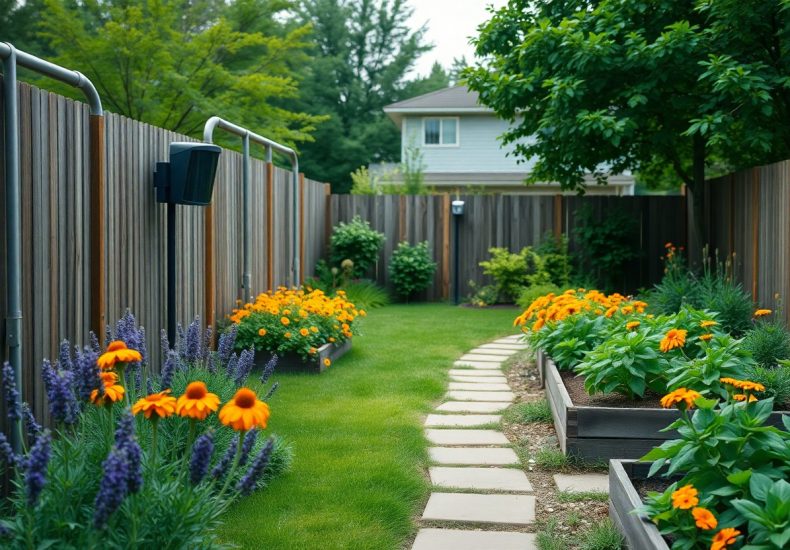
Incorporating specific garden layout strategies can enhance your defence against these pests. For instance, designing your garden with dense, thorny hedges around the boundaries can act as a natural deterrent. Utilising raised beds allows you to grow vegetables at height, minimising the chance of rabbit invasion. Companion planting such as marigolds and lavender can emit scents that repel deer while adding colour to your garden. Grouping vulnerable plants together also gives you the advantage of applying targeted protection methods, maximising your efforts in keeping your garden safe.
Emotional Repellents
Utilising emotional repellents can be a powerful strategy when deterring deer and rabbits from your garden. Some products mimic predator scents or other frightening smells, tapping into the animals’ instinctual fears. By incorporating these into your repellent arsenal, you can create an environment that feels unsafe for these pests. Consider exploring various options, as deer and rabbit repellents that are safe for them and effective for your garden can greatly minimise their presence.
Noise Devices
Noise devices are an effective method to startle deer and rabbits, making them feel unwelcome in your space. From ultrasonic devices that emit high-frequency sounds undetectable by humans to motion-activated alarms that produce startling noises, you can create an auditory barrier that discourages these animals from venturing into your garden.
Motion-Activated Sprays
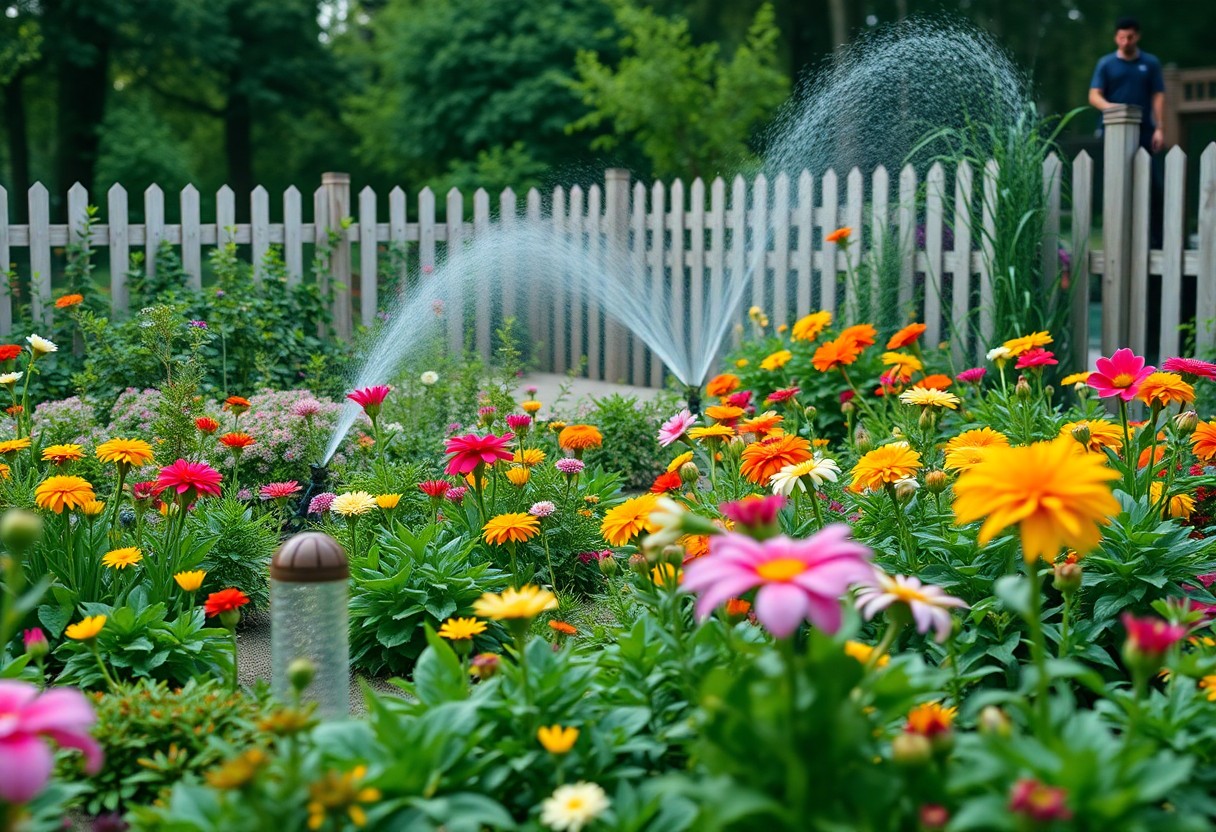
Motion-activated sprays provide a dual function of deterrence and surprise, managing to startle deer and rabbits away from your plants effectively. When the sensor detects movement, a mist is released, often containing water or a repellent solution, which both surprises and can condition the animals to avoid the area.
These devices can be particularly effective in securing specific areas of your garden, creating a zone that is off-limits to deer and rabbits. By strategically placing motion-activated sprays near vulnerable plants, you condition deer and rabbits to associate your garden with an unpleasant experience. This proximity-based strategy utilises their natural flight response, making it highly effective in protecting your plants whilst being unobtrusive and environmentally friendly.
Chemical Repellents
Chemical repellents are formulated to deter deer and rabbits by producing unpleasant scents or tastes. These products are designed to disrupt the animals’ feeding behaviours, making your garden less appealing. Choose repellents that are suitable for your specific area and reapply them according to the manufacturer’s instructions, especially after rain. The effectiveness of these products can vary, so it’s wise to experiment with different options to find the best fit for your garden.
Commercial Products
Commercial repellents often contain ingredients like putrescent egg solids or capsaicin, which are known to repel wildlife. Available in spray or granular form, these products can easily be applied to plants and surrounding areas. Follow application guidelines closely, as the potency may diminish over time, particularly in wet conditions.
DIY Solutions
DIY solutions for repelling deer and rabbits can be both economical and effective. You can create your own repellents using household ingredients, such as mixing water with garlic, chilli powder, or vinegar. These natural mixtures not only deter pests but are also safe for your garden.
To create a practical DIY deer and rabbit repellent, combine two tablespoons of crushed garlic, two tablespoons of hot pepper flakes, and a quart of water in a spray bottle. Let the mixture steep overnight, then strain and spray it on your plants. Reapply every week or after rain for optimal results. Experimenting with different ingredients can further enhance its efficacy, ensuring that your garden remains safe from unwelcome visitors.

Maintenance and Effectiveness
Effective deer and rabbit repellents require regular upkeep to ensure their performance. Over time, environmental factors can diminish their potency, necessitating reapplication or adjustments. Seasonal changes, weather conditions, and the growth of surrounding vegetation can all impact how well your chosen strategies deter these animals. Consistently assessing your methods not only ensures they remain beneficial but also enhances your overall gardening success.
Regular Monitoring
Consistently observing your garden for signs of deer and rabbit activity is important. Regularly checking for tracks, nibbling, or droppings helps you gauge which methods are effective and which are not. By keeping a close watch, you can address any issues promptly, preventing significant damage to your plants.
Adapting Strategies
Flexibility in your approach to repelling these animals can significantly improve results. If a specific method seems ineffective, don’t hesitate to try alternatives or combine different strategies for better protection. Rotating repellents or altering the layout of your garden can confuse and discourage them from returning.
For instance, if you’ve been using a particular scent-based repellent, consider switching to a visual deterrent like garden netting or reflective objects. Rotating your deterrents not only keeps animals guessing but can also take advantage of their varying behavioural responses throughout different seasons. If you notice increased activity during specific times, adapting your strategies accordingly can enhance your deterrent measures, ensuring your efforts remain effective all year round.
Final Words
Presently, utilising smart techniques to repel deer and rabbits is important for protecting your garden. From employing physical barriers to planting specific species, you can significantly reduce the chances of these animals damaging your plants. Incorporate methods such as using scent deterrents or companion planting to keep them at bay. For further guidance, explore How do I keep deer and rabbits from eating my plants? to enhance your protective strategies and enjoy a thriving garden.
FAQ
Q: What are some effective methods to repel deer?
A: Effective methods to repel deer include using deer repellent sprays that contain strong scents, planting deer-resistant plants, and employing motion-activated devices that create noise or movement to scare them away.
Q: How can I use scents to deter rabbits?
A: To deter rabbits, consider using strong scents such as garlic, chilli pepper, or animal urine. Spraying a mixture of water and these substances around the garden can help keep rabbits at bay.
Q: Are there any physical barriers that can prevent deer and rabbits from entering my garden?
A: Yes, installing fencing is an effective physical barrier. A fence should be at least 8 feet tall for deer and 2 feet high for rabbits. Ensure there’s no gap at the bottom for them to squeeze through.
Q: What role do companion plants play in repelling deer and rabbits?
A: Companion planting can help repel deer and rabbits by using plants that have strong scents or taste that these animals dislike. Examples include marigolds, lavender, and mint, which can deter them from approaching.
Q: Is there a natural way to repel deer and rabbits without using chemicals?
A: Yes, natural methods include using biodiversity in your garden, such as planting diverse species that are less attractive to these animals, alongside using homemade repellents made from household items like soap and vinegar.
You may also like