Setting up a Drip Irrigation System
Many garden enthusiasts find that setting up a drip irrigation system is an effective way to ensure your plants receive consistent moisture while conserving water. This method delivers water directly to the root zone, enhancing plant health and minimising waste. In this guide, you’ll learn the imperative components and steps needed to create a successful system that suits your garden’s specific needs. For more detailed information, you can explore Drip Irrigation Basics.
Key Takeaways:
- Assess the landscape and plan the layout to ensure efficient water distribution.
- Select appropriate drip tubing and emitters based on the specific needs of plants.
- Regularly maintain the system to prevent clogs and ensure optimal performance.

Understanding Drip Irrigation
What is Drip Irrigation?
Drip irrigation is a method that delivers water directly to the base of plants through a network of tubes and emitters. This system applies water slowly and efficiently, minimising evaporation and runoff. It can be customised to suit various garden layouts and requires less water than traditional irrigation methods, making it an environmentally friendly choice for conscientious gardeners.
Benefits of Drip Irrigation
The benefits of drip irrigation include reduced water consumption, improved plant health, and targeted delivery of nutrients. By directing water directly to the plant roots, you enhance growth while diminishing weed competition. This method also lowers the risk of diseases that thrive in damp foliage, leading to healthier gardens overall.
Furthermore, research indicates that drip irrigation can reduce water usage by up to 50% compared to traditional methods, translating into significant savings on your water bill. It also allows you to programme watering schedules, ensuring your plants receive consistent moisture, especially during dry spells. This precise control can result in higher yields for vegetable gardens, making it an necessary tool for both hobbyists and serious gardeners looking to maximise their output.
Planning Your Drip Irrigation System
Effective planning of your drip irrigation system ensures optimal water efficiency and plant health. It involves understanding your garden’s unique features and determining how to best deliver moisture to your plants. Begin by laying out a design that maximises coverage while considering plant types, spacing, and growth requirements. Assess factors like sunlight, soil type, and climate to tailor your system for success.
Assessing Your Garden Layout
You need to evaluate the overall layout of your garden, including the placement of beds, borders, and existing plants. Create a detailed map to visualise where the drip lines will run and identify any obstacles such as trees or structures. Consider how water will flow and ensure that all areas receive adequate coverage, adjusting your design to account for varied terrain or shallow soil areas.
Calculating Water Needs
To establish an efficient drip irrigation system, accurately calculating the water needs of your plants is vital. Different plants have varying requirements, which depend on their species, age, and local climatic conditions. A general guideline is to provide around 1-2 inches of water per week, factoring in rainfall. For precise calculations, assess the water output of your emitters and the area of coverage for each plant.
To determine your garden’s specific water needs, start by grouping plants with similar water requirements. Measure the total square footage of each area and consult watering charts specific to plant types. Use a soil moisture sensor to monitor how quickly water is absorbed to avoid over- or under-watering. For instance, a newly planted vegetable garden may need 3-5 litres per square metre weekly, while established herbs might require less. Tailoring your irrigation schedule to these calculations will promote healthy, thriving plants.
Selecting Components
Selecting the right components for your drip irrigation system is important for optimal performance and efficiency. You’ll need to consider factors such as the size of your garden, water source characteristics, and the specific needs of your plants. Each component plays a vital role, and choosing the best options will ensure your system operates smoothly and effectively, providing adequate water without wastage.
Mainline Tubing and Emitters
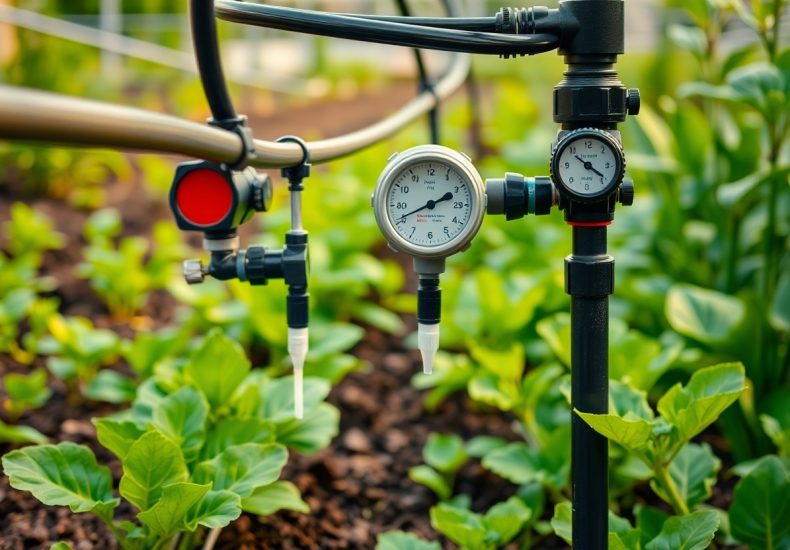
Mainline tubing delivers water from your source to the emitters. It’s crucial to choose a durable material that suits your landscape, such as polyethylene or PVC. Emitters, on the other hand, control the water flow to your plants. Various types are available, including adjustable and pressure-compensating emitters, allowing you to tailor the moisture level based on plant needs.
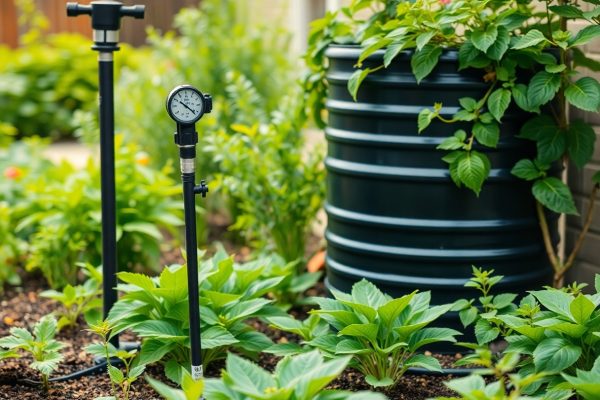
Filters and Pressure Regulators
Filters remove contaminants that can clog emitters, while pressure regulators ensure a consistent flow of water. Both are important for a well-functioning drip system, reducing maintenance needs and prolonging the life of your components.
When choosing filters, consider the type and size that will be effective for your water source, typically ranging from mesh to disc filters depending on the particulates present. Pressure regulators help maintain the optimal pressure for your system, usually between 15-30 psi, accommodating the needs of different emitters while preventing damage from excessive pressure. Using these two components together ensures that your drip irrigation system operates efficiently and delivers a steady, reliable water supply to your plants.

Installation Process
To successfully set up your drip irrigation system, follow a systematic approach that ensures each component is correctly installed for efficient water delivery. You can refer to How to Install Drip Irrigation for detailed guidance.
Setting Up the Mainline
Begin by laying out the mainline tubing along the garden beds. Make sure it runs parallel to your plants, as this will serve as the backbone of your system, distributing water effectively. Secure the tubing in place using stakes or landscape pins to prevent movement.
Installing Emitters and Drippers
After setting up the mainline, attach emitters or drippers at designated intervals based on your plants’ watering needs. This allows for targeted watering, which can significantly conserve water and promote healthy growth. Make sure the emitters are evenly spaced for consistent moisture delivery.
When installing emitters and drippers, consider the specific requirements of each plant type; for instance, heavier feeders like tomatoes benefit from emitters that provide more water, while succulents need less. You can also adjust flow rates using adjustable emitters for flexibility. Ensure that each emitter is secured and free from blockages to maintain optimal water flow. Install protective filters where necessary to prevent debris accumulation and ensure longevity of the system.
Maintenance Tips
Proper maintenance of your drip irrigation system is imperative to ensure it operates efficiently and lasts for years. Regularly check for clogs and leaks, and consider the following tips to keep your system in top shape:
- Inspect lines and emitters for blockages.
- Clean filters at least once a month.
- Adjust settings based on seasonal plant needs.
- Replace any damaged components promptly.
Recognising the signs of wear and tear early can prevent costly repairs later.
Regular Inspection and Cleaning
Conduct inspections of your drip irrigation system regularly, ideally every month. Look for signs of wear, leaks, or blockages in the tubing and emitters. Cleaning filters and emitters helps maintain optimal water flow and prevents sediment buildup. Keeping your system clean not only enhances efficiency but also extends its lifespan.
Adjusting for Seasonal Changes
Adapting your drip irrigation system throughout the seasons is vital to meet the varying water requirements of your plants. As temperatures rise in summer, you may need to increase watering frequency and duration. Conversely, during cooler months, reduce the water supply to prevent overwatering. Consider installing a timer to help automate these adjustments seamlessly.
In spring and autumn, monitor rainfall and adjust watering schedules accordingly. For instance, you could cut back on irrigation during particularly rainy periods to conserve water. Additionally, in winter, it may be prudent to drain your system to avoid frost damage. This seasonal adaptability not only supports healthy plant growth but also promotes sustainable water usage throughout the year.
Troubleshooting Common Issues
Troubleshooting your drip irrigation system is necessary for maintaining its efficiency and ensuring your plants receive adequate water. Common issues include uneven watering, clogs, and blockages that can disrupt the flow and effectiveness of your system. Identifying these problems early allows for prompt action, thus safeguarding the health of your garden.
Uneven Watering Problems
If you notice that certain areas of your garden are receiving more or less water than others, this indicates uneven watering. Factors contributing to this issue may include incorrect emitter placement, variations in soil type, or damage to hoses. Evaluating your system’s layout and making adjustments is key to resolving this inconsistency.
Clogs and Blockages
Clogs and blockages in your drip irrigation system can significantly hinder water delivery, resulting in poor plant health. Common culprits include sediment buildup in emitters or algae growth in tubing. Regular inspection and maintenance are necessary to ensure your system operates smoothly, thereby providing optimal hydration to your plants.
To effectively manage clogs and blockages, consider using a filter at the water source, which can prevent debris from entering the system. Periodically flushing your lines with clean water can also help clear out any sediment that may collect over time. Emitting pressure can drop if even one emitter is blocked, so a systematic approach to inspecting each component will help maintain consistent water distribution. If blockages persist, consider using a small brush to clean the emitters or replacing them as needed for optimal functionality.
To wrap up
As a reminder, setting up a drip irrigation system can significantly enhance the efficiency of your watering practices while conserving water. By carefully planning the layout, selecting appropriate components, and regularly maintaining the system, you can ensure your plants receive optimal moisture directly at their roots. This method not only promotes healthier growth but also reduces weed proliferation and saves time. Implementing this sustainable practice will lead to better results in your gardening or farming efforts.
FAQ
Q: What is a drip irrigation system?
A: A drip irrigation system is a type of irrigation method that delivers water directly to the root zone of plants through a network of tubing and emitters, allowing for efficient water usage and minimising evaporation.
Q: What materials do I need to set up a drip irrigation system?
A: To set up a drip irrigation system, you will typically need a water source, main supply line (polyethylene tubing), drip emitters, connectors, stakes or stands for tubing, a filter to prevent clogging, and a pressure regulator to control water flow.
Q: How do I determine the amount of water my plants need?
A: The amount of water needed varies by plant type, soil condition, and climate. Conducting soil moisture tests and observing plant health are effective methods. Generally, most plants require about 1 to 2 inches of water per week.
Q: How often should I run the drip irrigation system?
A: The frequency of operation depends on plant water needs and environmental conditions. A typical schedule may be once or twice a week, but this may need to be adjusted based on rainfall and temperature variations.
Q: Can I install a drip irrigation system myself?
A: Yes, a drip irrigation system can be installed as a DIY project. Many retailers offer kits with detailed instructions. Basic plumbing and gardening skills can assist in the installation process, but professional help may be beneficial for intricate designs.
You may also like