Water Conservation in the Garden – Smart Irrigation Techniques
You can significantly enhance your garden’s sustainability by implementing smart irrigation techniques. Efficient watering strategies not only help to conserve water but also promote healthy plant growth while reducing your utility bills. In this post, you will discover various methods and technologies that can optimise your watering practices, ensuring that you use water wisely while keeping your garden lush and vibrant.
Key Takeaways:
- Implementing drip irrigation systems can significantly reduce water waste while providing consistent moisture to plants.
- Utilising rainwater harvesting systems allows for the collection and use of natural rainfall, minimising reliance on mains water.
- Mulching around plants helps to retain soil moisture, reduces evaporation, and prevents weed growth that competes for water.

Importance of Water Conservation
Water conservation in your garden plays a vital role in sustaining local ecosystems, reducing strain on water resources, and ensuring the longevity of your plants. By adopting effective methods, such as those outlined in Smart Irrigation: Water Conservation and Efficiency, you contribute to a more sustainable environment, helping to preserve this precious resource for future generations.
Environmental Impacts
Implementing water conservation techniques significantly reduces runoff and the potential for soil erosion, fostering healthier ecosystems. Less water wastage also means more water is available for local flora and fauna, allowing biodiversity to thrive in your garden and surrounding areas.
Economic Benefits
Investing in water-saving irrigation methods can lead to substantial cost reductions. A well-designed system not only conserves water but also lowers your utility bills, saving you money over time. Many municipalities offer rebates for installing efficient irrigation systems, providing financial incentives to embrace sustainable practices.
Additionally, studies indicate that gardens incorporating smart irrigation can see water savings of up to 50%. This efficiency not only eases the burden on your water bill but also increases the overall value of your property. Healthy, well-maintained gardens positively impact property values, making water conservation not just an environmental concern but a sound economic decision as well.
Understanding Soil Moisture
Soil moisture is a key factor in determining how well your garden thrives. It is important for plant health, as it provides the necessary water for growth and nutrient absorption. Understanding the moisture levels in your soil helps you tailor irrigation practices to maintain optimum moisture conditions without wastage.
Soil Types and Water Retention
Different soil types exhibit varying capacities for water retention, which affects how moisture is available to your plants. Clay soils retain water well but can become compacted, whereas sandy soils drain quickly but require more frequent watering. Understanding your soil type is vital for effective irrigation.
| Soil Type | Water Retention |
|---|---|
| Clay | High |
| Silty | Moderate |
| Sandy | Low |
| Loamy | Balanced |
| Peaty | High |
- Understanding your soil type aids in selecting appropriate plants.
- Regular soil testing can inform your irrigation strategy.
- Mulching helps retain soil moisture by reducing evaporation.
- Amendments like compost can enhance water retention.
- Thou shall adapt your watering schedule based on soil moisture feedback.
Techniques for Measuring Moisture
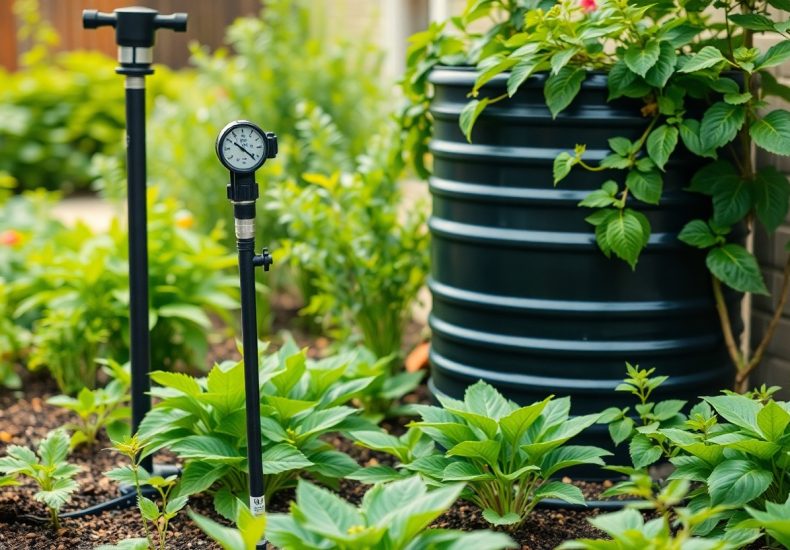
Various techniques exist to measure soil moisture accurately, ensuring you provide the right amount of water. Meter readings using digital soil moisture gauges can inform you of moisture levels, while traditional methods, such as the finger test or digging down into the soil, can give immediate feedback on moisture retention.
Investing in a reliable moisture meter provides numerical data to guide your watering decisions, making it easier to prevent over or under-watering. Alternatively, using a simple soil test by inserting your finger to a depth of 5cm can help you gauge moisture quickly. You can also employ a wooden dowel or garden tool to assess wetness, as it will feel cooler and darker when moisture is present. Understanding these techniques allows you to engage in more precise watering practices.
Smart Irrigation Systems
Implementing smart irrigation systems can significantly optimise water usage in your garden. These advanced technologies adapt to environmental conditions and plant needs, ensuring precise watering. By leveraging sensors, timers, and automated systems, you can maintain healthy plants while minimising water waste. This approach not only conserves precious resources but also promotes sustainable gardening practices.
Drip Irrigation
Drip irrigation delivers water directly to the roots of your plants through a network of tubes and emitters. This method effectively reduces evaporation and runoff, making it exceptionally efficient for watering your garden. It allows for targeted hydration, which conserves water while ensuring that your plants receive the precise moisture they require.
Smart Timers and Sensors
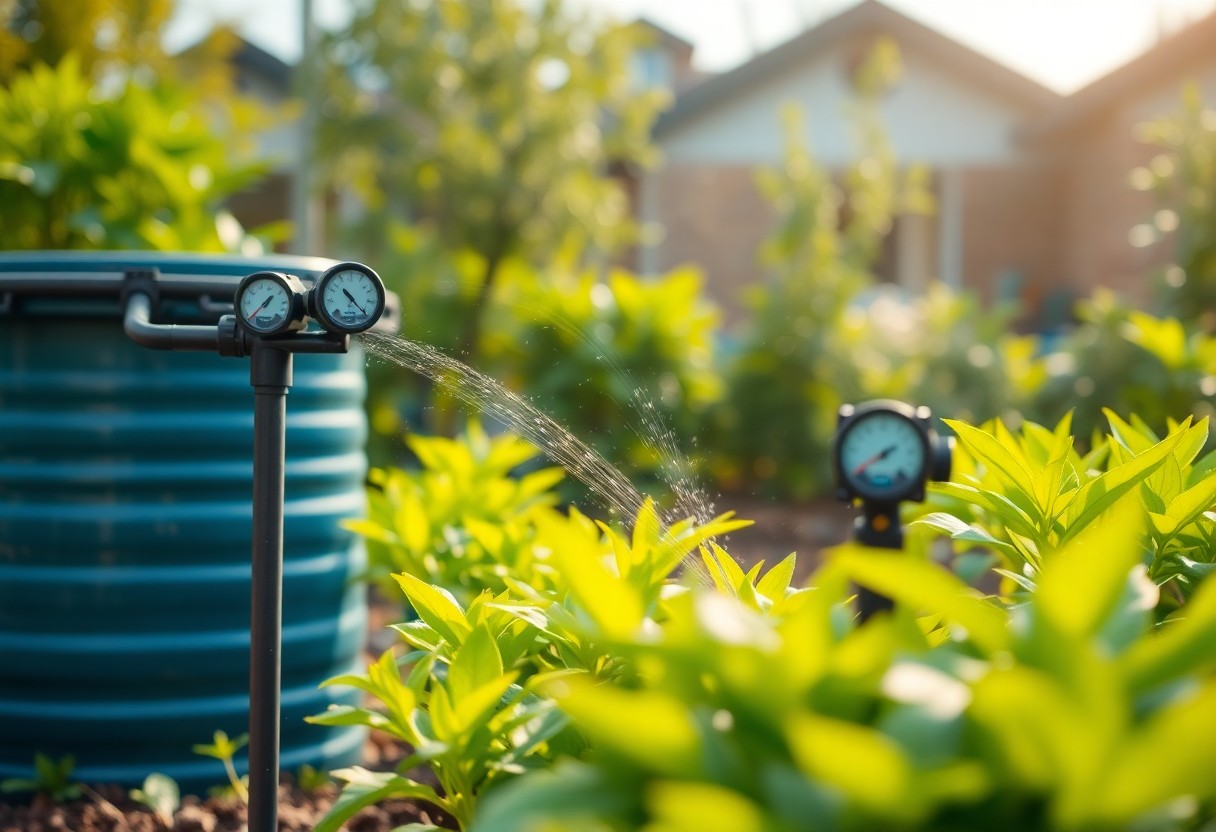
Smart timers and sensors significantly enhance irrigation efficiency by automatically adjusting watering schedules based on real-time weather data and soil moisture levels. By monitoring conditions, these technologies can prevent over-watering and ensure your plants receive optimal hydration at all times.
Advanced smart timers can connect to weather forecasts, adjusting your watering schedule according to rainfall or temperature changes. Some models utilise soil moisture sensors that measure the actual moisture content, enabling precise control over irrigation based on your garden’s unique requirements. Additionally, these systems can be programmed to operate at specific times, further minimising evaporation during hotter periods. Such smart solutions lead to more efficient water use and healthier plants, ultimately supporting your water conservation goals.
Rainwater Harvesting
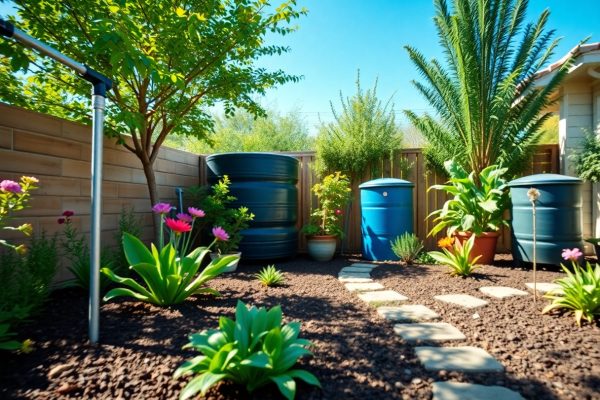
Implementing rainwater harvesting techniques can significantly reduce your reliance on mains water while providing a sustainable resource for your garden. By collecting rainwater, you can efficiently irrigate your plants, save on water bills, and contribute to environmental conservation, making your gardening practices more eco-friendly.
Collection Systems
Your collection system forms the backbone of rainwater harvesting. Simple solutions include installing gutters alongside your roof that channel rain into storage barrels. You can enhance efficiency by adding downspouts that direct water directly from your roof to the storage containers, ensuring that you maximise the volume of water collected during rainfall.
Storage Solutions
Choosing the right storage solutions is key to managing your harvested rainwater effectively. Opt for water barrels or tanks made from food-grade materials that can hold varying capacities, depending on your garden’s size and rainfall patterns. Position these units in shaded areas to reduce evaporation and consider adding filtration systems to maintain water quality.
In terms of storage solutions, consider using larger, enclosed tanks that can hold hundreds of litres if your garden demands significant irrigation. A typical 1000-litre tank can collect a substantial amount of rain from an average UK roof, enough to sustain a small to medium-sized garden throughout dry spells. Installing a first flush diverter can further enhance your system by ensuring that initial dirty runoff is not stored, which helps maintain cleaner water for your plants. Additionally, utilising a pump can facilitate easy access to the stored water, making irrigation convenient and straightforward.
Best Practices for Watering
Effective watering practices not only sustain plant health but also promote efficient water use. Knowing when and how to water can make a significant difference in your garden’s water conservation efforts. Properly timed watering coupled with efficient techniques ensures that your plants thrive while reducing wastage, enabling you to nurture them responsibly and economically.
Timing and Frequency
Watering your garden during the early morning or late evening minimises evaporation losses and maximises absorption. Ideally, aim to water once or twice a week, allowing the soil to dry out slightly between sessions, which encourages deeper root growth and resilience. Consistency is key; adapting your schedule based on seasonal weather patterns can further optimise water use.
Techniques for Efficient Watering
Utilising methods such as drip irrigation or soaker hoses can dramatically enhance water efficiency in your garden. These techniques deliver water directly to the plant roots, reducing evaporation and runoff. Additionally, mulching around plants helps retain soil moisture and suppresses weeds, contributing to less frequent watering. Observing your garden’s specific needs will guide you to refine your watering approach.
Drip irrigation systems deliver water directly to the root zone of plants through a network of tubes and emitters, allowing for deep and efficient penetration with minimal waste. Particularly advantageous for vegetable gardens and flower beds, they can reduce water use by up to 50% compared to traditional methods. To further enhance efficiency, combine these systems with timers or moisture sensors, which automatically adjust watering schedules based on real-time soil moisture levels, ensuring your plants receive optimal hydration without excess. This creates a sustainable garden that thrives while conserving precious water resources.
Native and Drought-Resistant Plants
Utilising native and drought-resistant plants in your garden significantly reduces water usage while promoting biodiversity. These plants are well-adapted to local climates, requiring less irrigation and maintenance. You can explore more about this at Outdoor Water Conservation: Smart Irrigation & Other ….
Benefits of Native Species
Native species offer several advantages, including reduced water needs and enhanced resilience to local pests and diseases. They thrive naturally in your area’s climate and soil, promoting biodiversity and supporting local wildlife, making your garden a vibrant ecosystem.
Plant Selection for Water Savings
Selecting the right plants can lead to substantial water savings. By opting for drought-resistant varieties, you ensure your garden thrives even during dry spells, minimising the need for extensive irrigation and aligning with sustainable gardening practices.
When choosing plants for water savings, consider those that are native to your region, as they typically thrive with minimal water input. Xeriscaping plants, such as succulents or Mediterranean herbs, can be excellent choices. Investigating local nurseries can also yield drought-tolerant options tailored to your environment. Implementing these selected plants not only conserves water but also creates a garden that requires less maintenance and fosters ecological balance.
Summing up
Ultimately, implementing smart irrigation techniques in your garden not only conserves water but also promotes healthier plants. By using drip irrigation systems, timers, and rain sensors, you can significantly reduce water waste while ensuring that your garden receives optimal moisture. Adopting these methods allows you to maintain a vibrant garden in an environmentally friendly manner, enhancing both your gardening experience and sustainability efforts.
You may also like