Best Soil Mixes for Raised Beds – Get the Most Out of Your Crops
With the right soil mix, you can significantly enhance the productivity of your raised beds. Understanding the specific needs of your crops is imperative for creating a fertile environment that promotes healthy growth. This guide will equip you with the knowledge to select and combine soil components, ensuring your plants receive optimal nutrients and drainage. By following these recommendations, you can maximise your crop yields and enjoy a bountiful harvest.
Key Takeaways:
- Utilise a blend of topsoil, compost, and other organic materials for optimal nutrient availability.
- Ensure proper drainage by incorporating materials like perlite or vermiculite into the mix.
- Adjust soil pH to suit specific crops, typically aiming for a range between 6.0 and 7.0 for most vegetables.
Understanding Soil Composition
Soil composition plays a vital role in determining your crops’ success in raised beds. A proper mix combines organic matter, minerals, water, and air, creating an environment conducive to healthy plant growth. Understanding the relationship between these components helps you tailor your soil to meet the specific needs of your chosen plants, ensuring optimum nutrition and moisture retention, which are keys to maximising yield.
Key Components of Soil
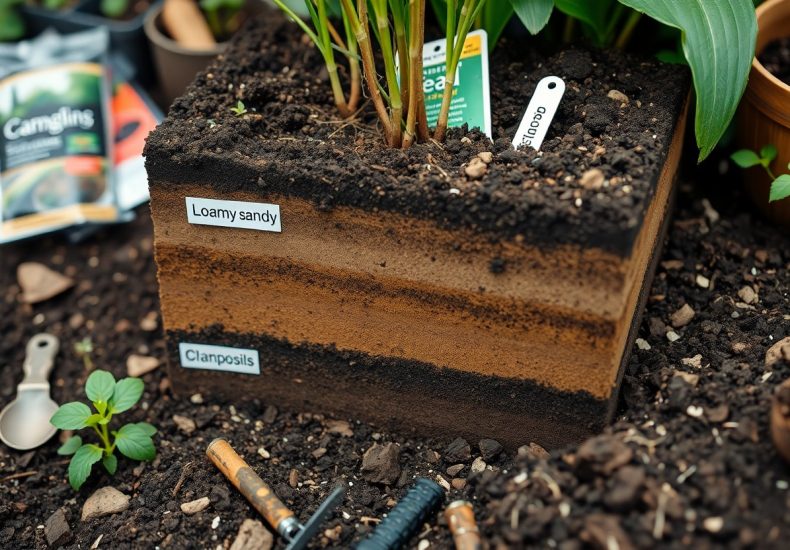
Your soil’s effectiveness hinges on its key components: mineral particles, organic matter, water, and air. The mineral particles, comprising sand, silt, and clay, contribute to the soil’s texture and drainage capabilities. Organic matter, such as compost, enhances nutrient retention and promotes microbial activity. Water is necessary for plant hydration, while air within the soil facilitates root respiration, creating a balanced environment for growth.
Importance of Soil pH
The pH level of your soil significantly influences nutrient availability for your crops. Generally, a pH between 6.0 and 7.0 works best for most plants, as this range optimises nutrient solubility. An imbalance in pH can lock out necessary nutrients or make them too available, causing toxicity. Regular testing of your soil’s pH is necessary to ensure your raised beds provide the ideal growing conditions for your crops.
A soil pH outside the optimal range can lead to poor crop performance. For instance, if your soil is too acidic (below 6.0), nutrients like phosphorus become less accessible, which is critical for root development and flowering. Conversely, overly alkaline soil (above 7.0) can cause deficiencies in micronutrients such as iron and manganese. Therefore, to keep your plants thriving, consider using amendments like lime to raise pH or sulphur to lower it, effectively creating a balanced environment for nutrient uptake.

Types of Soil Mixes for Raised Beds
Choosing the right soil mix for your raised bed is vital for maximising crop yield and overall health. Various types of blends cater to different gardening needs.
- All-purpose soil mix
- Vegetable garden mix
- Flower bed mix
- Cactus and succulent mix
- Herb mix
Recognising the specific requirements of your plants will guide you in selecting the ideal soil mix for your raised beds.
| Soil Mix | Description |
|---|---|
| All-purpose soil mix | Versatile blend suitable for a range of plants. |
| Vegetable garden mix | Optimised for vegetable growth with balanced nutrients. |
| Flower bed mix | Perfectly balanced for vibrant flowering plants. |
| Cactus and succulent mix | Drainage-focused mix for drought-resistant plants. |
| Herb mix | Custom blend to support herb growth and flavour. |
Vegetable Garden Mix
A vegetable garden mix typically consists of topsoil, compost, and organic matter, ensuring your vegetables thrive by providing vital nutrients and improving drainage and aeration. This blend helps establish a robust root system, ultimately leading to higher yields.
Flower Bed Mix
Flower bed mixes are designed specifically for flowering plants, ensuring adequate drainage and nutrient retention. They usually consist of topsoil, peat moss, and balanced fertilisers, creating an ideal environment for vibrant blooms.
This mix supports the unique needs of various flowers, catering to their specific nutrient and moisture requirements. With components that enhance aeration and retain water, your flower beds will flourish, producing colourful and healthy plants throughout the growing season. Adjustments can be made based on flower types, ensuring optimal growth conditions for each variety.
Customising Your Soil Mix
To optimise your raised bed’s performance, tailoring your soil mix to the specific needs of your crops is key. This involves understanding the types of plants you’re growing and their nutrient requirements. By adjusting the components of your soil, you can create a balanced environment that promotes healthy growth. Consider factors such as drainage, aeration, and water retention for your particular garden conditions to ensure your crops reach their full potential.
Adding Organic Matter
Incorporating organic matter is vital for enhancing soil structure and fertility. Materials such as well-rotted manure, compost, and leaf mould not only improve moisture retention but also provide vital nutrients. As you mix these components in, aim for a ratio that benefits your crops—typically around 30% organic matter can significantly boost microbial activity and overall soil health.
Incorporating Minerals
Minerals play a significant role in soil health, influencing plant growth and metabolism. Incorporating mineral amendments such as rock phosphate, greensand, or gypsum can address specific deficiencies and improve the overall nutrient profile of your soil. For example, rock phosphate is rich in phosphorus, which is vital for root development and flowering. A soil test will help you determine which minerals to add and in what quantities to create the ideal growing environment.
Incorporating minerals is not just about enriching your soil; it’s about creating a balanced ecosystem that supports plant vitality. For instance, magnesium from dolomitic limestone aids photosynthesis, while potassium promotes overall plant health and disease resistance. When adding minerals, consider the existing soil composition and specific crop requirements. Gradually introduce these minerals to avoid overwhelming your plants, ensuring they can absorb them effectively and thrive in a nutrient-rich environment.
Drainage and Aeration Solutions
Effective drainage and aeration are fundamental for a thriving raised bed garden. Without proper management, excess water can become stagnant, leading to root rot and poor plant growth. Conversely, an adequately aerated soil encourages healthy root development and nutrient uptake. Implementing the right strategies will enhance your soil’s performance and ensure your crops flourish.
Importance of Drainage
Good drainage prevents waterlogging, which can suffocate roots and hinder their ability to absorb oxygen and nutrients. It’s necessary to maintain a balanced moisture level in your raised beds, as many plants thrive in well-draining soil. By ensuring excess water can escape, you protect your crops from diseases and promote robust growth.
Techniques for Improving Aeration
Aeration can be effectively boosted through various techniques. You might consider incorporating materials such as perlite or vermiculite into your soil mix, which create air pockets and improve airflow. Additionally, regularly turning your soil or using a broadfork can enhance structure and prevent compaction, further allowing roots to access vital resources. Cover cropping during off-seasons can also add organic matter, enriching the soil and improving its aeration over time.
Seasonal Adjustments to Soil Mixes
Adapting your soil mix to the seasons ensures that your raised beds remain fertile and productive throughout the year. As crops grow and decompose, the nutrient requirements shift. During peak growing seasons, incorporating organic matter like compost or well-rotted manure enhances fertility. Conversely, in dormant months, it’s vital to assess and replenish the nutrients. For guidance on optimal soil choices, check out What Type of Garden Soil Is Best for Raised Beds?.
Spring Preparation
In spring, focus on revitalising your soil mix by incorporating fresh compost, organic fertilisers, and well-rotted manure. This boosts nutrient levels and enhances soil structure, paving the way for robust plant growth. Aim for a balance of nitrogen-rich materials to encourage leafy growth in your crops.
Fall Amendments
During the fall, it’s important to add amendments like leaf mould or green manure to prepare your beds for winter. This not only enriches the soil but also protects it from erosion and nutrient leaching. Cover any exposed soil to prevent nutrient loss over the colder months.
Incorporating amendments in the fall provides long-term benefits, as the organic materials break down over winter, gradually releasing nutrients that will be available come spring. This practice enriches your soil’s microbial activity, leading to healthier plants. Additionally, adding worm castings can significantly enhance your soil’s fertility, ensuring that when you plant in the spring, your crops will thrive from the start.
Maintaining Soil Health
To maximise the productivity of your raised beds, maintaining soil health is imperative. This involves ensuring a balance of nutrients, good drainage, and organic matter. Regular additions of compost can bolster your soil’s fertility while microbial life supports plant growth. For more insights, explore The Ideal Soil Mix for a Raised Bed.
Regular Testing and Amendments
Conducting regular soil tests allows you to assess pH levels, nutrient availability, and any deficiencies. You can amend your soil accordingly with fertilisers, lime, or organic matter to keep your crops thriving. This proactive approach ensures that the soil remains balanced and conducive to healthy plant development.
Crop Rotation Benefits
Implementing crop rotation in your raised beds can significantly enhance soil health and crop yields. Different crops have varied nutrient requirements and pest vulnerabilities. Rotating them helps replenish soil nutrients and disrupt pest cycles, reducing the need for chemical interventions.
Crop rotation promotes biodiversity within your garden ecosystem, leading to healthier soil. For instance, planting legumes after heavy feeders like tomatoes can restore nitrogen levels, benefiting subsequent crops. This practice not only maximises space utilisation but also minimises disease risk, ensuring that your raised beds remain productive across growing seasons.
Summing up
So, selecting the best soil mixes for your raised beds is important for optimising your crop yield. By combining quality ingredients like compost, peat, and perlite, you can create a nutrient-rich environment that supports healthy plant growth. Assessing your specific needs based on the type of crops you wish to grow will guide you in crafting the ideal mix. With the right soil, you will enhance moisture retention, drainage, and overall soil health, ensuring that your gardening efforts flourish and provide abundant harvests.
You may also like