Crop Rotation in Raised Beds – Keep Your Soil Healthy
You can significantly enhance the health of your soil by implementing crop rotation in your raised beds. This practice helps to prevent nutrient depletion, reduces pest build-up, and improves soil structure. By changing your planting arrangement each season, you can ensure a more productive garden. If you’re unsure about how to start, do you rotate crops in your raised beds? This post will guide you through the necessarys of effective crop rotation.
Key Takeaways:
- Crop rotation enhances soil fertility by varying nutrient demands of different plants.
- It helps in reducing pests and diseases by interrupting their life cycles.
- Maintaining biodiversity through rotation can improve soil structure and health.
Understanding Crop Rotation
Effective management of your raised beds requires an understanding of crop rotation, a practice that involves alternating the types of crops grown in specific plots over time. This method helps in maintaining soil health and optimising crop yields by preventing nutrient depletion and controlling pests and diseases. By embracing crop rotation, you can create a sustainable environment for your plants, ultimately leading to more robust harvests.
Definition of Crop Rotation
Crop rotation is the agricultural practice of planting different crops in the same area across seasons. This involves a systematic approach where specific plant families are alternated to take advantage of their unique nutrient requirements and growth patterns, thereby supporting a balanced ecosystem in your soil.
Importance for Soil Health
Implementing crop rotation significantly enhances soil health by preventing nutrient exhaustion and improving soil structure. Different crops contribute various organic matter and nutrients back into the soil, promoting biodiversity and a thriving microbial community, which are imperative for nutrient cycling.
A well-planned crop rotation strategy not only replenishes imperative nutrients but also enhances soil structure and reduces compaction. For instance, legumes, when included in your rotation, can fix nitrogen in the soil, while deeper-rooted plants like carrots can break up compacted layers. This diverse planting regime supports beneficial soil organisms, reducing reliance on chemical fertilisers and promoting natural pest control, creating a balanced ecosystem that fosters healthy plant growth.
Benefits of Raised Bed Gardening
Raised bed gardening offers numerous advantages that significantly enhance your gardening experience. It allows for better control over soil quality, providing an environment that supports healthy plant growth. The elevated structure also makes gardening more accessible, reducing strain on your back and knees. With improved drainage and aeration, raised beds can lead to increased crop yields and extended growing seasons, making them an efficient choice for both novice and seasoned gardeners.
Enhanced Soil Drainage
Raised beds facilitate superior soil drainage, preventing waterlogging and ensuring roots have access to necessary oxygen. This is particularly beneficial in regions with heavy rainfall, as excess water can be detrimental to plant health. By elevating the soil, moisture level control becomes easier, allowing you to maintain optimal conditions for your plants.
Improved Soil Structure
The structure of soil in raised beds tends to be far superior to that of traditional gardens. You can easily amend the soil with organic matter, promoting a loose, crumbly texture that encourages root growth and enhances nutrient availability. This mixture allows for proper aeration and reduces compaction, making it easier for plants to thrive.
With improved soil structure, you’re necessaryly creating the ideal environment for beneficial microorganisms and earthworms to flourish. These organisms help break down organic matter and cycle nutrients back into the soil, which means your plants benefit from a steady supply of vital nutrients. Also, the ease of adding compost and amendments allows you to tailor the soil to meet the specific needs of your chosen crops, further promoting robust growth and higher yields.
Techniques for Effective Crop Rotation
To maximise the benefits of crop rotation in your raised beds, utilise several techniques that promote soil health and optimise yields. Begin by creating a rotational plan that considers crop families, growth cycles, and nutrient requirements. This method not only reduces pest and disease risks but also enhances the longevity of your soil’s fertility. Regularly monitor plant health to adjust your strategies as needed, ensuring a resilient and productive garden year after year.
Planning Your Crop Schedule
Establish a planting calendar that outlines what crops to plant and when, taking into account their growth patterns and seasonal requirements. For instance, fast-growing crops like radishes can be followed by slower-growing plants such as tomatoes in the same bed, providing you with continuous production and maximising your space. Aim for diversity to enrich your soil and keep it vibrant.
Crop Family Classification
Understanding crop families enables you to group plants according to their botanical relationships, which in turn allows for more effective rotation strategies. Members of the same family often share similar nutrient needs and susceptibilities to pests, making it critical to rotate these families to maintain soil health.
Classifying crops into families involves recognising common traits and behaviours. For instance, legumes (like peas and beans) enrich the soil by fixing nitrogen, while brassicas (such as cabbage and broccoli) can deplete nutrients. Implementing this knowledge, you should rotate legumes with heavy feeders like corn and potatoes to allow soil regeneration. This planning not only benefits plant health but also supports biodiversity and ecosystem balance in your garden.
Best Crops for Rotation in Raised Beds
Rotating crops in raised beds is crucial for maintaining soil health and maximising yields. Consider planting legumes, such as peas and beans, which fix nitrogen in the soil. Brassicas, like broccoli and kale, thrive after legumes and help suppress pests. Root vegetables, including carrots and beetroot, can follow leafy crops to prevent disease build-up. Additionally, incorporating herbs like basil and mint can enhance flavours and deter pests, creating a balanced ecosystem within your raised beds.
Vegetables that Thrive in Rotation
Your raised bed can benefit immensely from a variety of vegetables tailored to a rotation plan. Crops like onions and garlic can precede leafy greens to improve soil structure, while nightshades, such as tomatoes and peppers, thrive after legumes. This strategic rotation helps reduce pests and disease, ensuring you maximise productivity in your garden.
Companion Planting Strategies
Incorporating companion planting within your rotation enhances plant growth and pest resistance. For instance, pairing marigolds with tomatoes deters nematodes, while planting borage alongside strawberries improves their flavour and health. This method optimises space and encourages beneficial insects, creating a more vibrant and productive garden.
Companion planting not only boosts the vitality of individual crops but also promotes a synergistic environment in your raised beds. For example, planting aromatic herbs, like dill and coriander, with your vegetables can attract pollinators and predatory insects that control pests. By strategically selecting companions, you can create a self-sustaining ecosystem, improving the yields and resilience of your garden. Incorporating flowers, such as nasturtiums, can deter harmful insects while providing vibrant colour, making your raised beds both functional and aesthetically pleasing.
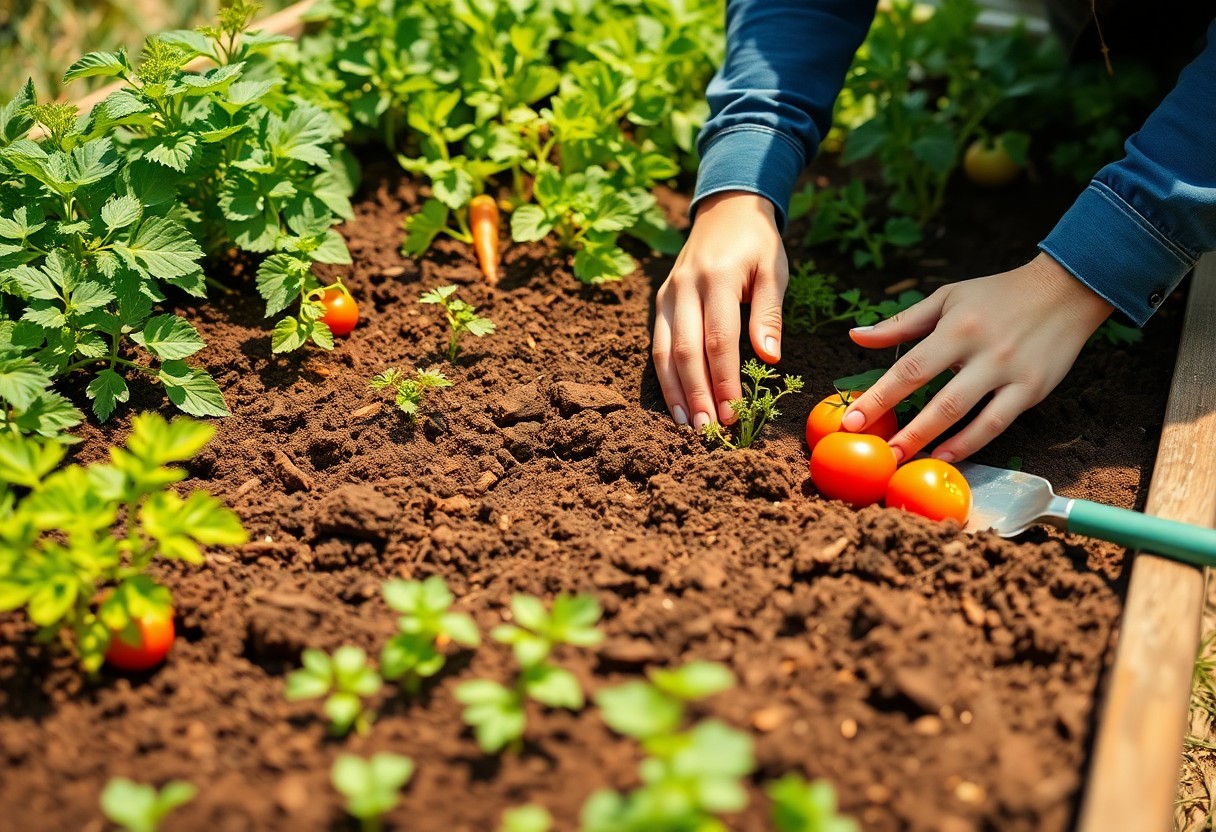
Managing Soil Fertility
To maintain robust soil fertility, you must regularly assess and amend your soil. Incorporating organic matter, such as compost or well-rotted manure, can significantly boost nutrient levels and improve soil structure. Additionally, rotating your crops helps break pest and disease cycles while ensuring a diverse array of nutrients. For in-depth strategies, explore The Art of Crop Rotation for Home Gardens: A Guide to ….
Organic Amendments and Fertilisers
Utilising organic amendments and fertilisers, like bone meal or fish emulsion, enriches your soil with vital nutrients while enhancing its biological activity. These amendments promote a healthier soil ecosystem, leading to more vigorous plant growth. Regular testing and application ensure that your raised beds remain nutrient-rich throughout the growing season.
Cover Crops and Their Role
Cover crops serve as an excellent tool for improving soil health between growing seasons. Planting legumes, for example, fixes nitrogen in the soil, which is vital for subsequent crops. Additionally, cover crops prevent soil erosion and suppress weeds while providing organic matter when tilled back into the soil.
Furthermore, specific cover crops, such as clover and rye, can help enhance soil structure, promote biodiversity, and improve overall fertility. When they are grown and then incorporated into the soil, these plants contribute vital nutrients and create a more resilient ecosystem, ensuring that your raised beds thrive year after year. Their presence encourages beneficial soil organisms, further bolstering the contribution to your garden’s productivity.
Common Mistakes to Avoid
Avoiding common pitfalls in crop rotation is imperative for sustaining soil health. One significant error is neglecting soil testing, which can lead you to make uninformed decisions regarding amendments and crop choices. Moreover, misjudging crop timing can disrupt growth cycles and waste valuable resources.
Ignoring Soil Testing
Overlooking soil testing can severely impact your garden’s productivity. Testing provides insights into nutrient levels, pH balance, and soil structure. Failing to assess these factors might mean you’re unaware of deficiencies or toxicities, leading to poor crop performance.
Improper Crop Timing
Planting crops at the wrong time can hinder their development and yield. For instance, cool-season crops, like peas and lettuce, should be sown early in the spring, whereas warm-season crops, such as tomatoes and peppers, thrive when planted after the last frost. Timing is particularly critical for succession planting; incorrect intervals can result in overlap or gaps, reducing overall harvests.
Conclusion
Drawing together the principles of crop rotation in raised beds, you can significantly enhance your soil health and productivity. By alternating plant families, you reduce pest and disease build-up, improve nutrient availability, and foster a balanced ecosystem. Implementing this practice not only maximises your harvest but also contributes to long-term fertility and resilience of your garden. Embracing crop rotation will ultimately empower you to cultivate a thriving and sustainable growing environment.
You may also like