Raised Bed Layout Ideas for Maximum Yield in Small Spaces
Yield is the primary goal when cultivating your garden, especially in small areas. By employing clever raised bed layouts, you can maximise your growing potential without compromising space. This blog post will guide you through innovative design ideas that enhance productivity and ensure that every inch of your garden is effectively utilised. Explore Raised Beds for Small Yards: Space-Saving … techniques to elevate your gardening game.
Key Takeaways:
- Optimise vertical space by incorporating trellises and plant supports for climbing plants.
- Implement companion planting to maximise space and enhance crop productivity.
- Design raised beds with varied dimensions to accommodate a diverse range of crops and growth habits.
Understanding Raised Bed Gardening
Raised bed gardening offers a practical and efficient approach to growing your own food, particularly in limited spaces. By constructing raised beds, you enhance soil quality, control drainage, and extend the growing season. You can explore 7 Vegetable Garden Layout Ideas To Grow More … to make the most of your garden design.
Benefits of Raised Beds
Utilising raised beds provides numerous advantages, such as improved soil quality, better drainage, and easier access for maintenance. They can reduce soil compaction and make weeding more manageable, leading to healthier plant growth. Additionally, the organised layout maximises space, allowing you to grow a wider variety of crops.
Optimal Dimensions for Small Spaces
When designing raised beds for compact areas, standard dimensions such as 1.2 metres wide and 2.4 metres long are often effective. These sizes allow you to reach the centre of the bed comfortably without stepping onto the soil, preserving its structure and drainage qualities. Customising the height based on your needs can also provide ease of access.
In small spaces, it’s beneficial to limit your raised beds to a width of about 1.2 metres, as this measurement allows you to work comfortably from either side. Length can vary depending on your available area, but a length of up to 2.4 metres is common. For height, consider 30 to 60 centimetres, depending on what crops you want to grow and your comfort level while gardening. Creating beds with these optimal dimensions not only maximises your growing potential but also makes maintenance simpler and more enjoyable.
Planning Your Layout
Your raised bed layout significantly influences your gardening success. Begin by determining the dimensions of your beds and the types of plants you wish to grow. Consider the spacing requirements, as overcrowding can hinder growth and air circulation. A well-thought-out layout allows you to maximise space, enhance accessibility, and ensure effective watering and maintenance.
Sunlight and Shade Considerations
Evaluating the sunlight and shade in your garden is key to planning your layout effectively. Observe how sunlight moves across your space throughout the day. Most vegetables require at least six hours of direct sunlight, so position your beds accordingly to avoid shading from nearby structures or trees.
Companion Planting Strategies
Integrating companion planting into your layout can boost productivity and deter pests. Position plants that mutually benefit each other close together; for example, tomatoes and basil thrive alongside one another, enhancing flavour and growth. Utilise your space wisely by grouping plants with similar needs.
Companion planting not only fosters beneficial relationships between plants but can also create a more resilient garden. For instance, planting marigolds with vegetables can repel nematodes, while legumes like peas and beans fix nitrogen in the soil, enriching it for heavy feeders like corn. This strategy allows you to optimise space and yield while managing pests naturally. Certain combinations can even enhance flavour; for example, carrots and onions help each other by repelling pests that might affect one another. By understanding and applying these strategies, you can increase your overall harvest and improve plant health.
Designing for Accessibility
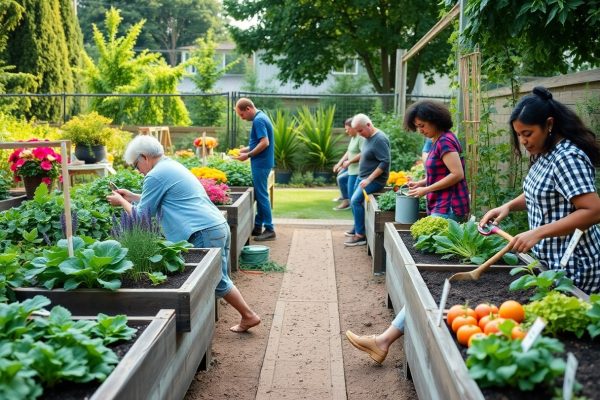
Creating accessible raised beds ensures that everyone can participate in gardening, regardless of mobility. Adjusting the height of your beds can reduce strain on your back, while ensuring that pathways are wide enough allows for wheelchair access. Incorporating features such as seating areas or tools within easy reach can enhance the gardening experience, making it enjoyable for all users.
Pathways and Reach
When designing your garden, consider the width of pathways to facilitate easy movement and accessibility. Ideally, pathways should be at least 75 centimetres wide, allowing for comfortable navigation between beds. Arranging your raised beds in a layout that minimises distance to the plants will enable you to tend to your garden without overexertion, ensuring a pleasant experience.
Vertical Gardening Techniques
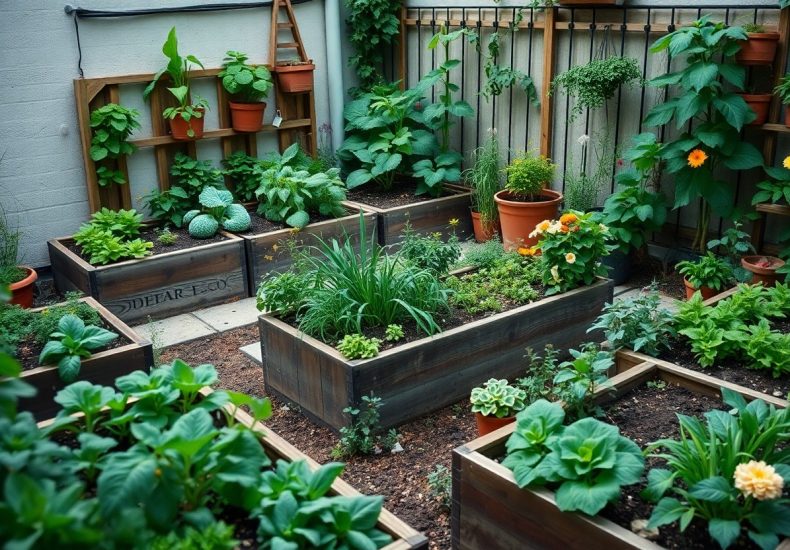
Utilising vertical gardening techniques maximises your growing space by using vertical structures to support plants. This method not only conserves ground space but also enhances air circulation and sunlight exposure, contributing to healthier plants and higher yields. You can incorporate trellises, wall-mounted planters, or even repurposed materials like pallets to create dynamic growing spaces.
Vertical gardening techniques are particularly beneficial in small spaces as they allow you to grow a variety of plants, from climbing beans and peas to trailing strawberries. Installing vertical structures, such as trellises or containers, encourages plants to grow upwards rather than outwards, freeing up vital ground space for additional crops. Using different levels can create a microclimate, providing your plants with optimal conditions and making harvesting more straightforward. This approach not only increases your overall yield but also adds a visual element to your garden design, making it more aesthetically pleasing and functional.

Crop Rotation and Soil Health
Implementing crop rotation in your raised beds not only optimises yields but also significantly enhances soil health. By alternating the types of crops grown in each bed, you reduce the risk of pests and diseases, promote biodiversity, and improve soil fertility. Rotation allows specific nutrients to replenish in the soil, ensuring a sustainable growing environment for your plants.
Importance of Rotation
Rotation prevents soil nutrient depletion and hinders the buildup of pests and diseases. By rotating crops, you allow the soil to recover its nutrients, especially after heavy feeders like tomatoes and corn, making way for nitrogen-fixing crops like legumes, which enrich the soil for subsequent plantings.
Soil Preparation Tips
Proper soil preparation is vital for ensuring healthy plant growth and maximising yields. Begin by clearing your bed of any weeds or debris, then use a garden fork to aerate and loosen the soil. Incorporate organic matter, such as well-rotted compost or leaf mould, to enhance soil structure and fertility. Testing soil pH can guide you in adding any necessary amendments for optimal growing conditions.
- Aerate your soil to improve drainage
- Add compost to boost nutrient levels
- Test pH and adjust as needed
- Ensure good weed management before planting
- Rotate crops annually to maintain soil health
- The quality of your soil will reflect in your crop yield.
Consider the specific needs of your upcoming crops when preparing your soil. For instance, root vegetables benefit from loose, well-drained soil, while leafy greens thrive in nutrient-rich environments. You might also want to add specific amendments, such as lime for acidic soils or organic fertilisers tailored to the plants you intend to grow, ensuring your soil is perfectly primed for a bountiful harvest.
- Assess the existing soil structure and amend where necessary
- Incorporate green manures to enrich the soil
- Rotate different plant families to optimise soil conditions
- Mulch to retain moisture and suppress weeds
- The effort you put into soil preparation results in healthier, more productive plants.
Seasonal Planting Guides
Effectively planning your planting schedule can dramatically enhance your yield in raised beds. By understanding seasonal dynamics, you can maximise your harvests throughout the year. You can rotate crops based on the best growing seasons for each plant type, ensuring that your beds remain productive, and you enjoy a steady supply of fresh produce.
Cool-Season vs Warm-Season Crops
Cool-season crops, such as spinach and peas, thrive in lower temperatures and can often be sown in early spring or late summer for a secondary harvest. In contrast, warm-season crops like tomatoes and peppers require warmer weather and should be sown after the last frost for optimal growth. This distinction helps you to better plan your planting timeline.
Year-Round Growing Strategies
Utilising year-round growing strategies ensures that your raised beds remain productive through all seasons. You can achieve this by selecting a variety of crops suited to different climates, employing season-extending techniques such as cloches or cold frames, and rotating crops to avoid soil depletion. Additionally, companion planting can help enhance growth and protect plants from pests.
For year-round growing, consider integrating hardy greens like kale and Swiss chard that can survive frost, while also planting successive batches of root vegetables. Utilising poly tunnels provides temperature regulation, allowing you to start seedlings earlier in spring and extend harvests into autumn. Aligning planting with local climate patterns and leveraging microclimates within your garden can optimise your yields across the seasons, ensuring a continuous supply of fresh produce. This proactive approach fosters resilience in your gardening efforts, transforming your raised beds into a productive oasis year-round.

Troubleshooting Common Issues
Despite your best efforts, you may encounter common challenges in raised bed gardening. Identifying issues like poor plant growth, yellowing leaves, or insufficient yields can lead to timely solutions. Regular monitoring and adjustments to your garden can maximise productivity. Ensure you assess plant spacing, soil nutrition, and watering routines to diagnose any underlying problems effectively.
Pest Management in Raised Beds
Managing pests in raised beds often requires a proactive approach. By implementing companion planting, you can deter harmful insects naturally. For example, pairing marigolds with vegetable crops can reduce nematode populations, while herbs like basil can repel certain pests. Regularly inspect your plants for signs of infestation and consider organic pesticides when necessary.
Soil and Water Management
Effective soil and water management is vital for your raised bed success. High-quality soil, rich in organic matter, improves moisture retention and nutrient availability. Ensure adequate drainage to prevent root rot, and consider implementing drip irrigation to provide consistent moisture without overwatering your plants.
To enhance soil and water management, you might incorporate mulch to retain moisture and regulate temperature. Organic materials, such as straw or wood chips, not only suppress weeds but also decompose over time, enriching your soil. Conducting regular soil tests allows you to monitor pH and nutrient levels, enabling you to amend your soil accordingly. Additionally, water deeply and less frequently to encourage deep root growth, ensuring your plants are resilient and productive.
Conclusion
From above, it’s clear that optimising your raised bed layout can significantly enhance your yield, even in limited spaces. By implementing methods such as companion planting, vertical gardening, and strategic planting schedules, you can maximise your harvest throughout the growing season. Consider the unique dimensions of your space, and choose configurations that suit your gardening goals, ensuring you make the most of every inch. With thoughtful planning and execution, your small garden can flourish and provide a bountiful yield.
You may also like