How to Create a Thriving Balcony Garden in the City
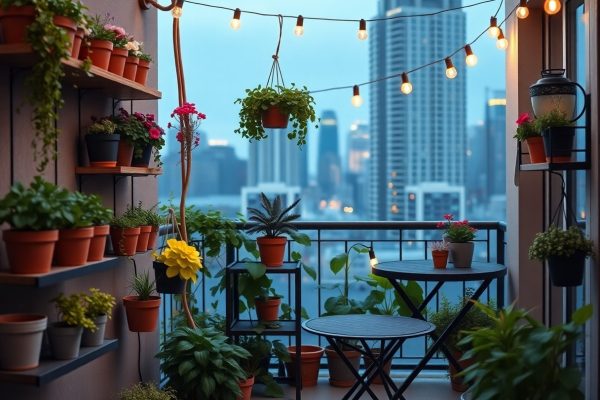
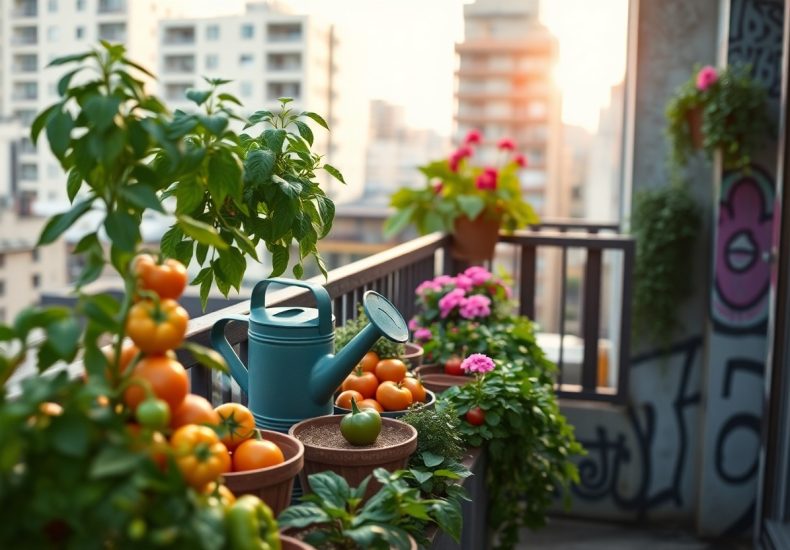
Most urban dwellers underestimate the potential of their balconies for gardening. With a little planning and effort, you can transform your outdoor space into a flourishing oasis filled with plants that beautify your environment and enhance your well-being. This guide will provide vital tips to help you choose the right plants, maximise your space, and cultivate a garden that thrives even in the bustling cityscape. Embrace the opportunity to create your personal green sanctuary amidst the concrete jungle.
Key Takeaways:
- Choose plants that suit your climate and available sunlight for optimal growth.
- Utilise vertical gardening techniques to maximise space and create an appealing layout.
- Incorporate proper drainage and quality soil to support plant health and prevent waterlogging.
Understanding Urban Gardening
Urban gardening is a practice that transforms small spaces into lush green retreats amid concrete jungles. It encompasses various techniques to grow plants, from containers and vertical gardens to hydroponics. Your balcony can offer an ideal spot to create a thriving garden, optimising limited space and enhancing your living environment. For inspiration on small-scale gardening, explore 21 Balcony Garden Ideas for Beginners in Small Apartments.
Benefits of Having a Balcony Garden
A balcony garden provides numerous advantages, including improved air quality, access to fresh herbs and vegetables, and enhanced aesthetics. It also offers a therapeutic escape from urban life, promoting relaxation and reducing stress. The presence of greenery can enhance your property’s value and contribute to a more sustainable lifestyle, allowing you to grow your food in the heart of the city.
Challenges of Gardening in the City
City gardening presents unique challenges such as limited space, varying light conditions, and potential pollution. You may struggle with poor soil quality and may need to invest in quality compost and soil amendments. Additionally, the urban heat island effect can lead to extreme temperature fluctuations that affect plant health, requiring careful monitoring and adaptation.
Moreover, access to sunlight is often compromised by surrounding buildings and structures, making it vital to select plants that thrive in partial shade or low light. Wind exposure on balconies can also desiccate plants quickly, necessitating the use of protective barriers. Pest management can be more complex due to the proximity of neighbours and shared spaces, demanding vigilance to maintain a healthy garden. With these challenges, strategic planning and a little creativity can transform your balcony into a green oasis.
Essential Factors for a Thriving Balcony Garden
To cultivate a successful balcony garden, several key elements must be considered. Focusing on these imperatives will help you create a lush and productive environment. Pay attention to factors such as sunlight exposure, wind protection, soil quality, and plant selection. Regular maintenance and monitoring will ensure your garden flourishes throughout the seasons. Thou must embrace these fundamentals for the best results.
- Sunlight exposure
- Wind protection
- Quality soil
- Right plant selection
- Maintenance practices
Sunlight Requirements
Your balcony garden’s success largely revolves around adequate sunlight. Most plants need at least six hours of direct sunlight daily. Observe your balcony’s sun patterns to determine the best spots for planting. South-facing balconies typically receive the most light, while north-facing ones may require shade-tolerant varieties. Selecting appropriate plants for your sunlight conditions is paramount.
Wind Protection Strategies
Wind can pose significant challenges to balcony gardens, especially in urban settings. To shield your plants from harsh winds, consider using windbreaks such as trellises, lattice panels, or plant walls. These constructs not only protect your garden but can also create a microclimate, promoting growth. Strategic placement of heavier pots can help anchor lighter plants, while creating a layered planting approach offers additional defence against gusts. Thou shall plan for wind resiliency to ensure your garden thrives despite the elements.
Schoosing the Right Plants
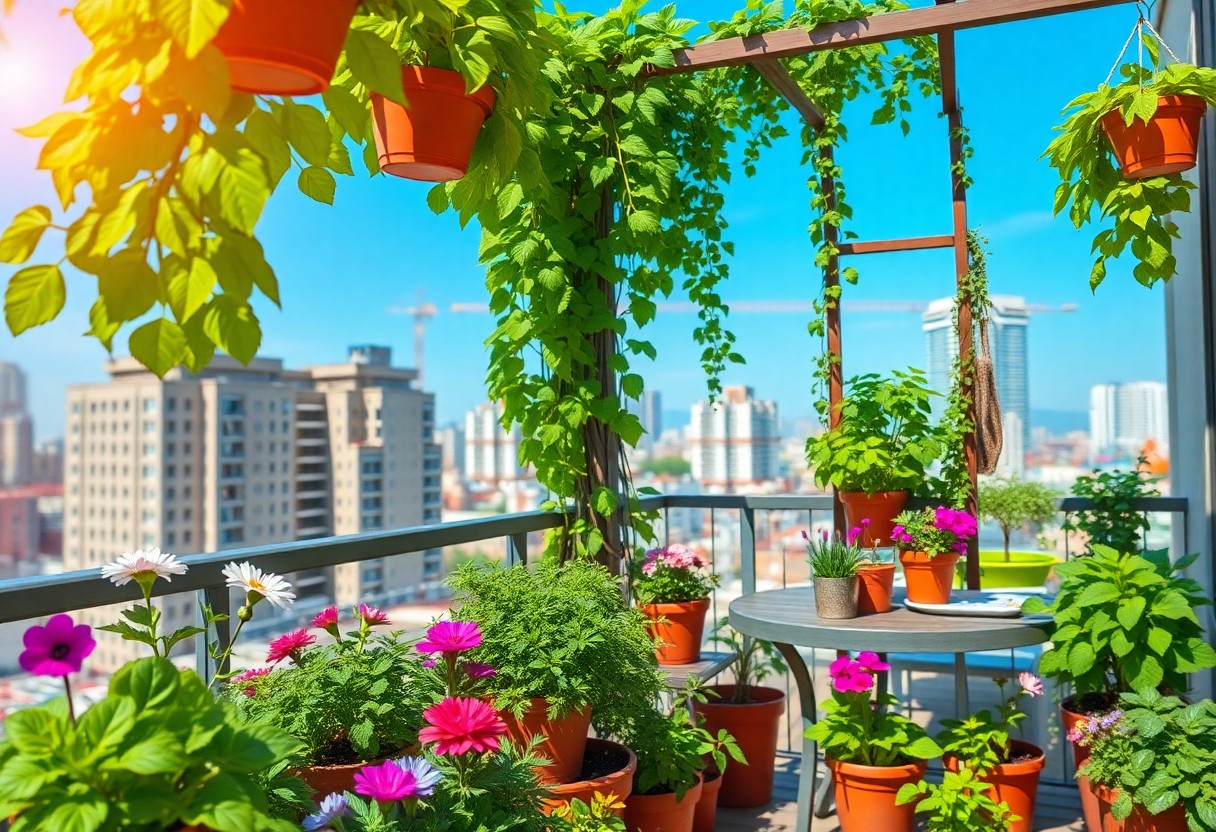
For a thriving balcony garden, selecting plants suited to your space and climate is vital. Consider factors such as sun exposure, wind conditions, and the maturity size of plants. Ideal options often include herbs, compact vegetables, and ornamental flowers. Explore beautiful Container Gardening: Pots Galore!: A Balcony Garden resources for inspiration.
Ideal Plants for Small Spaces
Opt for plants that thrive in limited space—herbs like basil and mint, dwarf varieties of tomatoes, or compact flowering plants such as petunias. Vertical gardening techniques, like using wall-mounted planters or hanging pots, can maximise your area while adding visual interest.
Seasonal Planting Tips
Timing is key when planting. In spring, choose quick-growing seeds, while summer is perfect for heat-loving plants. Autumn allows for hardier varieties, and winter can accommodate specific indoor plants. By understanding seasonal changes, you can ensure continuous blooms and harvests.
- Consider planting annuals in spring, biennials in autumn, and hardy perennials for year-round greenery.
- Utilise planting calendars specific to your region for precise timing.
- Rotate plants each season to keep your garden dynamic and thriving. Any lack of diversity can lead to pest problems.
For optimal growth, pay attention to the specific needs of each plant. Ensure adequate watering per season; for instance, summer plants may need more frequent watering than those in cooler months. Incorporating mulching can help regulate soil temperature and moisture retention. Each season can bring new opportunities for creativity and joy in your balcony garden.
- Incorporate crop rotation for healthier soil and better yields in upcoming seasons.
- Research seasonal plants that thrive based on your local climate conditions.
- Utilise barriers to protect delicate plants from harsh weather. Any damage can disrupt growth and yield.
Soil and Fertilization Techniques
Your balcony garden thrives on the right soil and proper fertilisation techniques. A well-balanced soil mix provides imperative nutrients and good drainage, ensuring your plants remain robust and healthy. Pay attention to moisture retention and aeration, both vital for thriving plants in limited spaces. Amend your soil with organic matter to enhance its structure and nutrient content. Knowledge of pH levels can also help you tailor your soil to specific plant needs, resulting in a flourishing balcony oasis.
Selecting the Right Soil Mix
<p Opt for a high-quality potting mix specifically designed for container gardening. These blends usually combine peat, compost, and perlite, providing excellent drainage and nutrient retention. Look for mixes fortified with slow-release fertilisers to minimise the need for frequent feeding. Sourcing local soil or blends tailored to the climate can enhance compatibility with native flora and fauna, ensuring your plants have a solid foundation for growth.
Organic Fertilisation Tips
<p Incorporating organic fertilisers, such as compost or well-rotted manure, can significantly boost your plants' health. These alternatives enrich the soil with vital nutrients and improve soil structure. You can also explore seaweed fertiliser for its trace elements, or plant-specific feeds like fish emulsion, offering a well-rounded nutrient profile. Regularly apply these organic options to support your plants' growth during the entire growing season.
- Rotate between different types of organic fertilisers for a varied nutrient intake.
- Monitor your plants’ responses to adjustments in fertilisation schedules.
- Thou shalt ensure proper application rates to avoid over-fertilisation.
<p To maximise the benefits of organic fertilisation, consider creating a compost bin for kitchen scraps and garden waste. This will yield nutrient-rich compost, improving soil fertility over time. You can also blend compost with worm castings for an even more potent organic amendment. Keep in mind the importance of applying these organic boosters throughout the growing season.
- Take note of specific plant needs to tailor your compost additions.
- Conduct regular soil tests to determine nutrient levels.
- Thou shalt vary your compost materials to enrich soil nutrition.
Watering and Maintenance Tips
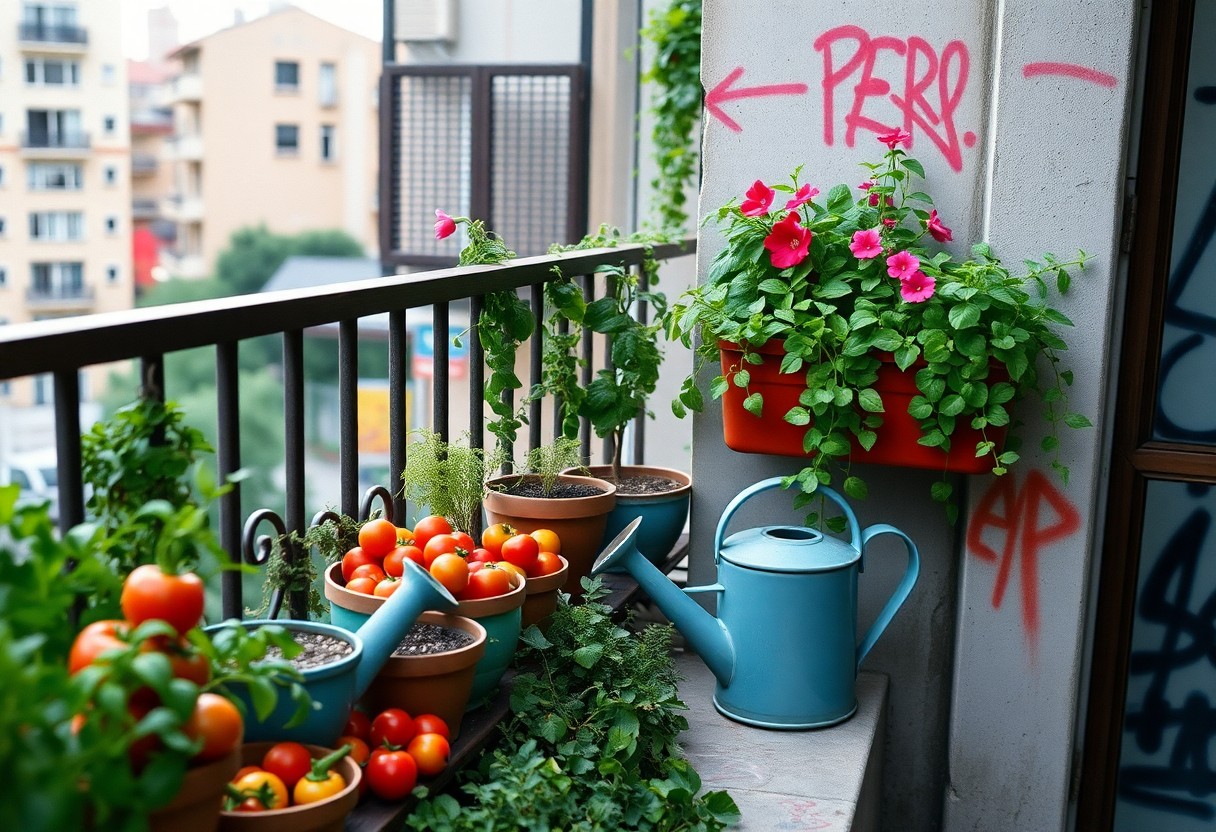
Regular watering and attentive maintenance are the backbone of a successful balcony garden. Establish a routine for watering, ensuring that your plants receive adequate moisture without becoming waterlogged. Monitor plant health closely and adjust your practices according to weather conditions.
- Water early in the morning or late in the afternoon.
- Use a moisture meter to check soil dampness.
- Ensure pots have drainage holes to avoid soggy roots.
- Remove dead leaves and spent flowers regularly.
- Fertilise plants during their growing season for optimal growth.
Knowing how to read your plants’ needs will significantly enhance their vitality and productivity.
Effective Watering Practices
Water your balcony garden deeply but infrequently to promote strong root development. Aim for around 15-20 minutes of watering per session, ensuring the water penetrates the root zone. Adjust frequency based on the plants and the climate; during hotter months, you may need to water more often. Consider using self-watering pots to help maintain moisture levels without daily intervention.
Pest Control and Disease Management
Maintaining a pest-free balcony garden requires regular monitoring and intervention when necessary. Inspect your plants weekly for signs of pests, such as aphids or spider mites, and act swiftly if you notice any infestations. Organic solutions, like neem oil or insecticidal soap, can be effective against common pests without harming beneficial insects.
Pest control is vital for maintaining a thriving balcony garden. Integrating companion planting can naturally deter pests while promoting healthy growth; for instance, planting marigolds alongside vegetables can keep aphids at bay. Additionally, ensure proper air circulation around your plants, as overcrowding can lead to diseases. Implementing a weekly routine to inspect for signs of mould or mildew will allow you to address issues before they escalate. Regularly cleaning your pots and tools also minimizes the chance of disease transfer, contributing to a healthier gardening environment.
Designing Your Balcony Garden
Creating a successful balcony garden requires thoughtful design. Consider the layout and how each element interacts with one another. Start by assessing the sunlight patterns and wind exposure to determine which plants will thrive in your space. Incorporate height variations and layer your planting for visual interest. Using pots, planters, and vertical gardening options will enhance the space while allowing for easy maintenance.
Maximal Use of Space
To maximise your limited balcony space, vertical gardening is imperative. Employ wall-mounted planters, hanging pots, or tiered shelving to elevate your greenery. Incorporating multi-functional furniture, such as a bench with built-in planters, can also free up floor space and promote a greener aesthetic. Use railings creatively with containers or trellises to transform often-overlooked areas into lush features.
Aesthetic and Functional Arrangements
Combining aesthetics with functionality makes your balcony garden both beautiful and practical. Select plants that not only thrive in your environment but also complement each other in colour and texture. For instance, leafy herbs paired with vibrant flowers can produce a lively atmosphere. Additionally, group plants by their watering needs, allowing for efficient care while maintaining an attractive display.
Your balcony garden should serve both form and function. Place taller plants at the back and shorter varieties at the front to showcase each one effectively. Consider seasonal flowers for bursts of colour and mix in aromatic herbs like basil or mint for added sensory delight. Grouping plants with similar watering requirements not only conserves water but enhances growth. Incorporating decorative elements, like fairy lights or stylish pots, can also elevate the visual appeal, making your garden a delightful retreat.
Final Words
The key to creating a thriving balcony garden in the city lies in maximising your space and selecting the right plants for your environment. By choosing containers that suit your style and ensuring proper drainage, you can create a flourishing green oasis. Incorporate a mix of flowers, herbs, and vegetables to enhance biodiversity and attract pollinators. Regular maintenance, including watering and pruning, will keep your garden vibrant. Ultimately, with a little planning and dedication, your balcony can transform into a productive and soothing retreat amidst the urban landscape.
You may also like