How to Start a Community Garden in Your Urban Neighborhood
Most urban spaces can benefit from the green oasis of a community garden, and you have the opportunity to transform your neighbourhood into a thriving hub of activity and collaboration. This guide will provide you with necessary steps to engage your community, secure suitable land, and cultivate not just plants, but relationships among neighbours. With a bit of planning and teamwork, you can create a beautiful, productive garden that enhances your environment and fosters community spirit.
Key Takeaways:
- Gather support from local residents by organising meetings to discuss interest and ideas.
- Identify a suitable location that has access to sunlight, water, and approval from relevant authorities.
- Establish a governance structure to manage the garden, including guidelines for planting and shared responsibilities.
Understanding the Benefits of Community Gardens
Engaging in a community garden offers numerous advantages that extend beyond mere aesthetics. These gardens foster sustainability, enhance local biodiversity, and strengthen neighbourly bonds. By cultivating a shared space, you not only beautify your environment but also create an inclusive community, making urban living more fulfilling for everyone involved.
Environmental Benefits
Community gardens play a pivotal role in promoting biodiversity and improving urban ecosystems. They provide habitats for various insects, birds, and other wildlife, which are diminishing in urban settings. Furthermore, by utilising sustainable gardening practices, you can enhance soil health and air quality, contributing to a greener, healthier urban landscape.
Social Benefits
These gardens serve as vibrant community hubs, where people from diverse backgrounds come together to cultivate plants and relationships. Working side by side fosters camaraderie, reduces social isolation, and instils a sense of ownership within the community. The shared responsibility of tending to the garden cultivates teamwork and encourages the exchange of knowledge and skills.
By participating in community gardening, you contribute to a shared purpose that extends beyond growing food. Events such as gardening workshops, harvest festivals, and potlucks can enhance social ties, promote cultural exchange, and facilitate networking among residents. This interaction not only strengthens community cohesion but can also lead to collaborative efforts towards other neighbourhood improvement initiatives, transforming urban spaces into thriving, interconnected environments.
Factors to Consider Before Starting
Before you launch your community garden, several factors must be considered to ensure its success. Assess the needs and interests of your community, as well as potential challenges such as space availability, local regulations, and environmental conditions. It’s beneficial to involve residents early on, fostering a sense of ownership and commitment. Here are some key aspects to think about:
- Available land and access
- Soil quality and sunlight
- Water sources
- Permits and regulations
- Community support and involvement
Perceiving these elements will help you create a sustainable and engaging garden.
Location and Space
The ideal location for your community garden should be easily accessible and spacious enough to accommodate your plans. Look for vacant lots, parks, or even underutilised public land where you can secure permission to set up. Ensure the area receives adequate sunlight and is not prone to flooding or erosion. In urban settings, rooftops can also serve as innovative garden spaces.
Community Involvement
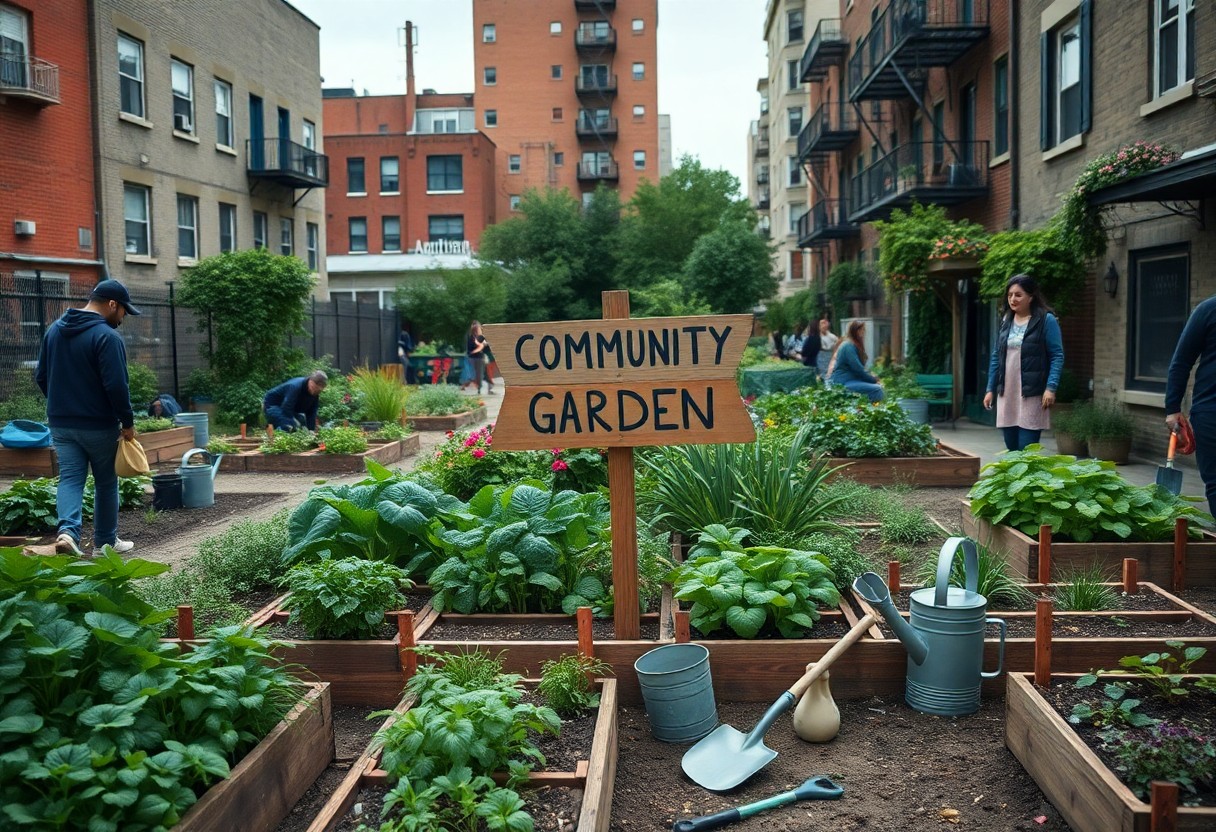
Engaging your community is vital to the success of your garden. Start by holding meetings to gather input and encourage participation from local residents. This could include collecting ideas on plant selection, garden design, and management roles. By fostering a collaborative atmosphere, you not only increase investment in the project but also build a stronger sense of community.
Organising workshops, social events, and volunteer days can keep enthusiasm high, while regular updates through social media or community boards can maintain interest. Showcasing individual contributions will empower participants and deepen their connection to the space. Ultimately, a thriving community garden is built on a foundation of collective effort and shared pride.
Essential Tips for Planning Your Garden
- Assess your available space and sunlight exposure.
- Consider the needs and preferences of your community members.
- Start with a clear idea of what you want to achieve.
- Plan for sustainability and maintenance.
- Establish a timeline for development.
Perceiving the elements involved in planning your garden is crucial for creating a thriving community space.
Choosing the Right Plants
Selecting plants suited to your local climate, soil type, and available sunlight is vital. Consult local guidelines or gardening books to find native species that flourish in your region. Incorporating a mix of flowers, herbs, and vegetables can encourage biodiversity and fulfil the varied interests of community members, ensuring everyone finds something to enjoy.
Designing the Layout
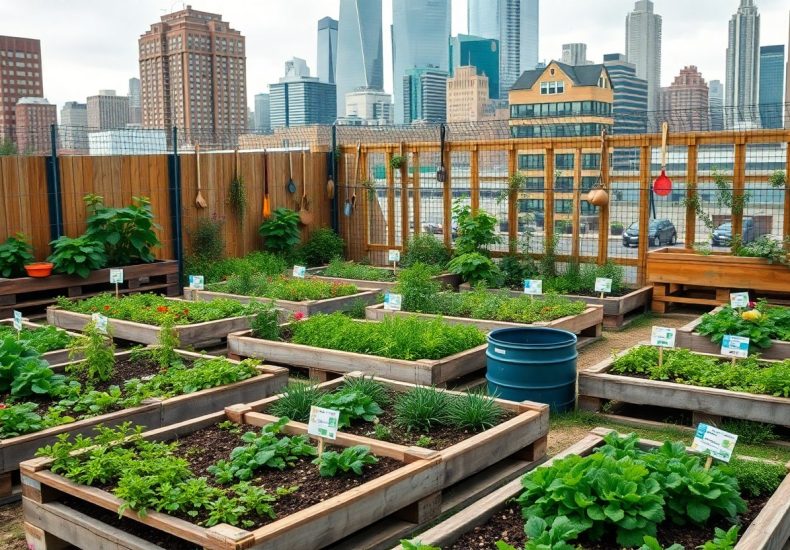
Efficiently designing your garden layout maximises space and accessibility. Begin by dividing the area into sections based on the types of plants you wish to grow, ensuring compatibility between species. Placing taller plants on the northern edge prevents overshadowing shorter ones, while paths should remain wide enough to allow easy access for all participants. You might also consider incorporating raised beds or containers to enhance aesthetics and organisation.
In more detail, your layout should encourage effortless navigation and interaction within the garden. Use pathways to create clear access routes, facilitating maintenance and harvesting. Grouping plants with similar water and sunlight requirements can simplify care and enhance productivity. Think about incorporating seating areas or communal spaces for gathering, allowing members to engage with each other while tending to the garden. Incorporate signage to educate visitors about the plants and purpose of the garden, further enriching the experience.
Funding and Resources
Securing funding and resources is vital to the sustainability of your community garden. You can explore various avenues such as grants, local donations, and partnerships that not only provide financial support but also offer invaluable community ties. Each of these resources can aid in meeting your garden’s needs, from soil and seeds to tools and educational workshops.
Grants and Donations
Many organisations offer grants specifically designed for community gardening initiatives. Local councils, non-profits, and environmental charities frequently provide funding opportunities. You can also seek donations from nearby businesses or utilise crowdfunding platforms to gather contributions from community members invested in the project.
Partnerships with Local Organisations
Collaborating with local organisations can significantly enhance your community garden’s resources. By partnering with schools, non-profits, and garden clubs, you can access expert advice, gardening materials, and volunteer support. These partnerships often result in shared events and workshops, fostering a sense of community while promoting sustainable practices.
Forming strategic partnerships requires outreach to local entities that share your vision. For example, a collaboration with a nearby school could involve students participating in gardening sessions, while a local horticultural society could offer training seminars. Such connections not only provide resources but also nurture community relationships that bolster the long-term viability of your garden. Engaging in these partnerships enhances educational opportunities and increases the potential for securing grants by demonstrating community involvement and collaborative efforts.
Engaging the Community
Engaging your community is a key element in launching your garden. Involve local residents by inviting them to share their ideas, skills, and enthusiasm. The more you foster a sense of belonging, the more likely individuals will participate and contribute to the garden’s success. Use surveys or informal discussions to determine what plants and activities resonate best with your neighbours, creating a truly collaborative environment.
Hosting Meetings and Workshops
Hosting meetings and workshops can facilitate communication and build excitement around your community garden. Schedule regular gatherings to discuss progress, share gardening tips, and organise tasks. Inviting knowledgeable speakers can enhance the experience, while hands-on workshops provide practical skills, allowing participants to learn directly from one another.
Communicating Through Social Media
Effective communication through social media can significantly enhance your community garden’s visibility and engagement. Create dedicated pages or groups on platforms like Facebook or Instagram to share updates, events, and gardening tips. Regular posts featuring garden progress or volunteer opportunities will encourage participation and foster a sense of community ownership.
Utilising social media allows you to reach a broader audience and build connections within your neighbourhood. Consider using visually appealing images of the garden and members at work, as well as engaging stories about your journey. Encourage community members to share their experiences and tag your pages, creating a collective narrative that can inspire others to join. Regularly engaging with followers through comments or polls can also enhance their commitment and interest, ensuring sustained involvement in your community garden initiative.
Maintenance and Sustainability
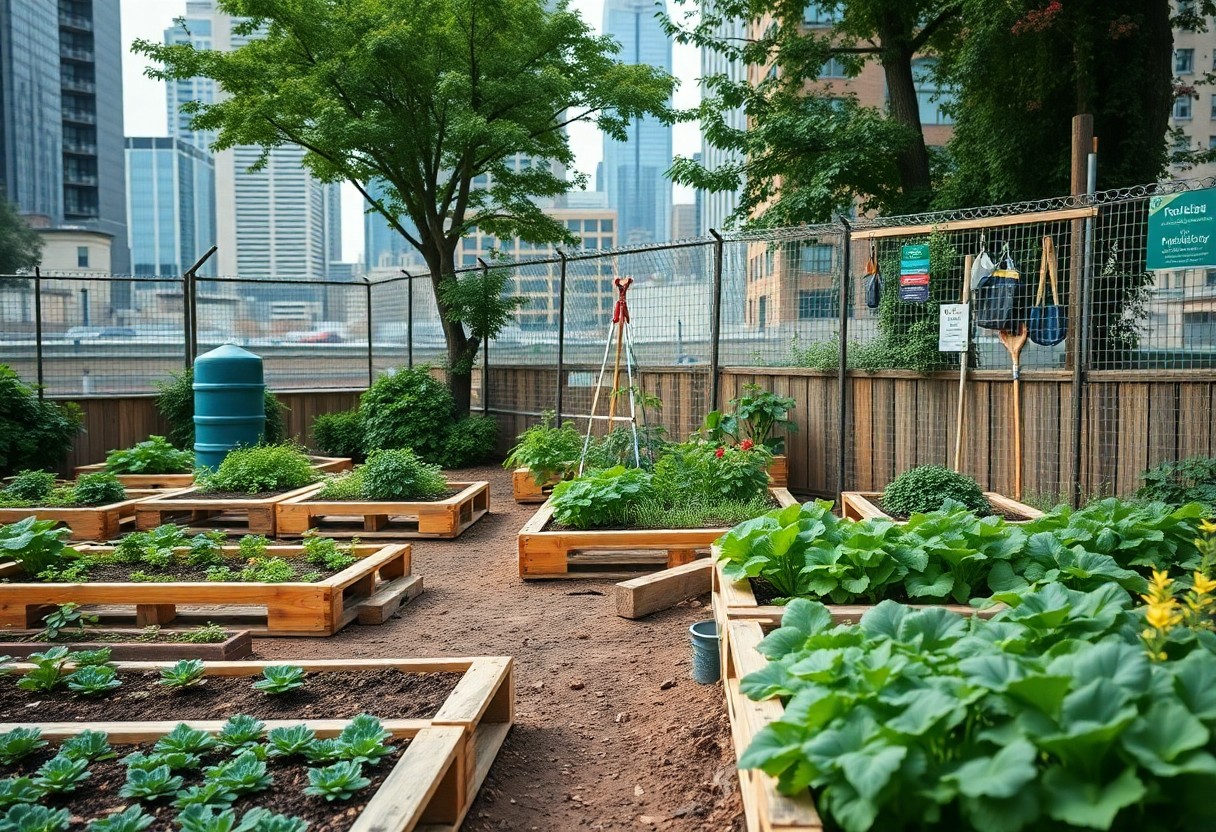
To ensure your community garden thrives, regular maintenance and sustainability practices are crucial. Establish a routine schedule for garden care, involving community members in tasks such as watering, weeding, and harvest coordination. Engaging volunteers not only helps spread the workload but fosters a sense of ownership among participants. For more detailed insights, refer to A Guide to Starting a Community Garden.
Regular Care Practices
Implementing regular care practices is vital for the health of your garden. Set up a weekly rota where volunteers take turns tending to the plots, ensuring a steady supply of water and nutrients. Use organic mulch to retain moisture and suppress weeds. Additionally, consider planting a variety of crops to promote biodiversity, enhancing resilience against pests and disease.
Long-term Sustainability Plans
Developing long-term sustainability plans is key to the garden’s future. Create a strategy that includes soil health management through composting, crop rotation, and planting cover crops in off-seasons. Additionally, engage with local schools and organisations to foster educational programmes that attract ongoing interest and participation.
Incorporating long-term sustainability plans necessitates a proactive approach. Establishing partnerships with local gardening clubs or environmental groups can provide expertise and resources. Setting up a small budget for re-investment into the garden, whether for seeds or tools, will help maintain productivity. Regular workshops on sustainable gardening practices not only educate participants but also cultivate a culture of care and responsibility, ensuring the garden remains a vibrant part of the community for years to come.
Summing up
Taking this into account, starting a community garden in your urban neighbourhood involves careful planning and collaboration. You should identify potential locations, engage local residents, and establish a clear purpose for the garden. Consider the necessary resources, such as tools and seeds, and actively seek support from local organisations or councils. By fostering a sense of community and shared responsibility, you can create a sustainable space that enhances local biodiversity and serves as a hub for social interaction and education. Ultimately, your efforts can transform a simple plot of land into a thriving communal asset.
You may also like