Harvesting and Storing Your Garden’s Produce
With the right techniques, harvesting and storing your garden’s produce can greatly enhance the flavour and longevity of your fruits and vegetables. By understanding when to pick your crops and how to store them effectively, you can maximise your harvest and enjoy the fruits of your labour for months to come. This guide will provide you with important tips and best practices to ensure that your produce remains fresh and nutritious.
Key Takeaways:
- Harvest produce in the early morning or late afternoon for optimal freshness.
- Store fruits and vegetables in cool, dark, and well-ventilated spaces to prolong shelf life.
- Use proper containers to avoid bruising and spoilage during storage.

Preparing for Harvest
Preparation plays a pivotal role in ensuring a successful harvest. You need to familiarise yourself with the maturation timelines of your crops and observe their growth closely in the weeks leading up to harvesting. Planning is vital, so create a simple schedule that aligns with your garden’s peak production times and prepares you for efficient gathering and post-harvest storage. Proper preparation not only maximises yield but also simplifies the harvesting process.
Understanding Ripeness Indicators
Each type of produce has its own distinct ripeness indicators, which can include changes in colour, size, and texture. For example, many fruits like tomatoes should show a bright hue, while leafy greens are ideally harvested when they are tender and vibrant. Learning these signs helps you ascertain the perfect moment for picking, ensuring optimal flavour and quality.
Tools You’ll Need
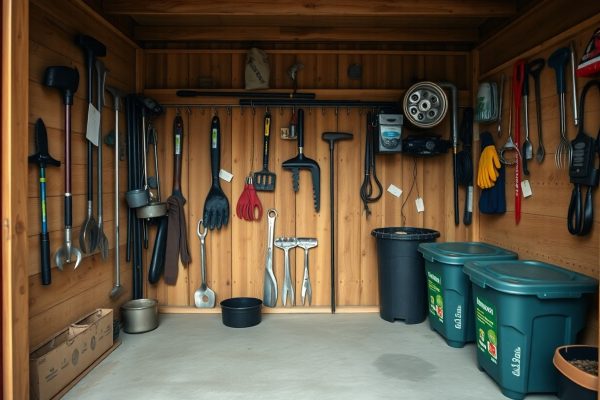
Having the right tools at your disposal simplifies the harvesting process significantly. Essential tools generally include sharp shears or secateurs, a harvest basket or container, and a sturdy pair of gloves. An apron with pockets or a harvesting belt can aid in carrying smaller items like herbs or delicate fruits, making your tasks more manageable.
Sharp shears are vital for cutting stems cleanly, preventing damage to the plants while minimising bruising to produce. A harvest basket allows for easy transport of multiple items from your garden to your kitchen, while gloves protect your hands from thorns or rough textures. The addition of a harvesting apron or belt can help you keep smaller items within reach, enhancing efficiency as you gather your bounty. Investing in quality tools not only enriches your harvesting experience but also contributes to maintaining the health of your garden for future seasons.

Techniques for Harvesting
Effective harvesting techniques can significantly impact the quality and longevity of your produce. For soft fruits like berries, gently pinch the stems to avoid bruising, while for root vegetables, such as carrots and potatoes, use a fork to lift them from the soil without damage. For leafy greens, ensure you cut above the soil line to promote regrowth. Utilising the right tools and timing will ensure that your harvest is efficient and preserves the integrity of your crops.
Best Practices for Different Crops
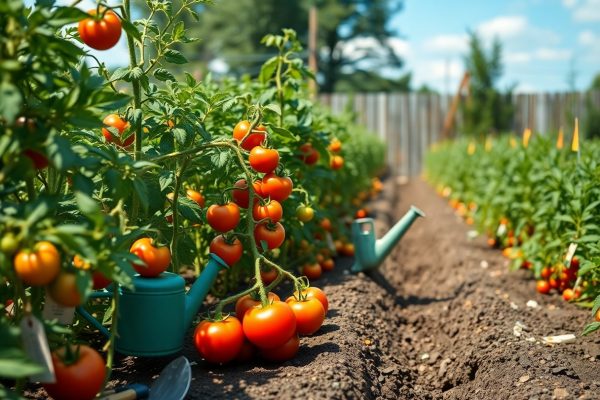
Each crop has its own harvesting requirements to maximise quality and yield. For example, tomatoes should be harvested when fully coloured but still firm, whereas courgettes are best picked young for optimal tenderness. When dealing with herbs, snip off leaves regularly to encourage bushiness while ensuring your plants remain healthy. Tailoring your approach to each type of crop will improve both the taste and the overall harvest experience.
Timing Your Harvest
Timing is crucial for successful harvesting, as it determines flavour, texture, and nutritional value. For instance, vegetables like peas are sweetest when harvested at their peak ripeness, generally in the morning after dew has evaporated. Some crops, like sweet corn, should be checked daily as they can go from perfect to overripe within a short window. Observing the subtle changes in colour and firmness will guide you in selecting the ideal moment to reap your rewards.
To further refine your timing, keep a close eye on growth cycles and check the seed packets for recommended harvest windows. For many crops, a simple tug or taste test can indicate readiness. For example, green beans should snap easily, while pumpkins should have a hard rind with a uniform colour. Regular monitoring leads to more successful harvests, enhancing the flavour and quality of your homegrown produce.
Cleaning and Processing Produce
Once you’ve harvested your produce, the next step is to clean and process it effectively. This ensures that your fruits and vegetables are free from dirt, pests, and potential toxins, making them safe and enjoyable to consume.
Washing and Sorting
Begin by rinsing your produce under cool running water to remove any soil or debris. Use a soft brush for firmer vegetables, and sort them simultaneously to separate damaged or spoiled items from those that are fresh. This initial cleaning not only preserves quality but also prepares them for storage.
Preparing for Storage
To optimise your storage life, you must store your produce correctly. Remove excess moisture after washing, as this can lead to spoilage. Depending on the type of produce, you may need to trim or prepare items in a specific way before placing them in your storage containers. For example, leafy greens should be dried and placed in breathable bags, while root vegetables may best be stored in cool, dark places.
Ensure your containers are appropriate for the type of produce. Glass jars or plastic containers with ventilation holes work wonders for items like herbs, allowing for airflow that prevents rot. For longer storage, consider blanching certain vegetables briefly before freezing – this process helps retain colour, flavour, and nutrients while slowing down enzyme activity that leads to deterioration. Always label containers with the contents and date to keep track of freshness.
Methods of Storing Produce
Storing your garden’s produce correctly preserves flavour and nutrients, extending its shelf life. Techniques vary from simple refrigeration to more complex processes like canning and freezing. For more details on what’s the best way to harvest and store produce from my garden, consider the specific needs of each vegetable or fruit you’ve grown.
Refrigeration Tips
Refrigeration is imperative for many types of produce to maintain freshness. Store leafy greens in a damp cloth, and keep root vegetables in a cool, dark space. Ensure your fridge is set at the right temperature, around 1-4°C, to minimise spoilage. Regularly check your produce for signs of decay and remove affected items promptly.
- Use containers with ventilation.
- Avoid washing produce before storing, as moisture can promote mould.
- Keep fruits and vegetables separate, as some fruits emit ethylene gas, which can accelerate ripening.
Thou should also consider using humidity controls to adjust conditions for different types.
Long-Term Storage Techniques
For longer-term storage, techniques such as freezing, canning, and drying are highly effective. Freezing preserves the texture and taste of produce like peas and berries, while canning allows you to enjoy your harvest all year round. Drying is ideal for herbs or tomatoes, concentrating their flavours and making them suitable for diverse recipes.
Utilising vacuum sealers can enhance the preservation process, particularly for frozen items, by reducing exposure to air. Furthermore, when canning, ensure you follow safe practices to prevent spoilage and maintain the quality of your produce. Engaging in these techniques not only maximises your garden’s yield but also adds versatility to your meals year-round.
Preserving Your Harvest
Once you’ve cleaned and processed your produce, preserving it is necessary to enjoy your garden’s bounty throughout the year. Various methods allow you to retain the flavour, nutrition, and quality of your harvest, with each technique offering distinct advantages suitable for different types of fruits, vegetables, and herbs.
Canning and Freezing
Canning and freezing are popular methods for preserving your harvest, allowing you to enjoy seasonal produce all year round. Canning involves sealing your fruits and vegetables in airtight jars, which can be stored for long periods. Conversely, freezing locks in freshness and flavour, making this an excellent option for bulk storage of items such as berries, peas, and leafy greens.
Dehydrating and Fermenting
Dehydrating and fermenting are excellent ways to enhance the longevity of your harvest. Dehydrating removes the moisture from fruits and vegetables, concentrating their flavours while significantly extending their shelf life. Fermenting, on the other hand, transforms your produce through beneficial bacteria, creating unique flavours and improving digestibility. Common fermented options include pickles, sauerkraut, and kimchi.
Dehydrating your harvest is not only straightforward but also preserves the nutrients while intensifying flavours. You can use a food dehydrator or an oven set at a low temperature to dry slices of apples, tomatoes, or herbs. Aim for a moisture content below 10% for longevity. Fermenting introduces beneficial probiotics, enhancing both taste and health benefits. Begin with simple recipes for krauts or pickles, allowing the natural sugars to convert into lactic acid, thus providing both preservation and a distinctive tartness. Combining these methods offers both versatility and satisfaction in enjoying your homegrown produce long after the growing season ends.
Managing Your Garden Post-Harvest
After harvesting, it’s imperative to maintain your garden’s health to ensure robust yields in the following season. Implementing practices such as analysing soil quality and managing pests can significantly impact your garden’s productivity. Additionally, consider the benefits of cover crops or composting to enrich the soil and bolster nutrient levels, preparing it for the next planting cycle.
Crop Rotation and Soil Health
Practising crop rotation not only prevents soil nutrient depletion but also disrupts pest and disease cycles, promoting overall soil health. By alternating the types of crops you grow each year, you enhance biodiversity and reduce reliance on chemical fertilisers. For example, following nitrogen-fixing legumes like peas with heavy feeders such as tomatoes can significantly improve soil fertility over time.
Preparing for Next Season
As the garden season winds down, planning for the next one involves clearing debris and assessing the results of your crops. This ensures that your space is ready for planting when the time comes. It’s the perfect opportunity to enrich the soil with organic matter and study what worked well and what could be improved for future plantings.
Preparing for the next season involves strategising your planting approach based on your previous harvest’s performance. You should examine crop yields and note which varieties thrived or struggled. Engage in soil tests to determine nutrient deficiencies and amend accordingly. Additionally, planning your crop schedule in advance can help you achieve optimal growth conditions, whether you’re aiming for an early spring planting or extending your growing season with late varieties. Implementing these actionable plans will set your garden up for success, increasing both yield and variety in your harvest.
Final Words
With this in mind, effective harvesting and storing techniques ensure that you enjoy the full benefits of your garden’s produce. By harvesting at the right time and employing suitable storage methods, you can extend the shelf life of your fruits and vegetables. Consider factors such as temperature, humidity, and light exposure to maintain freshness. Regularly check your stored produce for signs of spoilage, allowing you to enjoy the fruits of your labour throughout the seasons.
FAQ
Q: What is the best time to harvest my vegetables?
A: The ideal time to harvest vegetables varies by type but generally, it is best to pick them in the morning when temperatures are cooler. This helps to retain moisture and flavour. Checking for specific maturity indicators on each vegetable type is imperative.
Q: How should I store harvested produce for longevity?
A: Storing harvested produce properly extends its shelf life. Most vegetables should be stored in a cool, dark place, ideally in a fridge or a cool cellar. Leafy greens thrive in moisture, so wrapping them in a damp cloth can keep them fresh.
Q: Can I store all types of produce together?
A: It is not advisable to store all types of produce together. Some fruits, like apples and bananas, release ethylene gas, which can cause vegetables and other fruits to spoil more quickly. Keep ethylene-producing fruits separate from sensitive vegetables.
Q: What are the signs that my produce is overripe or spoiling?
A: Signs of overripeness or spoilage include wilting, soft spots, or an off smell. If you notice any of these signs, it’s best to use the produce immediately or discard it to avoid affecting other stored items.
Q: How can I preserve my produce if I have a large harvest?
A: For large harvests, consider preserving methods such as canning, freezing, or dehydrating. Canning involves sealing produce in jars with heat, freezing locks in freshness, and dehydrating removes moisture to prevent spoilage, allowing for year-round use.
You may also like