Wildlife Habitat Features You Can Add Today
Habitat enhancement can significantly benefit local wildlife and your environment. By integrating various features into your garden or outdoor space, you create inviting habitats for diverse species. You can establish native plant areas, install bird boxes, or even produce small water sources to support local fauna. For detailed guidance, consult the Wildlife Habitat Features Field Guide for effective strategies to enhance your wildlife-friendly space.

Key Takeaways:
- Add native plants to attract local wildlife.
- Create water features to support birds and other animals.
- Install nesting boxes and shelters for various species.
Understanding Wildlife Habitats
Wildlife habitats are the natural environments where various species live, thrive, and interact within ecosystems. These habitats provide important resources such as food, water, shelter, and breeding grounds, supporting biodiversity and ecological balance. As you learn about wildlife habitats, you’ll appreciate how your efforts to enhance these areas can significantly impact local wildlife and contribute to conservation efforts.
Importance of Habitat Features
Habitat features are vital for the survival of wildlife, as they determine the availability of resources and influence species behaviour. Incorporating elements like native vegetation, water sources, and shelter can create a conducive environment for wildlife to flourish, encouraging a healthy ecosystem in your area.
Types of Wildlife Habitats
Wildlife habitats vary widely, encompassing diverse ecosystems such as forests, wetlands, grasslands, and urban areas. Each type offers unique characteristics and supports different species. For instance, wetlands provide critical nesting grounds for birds, while forests offer shelter and food sources for mammals and insects. You can enhance your outdoor space by understanding the specific habitat types that can support local wildlife.
| Habitat Type | Description |
| Forests | Densely wooded areas supporting diverse flora and fauna. |
| Wetlands | Areas saturated with water, crucial for breeding species. |
| Grasslands | Open areas filled with grasses, hosting various herbivores. |
| Urban Areas | Human-dominated spaces that can still support wildlife. |
| Coastal Regions | Meeting points of land and sea, rich in biodiversity. |
Exploring types of wildlife habitats reveals the myriad environments that support different species. For example, forests are home to birds, mammals, and a rich assortment of plants. Grasslands serve as grazing grounds for herbivores and their predators, while wetlands are critical for migratory birds. Coastal regions boast unique ecosystems where marine and terrestrial species interact. Urban areas, despite their development, can be designed to encourage wildlife, exemplifying how diverse habitats can coexist with human activities.
- Enhance local biodiversity by preserving existing habitats.
- Plant native vegetation to provide shelter and food.
- Create water features for birds and small mammals.
- Implement wildlife corridors for safe passage.
- Thou should consider the impact of your enhancements on the entire ecosystem.
| Feature | Benefit |
| Native Plants | Support local wildlife and promote ecosystem health. |
| Water Sources | Essential for drinking and breeding for many species. |
| Shelter | Provides safety for nesting and resting. |
| Food Sources | Attracts various animals and maintains species diversity. |
| Wildlife Corridors | Facilitates animal movement and genetic diversity. |
Native Plant Selection
Incorporating native plants into your garden is an effective way to enhance wildlife habitats. These species are adapted to your local climate, soil, and wildlife, making them more resilient and easier to maintain. By choosing plants that naturally occur in your area, you create a welcoming environment for pollinators, birds, and other beneficial organisms that rely on these native flora for food and shelter.
Benefits of Native Plants
Native plants offer numerous advantages, including lower maintenance requirements, reduced water usage, and enhanced biodiversity. They often require fewer chemical treatments than non-native varieties, supporting a healthier ecosystem. By fostering local wildlife and pollinators, you improve ecological balance while enjoying a vibrant and colourful garden.
Planting Techniques for Wildlife
Employing effective planting techniques can significantly increase the habitats’ appeal for wildlife. Consider grouping native plants in clusters rather than scattering them throughout your garden. This strategy mimics natural ecosystems, encouraging animals to frequent your space. Additionally, layering different heights and densities offers shelter and food sources for a wide range of species, making your garden a thriving sanctuary for diverse wildlife.
When implementing planting techniques for wildlife, focus on creating a layered structure that accommodates various species and their needs. Opt for a combination of ground covers, mid-height shrubs, and taller plants, ensuring there are both dense thickets and open spaces. This variety not only provides vital cover and nesting sites but also caters to the feeding preferences of birds, butterflies, and other creatures. Incorporating features like water sources and rock piles can further enhance the landscape, signalling to wildlife that your garden is a safe haven to explore.
Water Sources
Water sources are vital for attracting and sustaining wildlife in your garden. Including features like ponds, bird baths, or simple water dishes enhances the habitat for various species, from birds to insects. Properly designed water sources not only support wildlife but also contribute to biodiversity. For more information on Enhancing Wildlife Habitat, consider how you can implement these features today.
Creating Natural Water Features
Incorporating natural water features like ponds or streams can boost the appeal of your garden to wildlife. You can dig a small pond and plant native aquatic flora for a healthier ecosystem. Additionally, adding rocks or logs around the edges provides shelter for frogs and beneficial insects. Even a simple water source can become an oasis for creatures seeking hydration and breeding spots.
Maintaining Water Quality
To keep your water sources thriving, maintaining water quality is vital. Regularly check for algae growth and remove debris that may contaminate the water. Consider natural filtration through plants, as they help keep the water clean and provide breeding habitats for aquatic insects.
Maintaining water quality can be achieved through simple practices. Regularly change the water in bird baths to prevent stagnation and provide a fresh drinking source for birds. In ponds, introduce native plants which not only enhance aesthetics but also help filter pollutants. Consider adding a small fountain or aerator; the movement will discourage algae growth and ensure a healthy habitat for wildlife.
Shelter and Nesting Sites
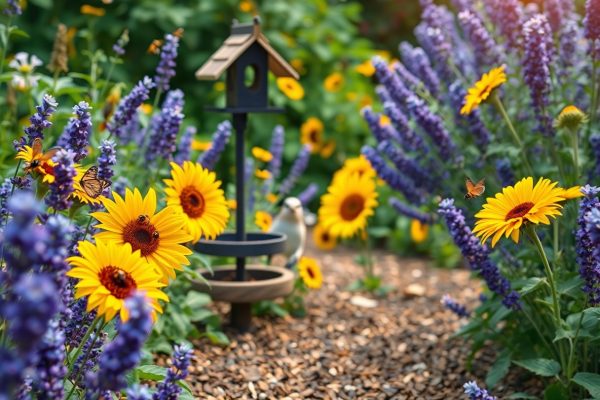
Creating shelter and nesting sites enhances your garden’s biodiversity, providing vital refuge for various species. Whether it’s birds, bats, or insects, every creature requires a safe space to thrive. Simple additions can make a significant difference in attracting wildlife, allowing you to contribute positively to the ecosystem.
Building Birdhouses and Bat Boxes
Constructing birdhouses and bat boxes is a straightforward way to offer safe nesting options. Choose materials like untreated wood for durability, ensuring the designs cater to specific species in your area. Proper ventilation and drainage are vital as well, allowing occupants to thrive in a comfortable environment.
Enhancing Natural Shelter
Enhancing natural shelter involves promoting existing vegetation and creating new habitats. You can achieve this by planting dense shrubs and trees, which provide excellent cover from predators and harsh weather. Additionally, leaving fallen logs and natural debris around encourages small mammals and insects to take up residence, further enriching your garden’s ecosystem.
Incorporating natural shelter into your garden not only fosters wildlife but also contributes to the overall health of your landscape. Dense plantings of native species can create microhabitats, attracting unique fauna to your space. Consider allowing some areas of your garden to grow wild; this chaotic yet natural state often becomes a haven for birds, insects, and small mammals. If you combine such natural features with strategically placed rocks and logs, you’re providing vital cover and nesting sites, ensuring a thriving habitat for diverse wildlife.
Food Sources for Wildlife
Providing diverse food sources is necessary for attracting and supporting wildlife in your garden. Incorporating a variety of plants that produce berries, seeds, and nectar will cater to the needs of different species. For instance, creating a wildflower meadow can encourage pollinators, while planting fruit-bearing trees or shrubs provides nutrition for birds and mammals. Additionally, utilising garden space for herbs and vegetables can be beneficial, as their flowers attract beneficial insects.
Providing Supplemental Feeding
To further assist wildlife, consider supplemental feeding, especially during harsh weather or breeding seasons. You could set up bird feeders filled with seeds or suet, which provide energy and nutrients. Bear in mind, using local, natural food sources is best, as they allow wildlife to retain natural foraging behaviours while ensuring they receive the required nourishment.
Seasonal Food Considerations
Seasonal food considerations are vital in supporting wildlife throughout the year. Different animals have varying dietary needs depending on the season, often requiring specific types of food to thrive. By understanding these needs, you can tailor your garden to deliver necessary nutrients during critical times.
In spring, consider planting flowers that yield nectar, as pollinators emerge hungry. Summer is ideal for fruit-bearing plants, which provide sustenance for various creatures. As autumn arrives, consider leaving seed heads intact for birds, while winter may necessitate providing supplementary feeding stations, ensuring wildlife has access to food during scarce winter months. Adapting your food sources in tandem with seasonal changes will significantly enhance wildlife support in your garden.

Sustainable Practices
Implementing sustainable practices in your garden can significantly enhance its value as a wildlife habitat. By focusing on eco-friendly approaches, you not only support local biodiversity but also contribute to environmental conservation. Small changes, such as using organic fertilisers, minimising pesticide usage, and utilising rainwater harvesting, can make a substantial difference in creating a thriving wildlife ecosystem.
Integrating Eco-friendly Methods
Integrating eco-friendly methods involves incorporating sustainable gardening techniques such as permaculture and companion planting. These strategies promote healthy soil, reduce waste, and encourage beneficial insects, fostering a balanced ecosystem. By avoiding synthetic chemicals and embracing natural solutions, you can successfully support wildlife while maintaining a flourishing garden.
Long-term Habitat Management
Long-term habitat management is imperative for sustaining wildlife populations over time. By continuously assessing and adapting your practices, you ensure that your garden remains a safe and welcoming environment for various species. Regular monitoring of plant health, wildlife activity, and habitat conditions allows you to respond proactively to any changes or challenges that arise.
To effectively manage your habitat long-term, establish a seasonal routine that includes monitoring wildlife populations and conducting habitat assessments. For example, create a checklist to evaluate the health of native flora and fauna. Consider engaging in local conservation initiatives or collaborating with wildlife organisations to enhance your efforts. This ongoing relationship not only provides additional resources but also fosters a sense of community commitment to preserving local ecosystems. Ultimately, your dedication to long-term management ensures that your garden remains a vibrant sanctuary for wildlife for years to come.
Conclusion
Conclusively, enhancing your outdoor space with wildlife habitat features can significantly support local biodiversity. By adding bird feeders, nesting boxes, and native plants, you create a welcoming environment for various species. Incorporating water sources, such as ponds or small dishes, fosters hydration for wildlife. You can also implement simple shelters using natural materials to protect creatures from harsh weather. These features not only benefit wildlife but enrich your own experience with nature, making your garden a vibrant ecosystem.
FAQ
Q: What wildlife habitat features can I create in my garden?
A: You can add features such as birdhouses, bat boxes, native plant gardens, ponds, and log piles. These elements provide shelter, food, and breeding sites for various species.
Q: How do I create a garden that attracts pollinators?
A: To attract pollinators, plant a diverse range of native flowers that bloom at different times. Include plants like lavender, bee balm, and daisies, and avoid using pesticides.
Q: What are the benefits of installing a pond in my garden?
A: A pond can attract amphibians, insects, and birds, providing a habitat for frogs, dragonflies, and various waterfowl. It also enhances biodiversity and offers a tranquil landscape feature.
Q: How can I provide shelter for small mammals?
A: You can create shelter by adding log piles, brush piles, or dedicated hedgehog homes. These structures offer refuge from predators and harsh weather conditions for small mammals.
Q: What types of native plants should I include to support local wildlife?
A: Include local wildflowers, grasses, and shrubs that provide nectar, seeds, and fruits. Examples include blackthorn, honeysuckle, and wild geranium, which support a range of wildlife.
You may also like