Understanding Climate Zones for Planting
It’s important to grasp the concept of climate zones when planning your gardening or planting activities. By understanding these zones, you can choose the right plants that thrive in your specific environment, ensuring a successful and vibrant garden. This guide will provide you with the knowledge to identify your climate zone and select plants that will flourish, thus maximising your gardening efforts.
Key Takeaways:
- Climate zones influence the types of plants that can thrive in a specific area.
- Understanding the temperature, precipitation, and seasonal variations is imperative for successful planting.
- Choosing plants suited to the local climate zone can enhance growth and minimise maintenance needs.
What are Climate Zones?
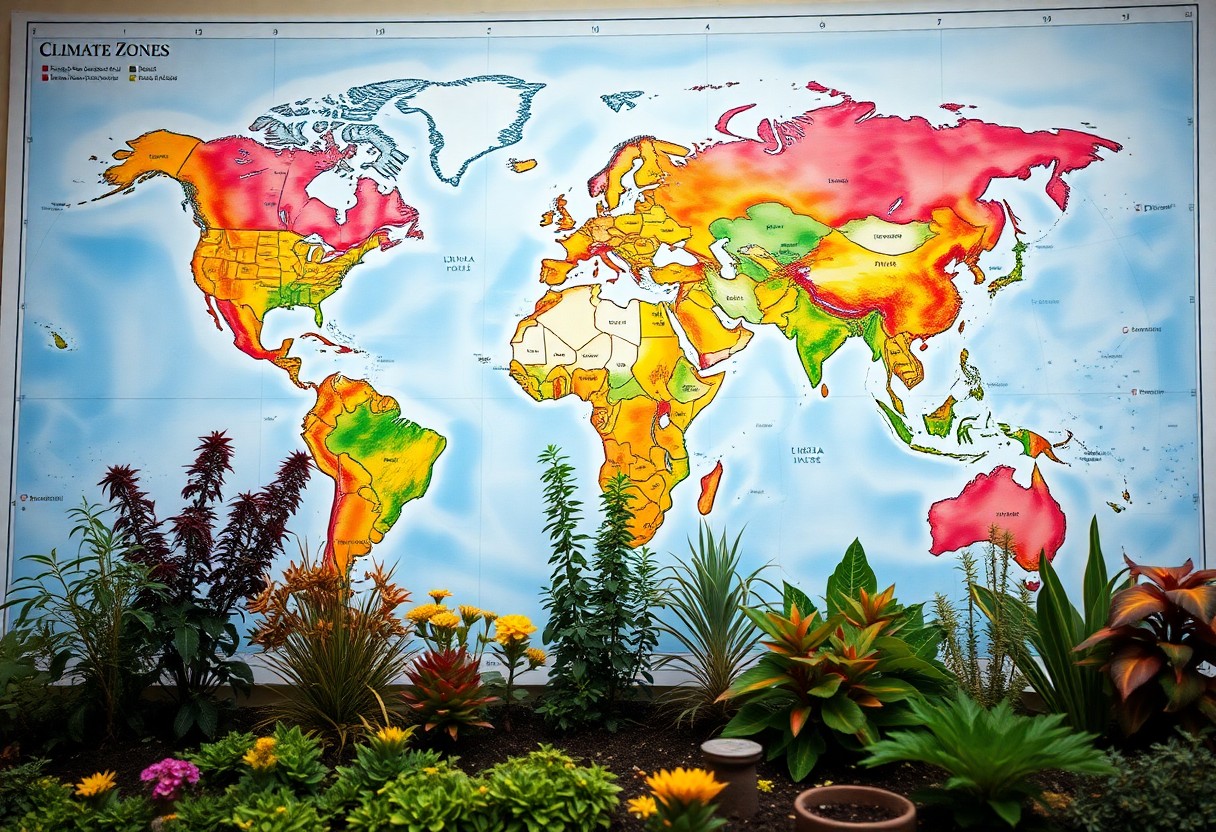
Climate zones define the different regions of the world based on temperature, humidity, and seasonal patterns, which directly impacts the types of vegetation that can grow in those areas. These divisions help you understand which plants are most suitable for your local environment, ensuring successful growth and blooming.
Definition and Importance
Climate zones are classifications that categorise geographical areas based on long-term weather patterns. Knowing these zones is important for you as it guides your planting choices, helping you select plants that can thrive in your local climate, ultimately enhancing your garden’s health and productivity.
Classification of Climate Zones
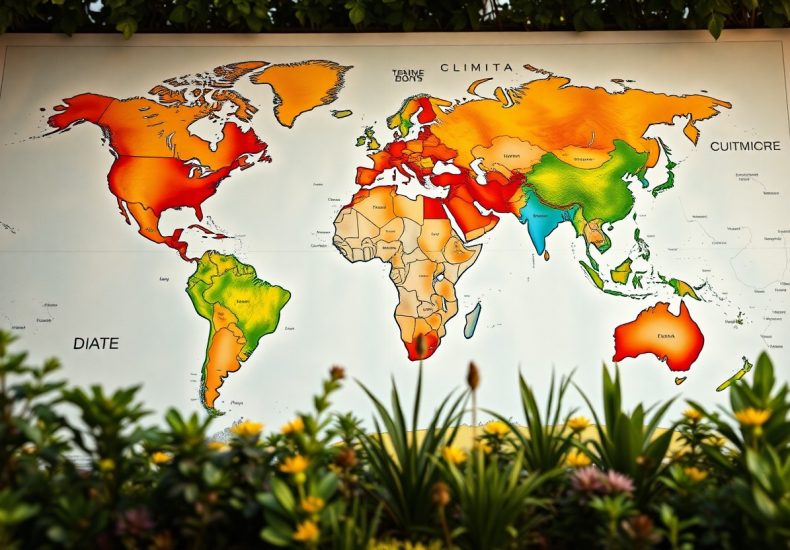
Climate zones are typically classified using systems such as the Köppen climate classification, which divides zones into categories based on temperature and precipitation patterns. This system includes tropical, arid, temperate, cold, and polar zones, each determining the type of flora suited to the respective environment. Understanding these classifications assists you in making informed decisions when selecting plants for your garden.
Within the Köppen climate classification, specific subcategories exist, such as Mediterranean (Csa), humid continental (Dfa), or oceanic (Cfb), each reflecting unique conditions. For instance, Mediterranean zones feature dry, warm summers and mild winters, supporting drought-resistant species, while humid continental zones experience distinct seasons, allowing a diverse range of plants to flourish. Familiarising yourself with these subcategories can significantly improve your gardening success, as you align your plant choices with the specific climate characteristics of your area.
Major Climate Zones and Their Characteristics
Each climate zone exhibits unique characteristics that influence the types of plants suitable for cultivation. You can explore detailed information about plant hardiness specific to these zones using the USDA Plant Hardiness Zone Map, which serves as a helpful guide for determining the best plants for your area.
Tropical Climate
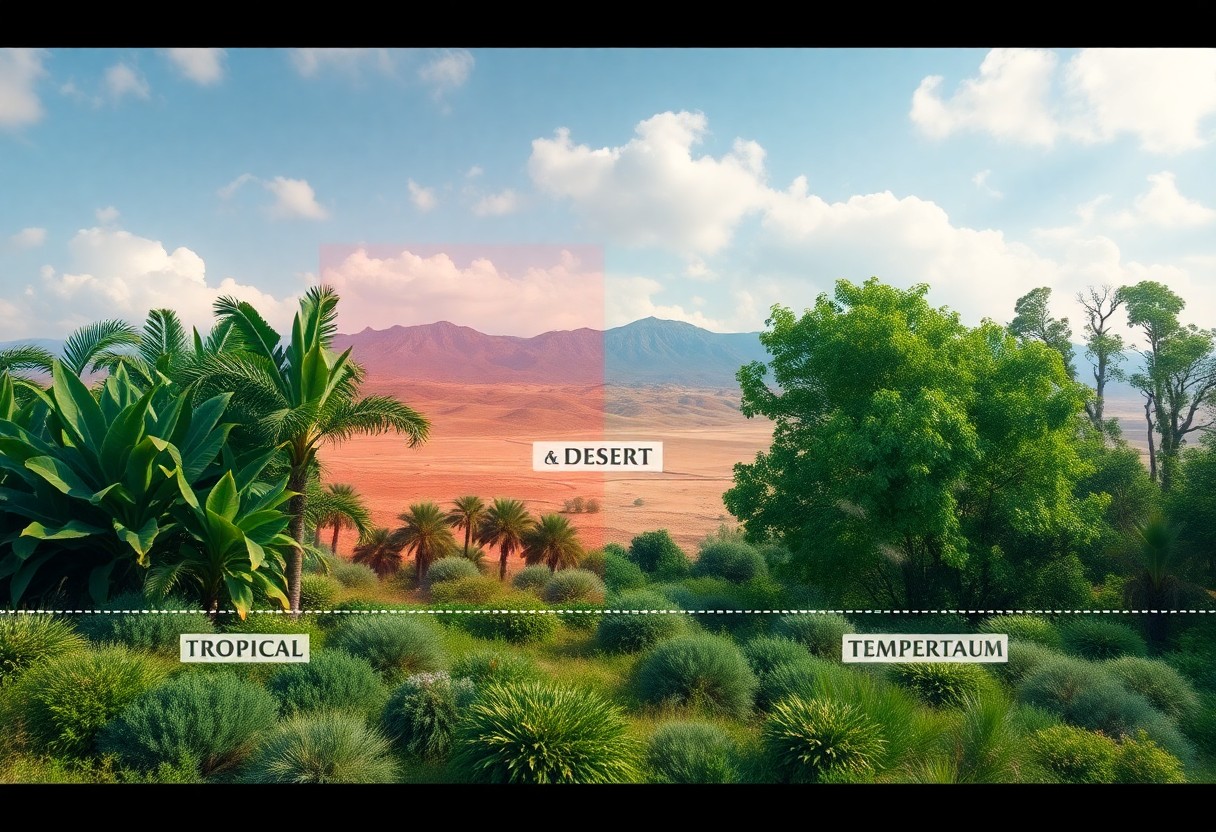
Tropical climates are characterised by warm temperatures year-round, typically exceeding 18°C, and high humidity with significant rainfall. This environment supports a wide diversity of plant life, including exotic species such as orchids, palms, and a variety of fruits. You’ll find lush vegetation thriving in conditions that promote rapid growth and year-round blooming.
Arid and Semi-Arid Climate
In arid and semi-arid climates, you experience low rainfall, often less than 250mm per year, resulting in dry landscapes. Such conditions favour drought-resistant plants like cacti and succulents, which have adapted to conserve water. Your gardening choices should prioritise these resilient species to thrive in limited moisture.
Understanding the specifics of arid and semi-arid climates helps you select the right plants for your garden. These regions frequently feature temperature fluctuations between day and night, and the soil may be sandy or rocky, requiring you to amend the soil for successful plant growth. Incorporating mulch can also aid in moisture retention and temperature regulation in the soil.
Temperate Climate
Temperate climates enjoy moderate temperatures and more evenly distributed rainfall throughout the year, typically ranging from 400mm to 1500mm. This environment allows a diverse range of plants, from deciduous trees to perennial flowers, to flourish. You can grow a vibrant garden with seasonal changes evident in foliage and flowering patterns.
In temperate zones, the distinct seasons provide gardeners with numerous planting opportunities. This climate supports a variety of crops such as vegetables in summer and hardy plants in winter, allowing you to maximise your garden’s potential year-round. Choosing native species can enhance adaptability and resilience in your garden.
Polar Climate
Polar climates are defined by extremely low temperatures, often below -10°C, with long winters and short, cool summers. The harsh conditions limit the types of plants that can survive here, typically only hardy species such as mosses and lichens. Your planting options will be quite restricted in these areas.
In polar regions, soil can be permanently frozen in a layer known as permafrost, which greatly affects the types of vegetation that can grow. This means that any gardening efforts will need to focus on the hardiest plants that can endure these challenging conditions. The increasing impacts of climate change may also alter the dynamics of plant growth in these areas, necessitating constant adaptation to your planting strategies.
Choosing Plants for Different Climate Zones
Selecting the right plants for your specific climate zone is necessary for successful gardening. Each zone presents distinct challenges and opportunities, influencing growth patterns, flowering times, and overall plant health. By understanding your local climate conditions, you can choose plants that thrive naturally, resulting in a more sustainable and low-maintenance garden.
Plant Hardiness
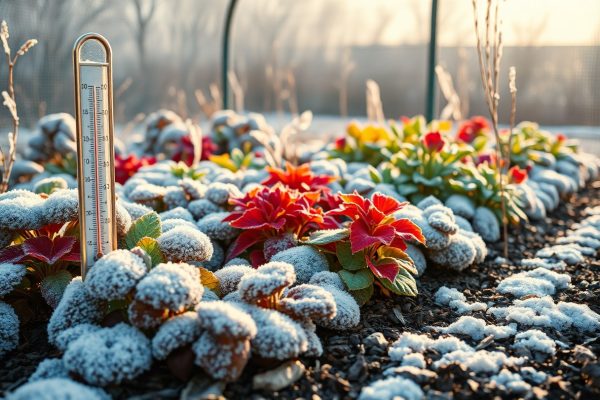
Plant hardiness refers to a species’ ability to survive in specific temperature ranges, determined by local climate conditions. The USDA Plant Hardiness Zone Map is a valuable resource, categorising regions based on average annual minimum temperatures. When dicking out plants, ensure they are aligned with your zone to promote resilience and minimise the risk of frost damage.
Native vs. Non-Native Species
Choosing between native and non-native species can significantly impact plant success in your garden. Native plants, adapted to your local climate and soil, typically require less water and fertiliser, while non-native species may need more care to thrive. Both types can enhance biodiversity, but native species often provide better support for local wildlife.
Native species are integral to local ecosystems, offering habitat and sustenance to various insects, birds, and mammals, which in turn encourages a balanced environment. For example, native wildflowers often attract pollinators, ensuring the health of your garden and surrounding areas. Conversely, some non-native plants can inadvertently disrupt local ecosystems, outcompeting native flora and reducing biodiversity. Therefore, consider incorporating a mix of both plant types, ensuring that natives are a dominant presence to maintain ecological integrity while enjoying the aesthetic benefits of other species.
Microclimates: Effects on Planting
Microclimates significantly influence the success of your planting choices. These small areas can differ from the surrounding environment in temperature, humidity, and wind patterns, often creating optimal conditions for specific plants. Understanding microclimates allows you to maximise your garden’s potential, ensuring that you select the right plants for their exact location and conditions.
Definition of Microclimates
A microclimate is a small, localised area where the climate differs from the general climate of the surrounding region. This variation can arise due to factors such as topography, vegetation, proximity to bodies of water, and man-made structures, which collectively create unique environmental conditions that affect plant growth.
Identifying Microclimates in Your Area
To identify microclimates in your area, observe aspects like sunlight exposure, wind patterns, and temperature variations. Pay attention to features such as sheltered spots near buildings, shaded areas under trees, or heat-retaining walls, as these can all create distinct microclimates conducive to different plant species.
Start by taking notes on your garden throughout the day to chart sun exposure levels and shade patterns. For instance, southern-facing walls tend to absorb heat, creating warmer conditions ideal for tender plants, while shaded areas might suit ferns and other shade-tolerant species. Additionally, utilising tools like thermometers and moisture meters can help quantify the differences you observe, providing valuable data to inform your planting decisions.
Gardening Techniques for Different Climate Zones
Adapting your gardening techniques to specific climate zones is important for maximising plant health and yield. Techniques vary widely, ranging from selecting appropriate plant varieties to employing specific maintenance practices that align with local weather conditions. Understanding the particularities of your climate zone allows you to create a thriving garden ecosystem that can flourish throughout the year.
Soil Preparation
Soil preparation is vital for ensuring optimal plant growth across different climate zones. You should assess the soil type, texture, and nutrient content before planting. For instance, sandy soils in arid regions may require organic matter to retain moisture, while clay soils in wetter climates benefit from aeration techniques to improve drainage. Testing your soil pH can also help determine the best amendments to enhance fertility.
Water Management Strategies
Effective water management strategies vary significantly between climate zones and are important for plant survival. In arid climates, drip irrigation systems conserve water by delivering it directly to the root zone, while rainwater harvesting can be beneficial in regions with sporadic rainfall. In contrast, areas with higher rainfall might require raised beds or proper drainage systems to prevent waterlogging, ensuring that your plants receive the right amount of moisture.
Implementing these water management strategies can significantly impact your garden’s success. For example, in a Mediterranean climate, you might employ mulching techniques to reduce evaporation and maintain soil moisture. Conversely, using swales or contour planting in a humid region can guide excess water away from the roots, preventing diseases caused by saturated soil. Tailoring your approach to your area’s specific challenges and resources is vital for thriving plants.
Adapting to Climate Change in Planting
As climate change progresses, adapting your planting strategies becomes vital to ensure garden resilience and sustainability. Understanding how shifts in temperature and precipitation patterns affect growth will help you select appropriate plants and adjust techniques for optimal success.
Impact of Climate Change on Plant Zones
Climate change is altering traditional plant zones, with shifts moving plants northward and upward in elevation. This transition can affect your gardening choices, leading to potentially unsuitable conditions for crops that once thrived in your area. Increased temperatures may force you to reconsider specific species that attempt to grow in warmer environments.
Sustainable Practices for Resilience
Implementing sustainable practices can fortify your garden against climate change. Techniques such as rainwater harvesting, composting, and crop rotation will enhance soil health while reducing reliance on chemical inputs, fostering a more resilient ecosystem that can withstand environmental shifts.
To effectively utilise sustainable practices, consider integrating permaculture principles, where you design your garden to maximise yield while maintaining ecological balance. For instance, companion planting can deter pests naturally and enhance nutrient availability, while mulching retains soil moisture during dry spells. Engaging in these practices not only supports resilience but crucially contributes to a healthier environment, enabling your garden to thrive amidst the challenges posed by climate change.
Conclusion
To wrap up, understanding climate zones is important for optimising your planting decisions and ensuring the success of your garden. By recognising the specific conditions of your region, you can select plants that thrive in your environment, yielding a healthier and more vibrant garden. For more in-depth information, explore the Climate Zones | UC Master Gardener Program.
FAQ
Q: What are climate zones, and why are they important for planting?
A: Climate zones refer to different areas of the world defined by their climate conditions, such as temperature, precipitation, and seasonal variations. Understanding these zones is important for planting because they determine which plants will thrive in a particular location based on their specific climate requirements.
Q: How are climate zones classified?
A: Climate zones are commonly classified using the Köppen climate classification system, which divides regions based on temperature and precipitation patterns. This system includes categories such as tropical, arid, temperate, continental, and polar climates, helping gardeners and farmers select appropriate plants for their area.
Q: How can I determine my local climate zone?
A: You can determine your local climate zone by consulting climate zone maps, which are available through gardening organisations, extension services, or online resources. These maps provide detailed information about temperature ranges, frost dates, and rainfall patterns specific to your area.
Q: What role do microclimates play in plant selection?
A: Microclimates are small, localised areas with climate conditions that differ from the surrounding region. Factors such as buildings, trees, or bodies of water can create microclimates. Understanding these variations is crucial for selecting plants that may flourish better in areas with different conditions than the broader climate zone would suggest.
Q: Can climate zones change over time?
A: Yes, climate zones can change over time due to factors such as climate change, urban development, and shifts in local ecosystems. Changes in temperature and precipitation patterns can alter which plants are suitable for particular zones, so it is important to stay informed about these trends for successful planting.
You may also like