Indoor-Outdoor Hybrids – Blending Urban Spaces with Nature
Hybrid environments create a seamless connection between your indoor living spaces and the natural world outside. By integrating greenery, natural light, and open layouts, you can enhance your urban experience, promoting well-being and a sense of tranquility. This blog post will explore innovative design strategies and the benefits of blending these two realms, guiding you to transform your surroundings into a harmonious sanctuary that embraces the beauty of nature.
Key Takeaways:
- Indoor-Outdoor hybrids enhance urban living by integrating natural elements, improving residents’ well-being.
- These designs promote biodiversity and environmental sustainability within urban settings.
- Flexibility in space usage encourages social interactions and community engagement.

The Concept of Indoor-Outdoor Hybrids
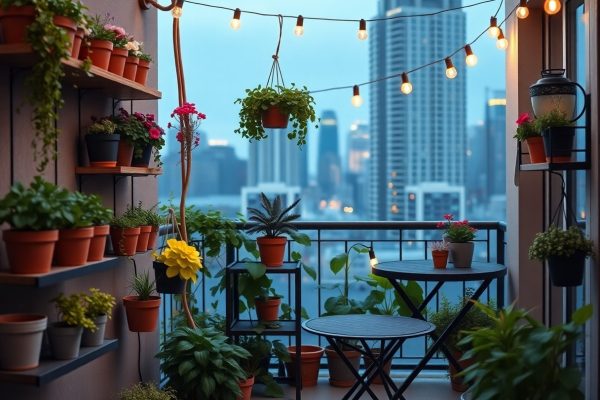
Indoor-outdoor hybrids represent a design philosophy that seamlessly merges interior spaces with the exterior environment, creating a fluid transition between the two. This concept fosters a harmonious relationship with nature, allowing you to experience the benefits of both settings while maximising usable space. It includes elements such as large glass windows, living walls, and open-air living rooms, which not only enhance aesthetic appeal but also promote natural light and airflow within urban settings.
Definition and Importance
Indoor-outdoor hybrids are architectural designs that blend indoor living spaces with the outdoors. This approach is significant as it encourages a lifestyle that embraces nature, improves mental well-being, and enhances the overall living experience. By diminishing boundaries between your home and the surrounding environment, you gain access to natural elements that can positively influence your health and quality of life.
Benefits for Urban Living
The integration of indoor-outdoor hybrids in urban living offers numerous advantages, including improved air quality, enhanced social interactions, and increased property value. By bringing nature into densely populated areas, you create a refuge from urban stressors, which can lead to reduced anxiety and heightened productivity. Biophilic design principles, such as incorporating greenery and natural materials, foster a more vibrant and inviting atmosphere.
In terms of specific benefits, studies have shown that access to nature can lower cortisol levels, improving your overall mood and mental clarity. A report by the University of Exeter revealed that people living in homes with gardens report feeling happier and more satisfied. Furthermore, properties featuring hybrid designs tend to attract higher market values due to the appeal of outdoor living spaces. With your increasing time spent indoors, these integrated environments encourage healthier lifestyles and meaningful connections with nature and neighbours alike, enriching the urban experience.
Design Principles for Hybrid Spaces
Effective design principles for hybrid spaces merge functionality with nature, creating environments that promote well-being and sustainability. You should prioritise flexibility in your layouts to accommodate various activities while ensuring accessibility. Incorporating vegetation and natural light enhances the atmosphere, making these spaces inviting and restorative. Balance is key; aim to harmonise urban elements with natural features to foster a sense of unity, encouraging users to connect with their surroundings.
Seamless Transitions
Seamless transitions between indoor and outdoor areas enhance usability, allowing you to flow effortlessly from one space to another. Incorporating large glass doors or sliding panels can maximise natural light and create a visual connection between environments. You might consider level changes that eliminate barriers, thus making the transition feel organic and inviting. Consideration of furnishings and spatial arrangements further cultivates that cohesive experience.
Use of Natural Materials
Utilising natural materials fosters a connection to the outdoors, bringing warmth and texture to your hybrid spaces. You can opt for wood, stone, and plants, which evoke a sense of tranquillity and organic beauty. These elements not only enhance aesthetics but also contribute to sustainability, as many natural materials are renewable and environmentally friendly. Look for opportunities to incorporate recycled or locally sourced materials, which offer unique character and lower your carbon footprint.
Choosing natural materials extends beyond aesthetics; it impacts acoustics and thermal performance while promoting healthier indoor air quality. For instance, materials like cork and bamboo are not only sustainable but also excellent insulators. You can highlight exposed timber beams or stone walls, which not only capture attention but also tell a story of the environment. Incorporating greenery through living walls or planters ensures that the natural element remains present, enhancing both visual appeal and the overall sensory experience of the space.
Biophilic Design and Its Impact
Biophilic design integrates natural elements into urban environments, promoting a deeper connection to nature. This approach is pivotal in crafting spaces that enhance quality of life and psychological health. You can explore a comprehensive analysis of the Biophilic Experience-Based Residential Hybrid Framework, which outlines the significant advantages of this design philosophy. By incorporating greenery, natural light, and organic materials, biophilic design not only enriches aesthetic appeal but also fosters an atmosphere of tranquillity and wellbeing.
Psychological Benefits
The psychological benefits of biophilic design are profound. Studies have shown that spaces infused with natural elements reduce stress and anxiety levels, thereby improving your overall mental health. Regular interaction with nature can lead to heightened feelings of happiness and contentment, which is vital in our fast-paced urban lifestyles. You may find that environments embracing biophilic principles facilitate focus and creativity, allowing you to thrive in your daily activities.
Enhancing Well-being
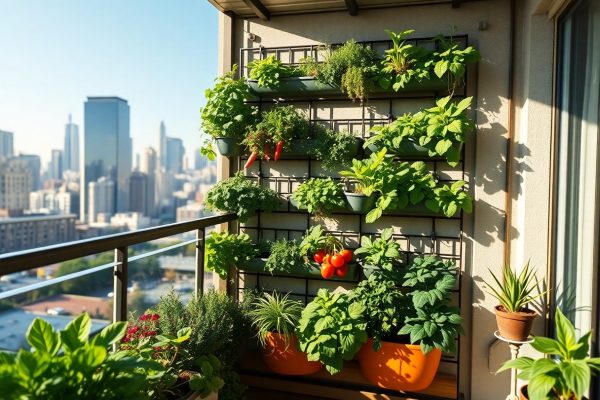
By prioritising natural connections within urban settings, biophilic design enhances your well-being on multiple levels. Incorporating elements like living walls, indoor plants, and natural light allows you to experience nature’s calming effects, leading to increased relaxation and reduced fatigue. Moreover, these features foster physical health by encouraging movement and outdoor activities. Over time, you may notice that environments rich in biophilic elements are not only visually pleasing but also cultivate a profound sense of connection and belonging.

Case Studies: Successful Hybrid Implementations
Numerous projects around the world exemplify the successful integration of indoor and outdoor hybrid spaces, showcasing the potential of such designs to foster well-being and sustainability. By examining these case studies, you can gain insights into best practices and measurable outcomes.
- The Eden Project, UK: Features biomes housing diverse ecosystems, attracting over 1 million visitors annually and significantly boosting local tourism.
- Bullitt Center, USA: Noted for its sustainable design, achieving a net-zero energy status and reducing carbon footprint by 83% over conventional buildings.
- One Central Park, Australia: Incorporates vertical gardens that contribute to a 30% decrease in energy usage and improved air quality.
- Parkroyal on Pickering, Singapore: Green sky gardens cover 15,000 square metres, enhancing biodiversity and reducing heat island effects in urban settings.
For further details, explore the Best Examples of Biophilic Buildings in Commercial Real Estate.
Residential Examples
In residential settings, developments like the Bosco Verticale in Milan, which boasts over 9,000 trees, demonstrate how biophilic elements can create personal green sanctuaries while promoting urban biodiversity. The integration of nature not only enhances aesthetics but also leads to healthier living conditions for residents.
Commercial Spaces
Commercial hybrid spaces, like the Amazon Spheres in Seattle, combine work environments with lush greenery, creating tranquil spaces for employees. Such designs promote employee well-being and can increase productivity while reducing stress.
Exploring further, the Amazon Spheres exemplify how incorporating thousands of plants in a commercial setting can lead to a 25% increase in employee satisfaction. Additionally, businesses increasingly recognise that fostering a connection to nature can enhance creativity and collaboration among staff, ultimately benefiting the bottom line.
Challenges in Creating Hybrid Environments
Creating hybrid environments presents multiple challenges that require careful consideration to ensure successful integration of natural elements within urban settings. From environmental concerns to the physical constraints of urban spaces, each obstacle demands innovative solutions and a collaborative approach among architects, urban planners, and community stakeholders.
Environmental Considerations
Incorporating hybrid environments necessitates a thorough understanding of local ecosystems and how urban development impacts them. You’ll need to assess the biodiversity, water management, and air quality in your area to create sustainable designs that do not adversely affect the environment.
Urban Space Limitations
Urban spaces are often constrained by existing infrastructure and land use regulations, making it challenging to allocate areas for nature. You must navigate the complexities of zoning laws, land ownership, and existing development when attempting to incorporate green elements.
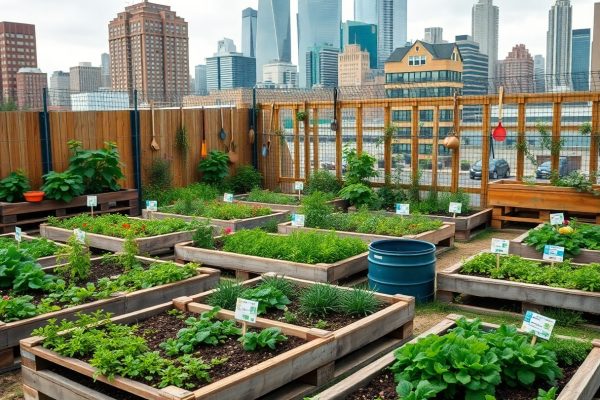
Urban space limitations also involve competing demands for land use, such as housing, commercial developments, and public amenities. These pressures often result in prioritising short-term economic benefits over long-term ecological sustainability. For instance, in densely populated cities, even small green spaces are frequently earmarked for new residential or commercial ventures, leaving little room for nature. You may find that balance becomes crucial, requiring creative design solutions like vertical gardens or rooftop parks to maximise green integration without compromising urban functionality. Achieving harmony between urban growth and ecological restoration can be a significant effort, necessitating collaboration across sectors to envision a greener urban future.
Future Trends in Indoor-Outdoor Design
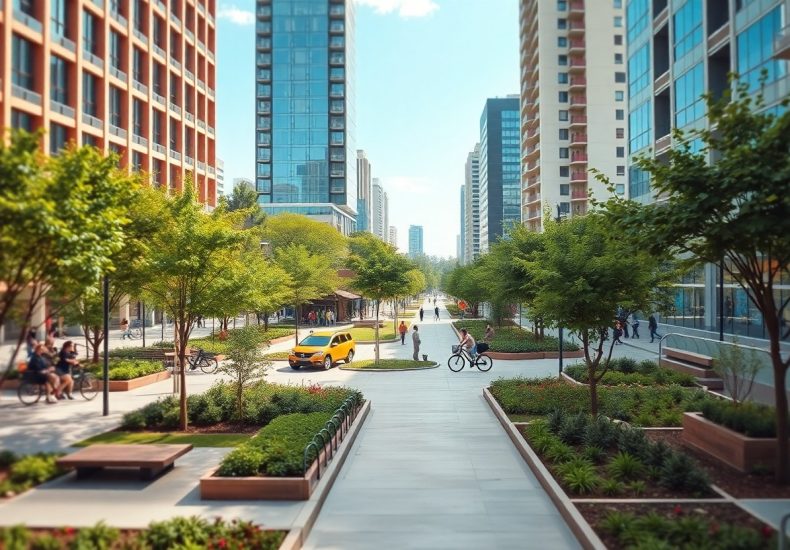
As urban landscapes evolve, the fusion of indoor and outdoor spaces continues to rise in popularity, driven by a desire for harmony with nature. Future trends point towards adaptable spaces that respond to seasonal changes, enabling you to enjoy the benefits of both environments seamlessly. Innovations in materials and design are set to transform urban living, breaking down barriers and promoting an overall healthier lifestyle.
Technological Innovations
Technological advancements are reshaping indoor-outdoor design, offering smart solutions that enhance user experience. You can now utilise automated systems for climate control, integrating them with natural ventilation to maintain optimal comfort levels. Innovations like green roofs and living walls utilise sensors to monitor plant health, while augmented reality apps allow you to visualise spaces before making modifications, blending the virtual with the natural world.
Sustainability Practices
Sustainable practices are becoming increasingly important in designing hybrid spaces, ensuring minimal environmental impact. You are encouraged to incorporate local, reclaimed materials into your designs, reducing the carbon footprint associated with transportation. Additionally, utilising features such as rainwater harvesting systems or green roofing not only promotes biodiversity but also aids in reducing energy costs and enhancing your space’s ecological resilience.
Sustainability in indoor-outdoor design encompasses a range of strategies aimed at creating eco-friendly environments. For instance, utilising energy-efficient lighting and appliances can dramatically lower energy consumption. You might consider installing permeable paving materials that facilitate water drainage, reducing the risk of flooding. Furthermore, designing spaces that prioritise native plant species can support local wildlife and conserve water, promoting a vibrant ecological balance while enhancing your living experience.
Summing up
Summing up, Indoor-Outdoor Hybrids seamlessly blend urban spaces with nature, creating environments that enhance your well-being and connection to the natural world. By incorporating elements like greenery, natural light, and open-air designs, you can transform your living and working spaces into revitalising sanctuaries. Embracing these concepts not only fosters a healthier lifestyle but also encourages community interaction and environmental awareness, enriching your experience in urban settings.
You may also like